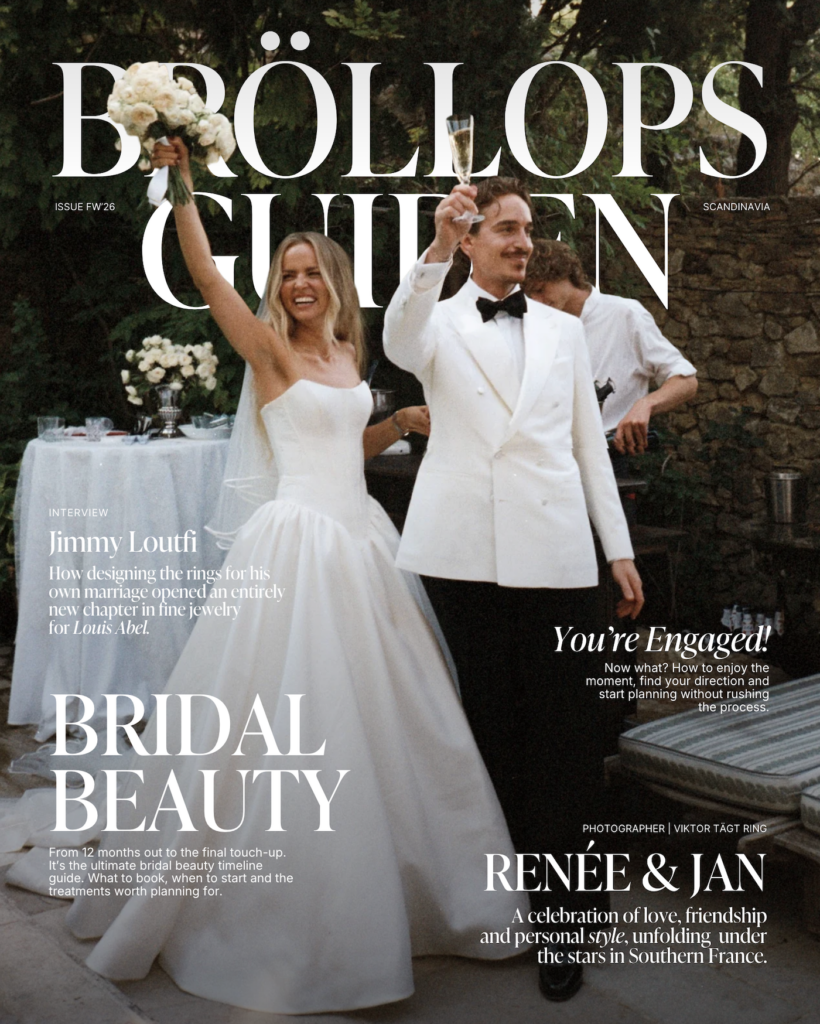
ISSUE FW’26
In our new FW’26 issue, we take you to the south of France and to Renée and Jan’s wedding, which was a celebration of love, friendship and style. We also sit down with Louis Abel founder Jimmy Loutfi for an in-depth interview about how his own wedding rings marked the start of a new chapter in fine jewellery, and look ahead to New York Bridal Fashion Week for the silhouettes, details and ideas that will set the tone for the coming season.
Wedding ceremony
The history of the wedding ring
The wedding ring is a symbol of love, and there is nothing so closely associated with weddings as the wedding ring itself.
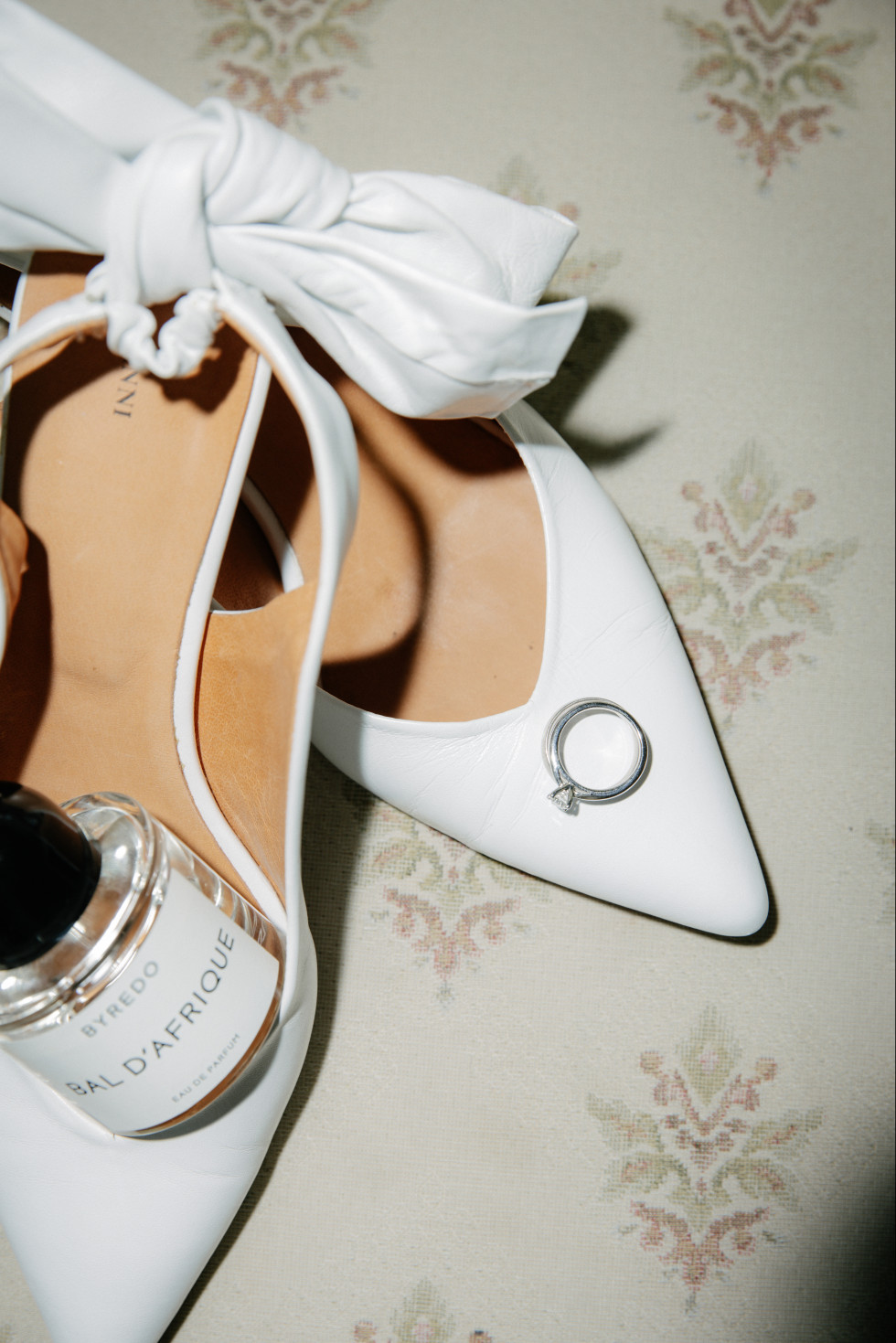


The wedding ring is a symbol of love
With its endless form, the wedding ring binds together and unites. Nothing is as strongly associated with marriage and weddings as the wedding ring itself. In a church wedding, the exchange of rings is part of the ceremony. Most people who have a civil ceremony also choose to wear a ring. The ring sits on the finger as a constant reminder of love and togetherness.
Smooth wedding ring
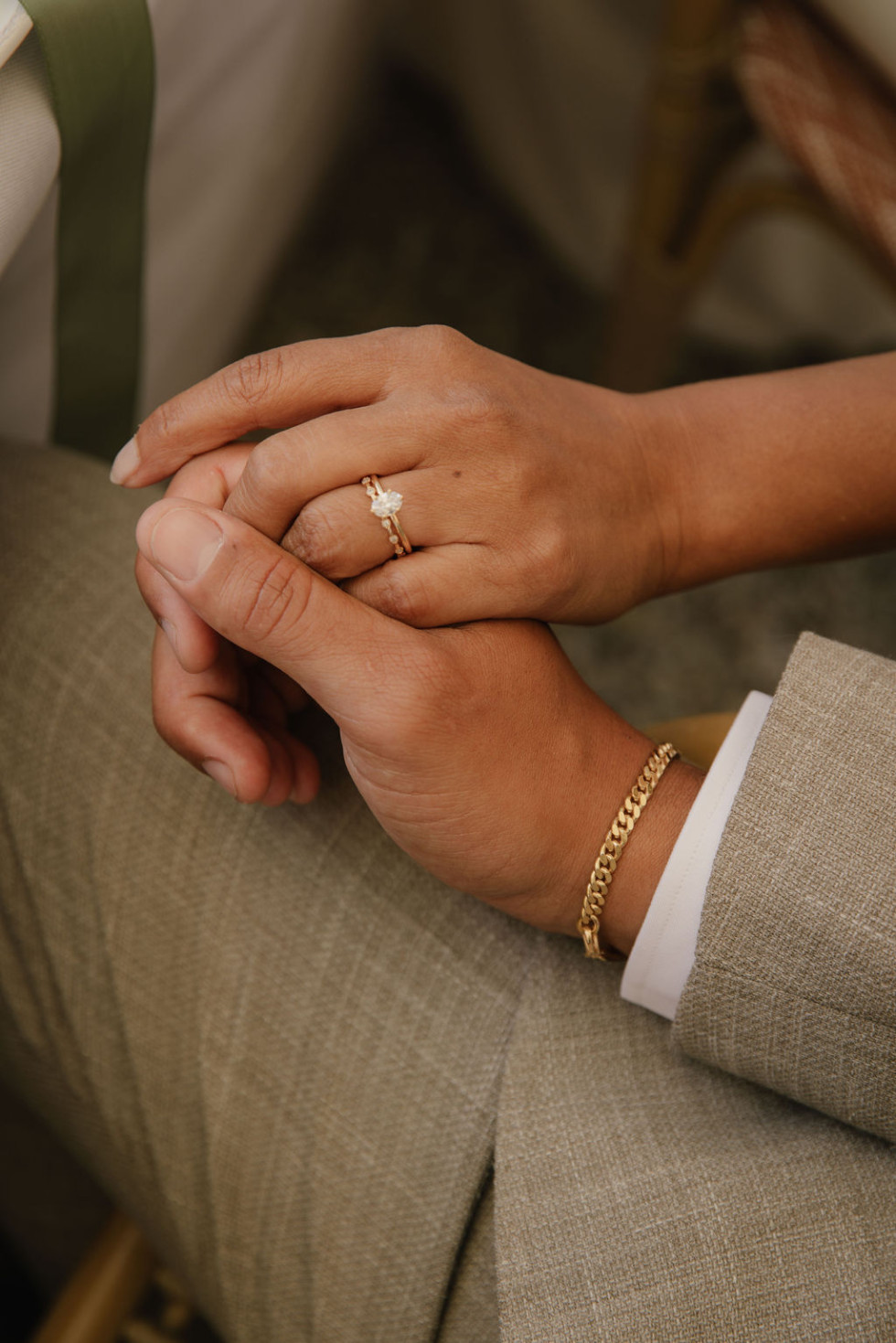
Today, the plain gold ring is the most common, but this has not always been the case. In earlier times, rings did not have a uniform shape; instead, they were often designed with motifs of the Madonna, handshakes and heart-shaped stone settings. The plain gold ring came into use when, in the early 1800s, women began to wear two rings. It was then that the custom was established of exchanging two plain gold rings at the engagement, with the groom subsequently presenting the bride with a (plain) gold ring at the wedding. This is quite unique to Sweden.
The history of the ring
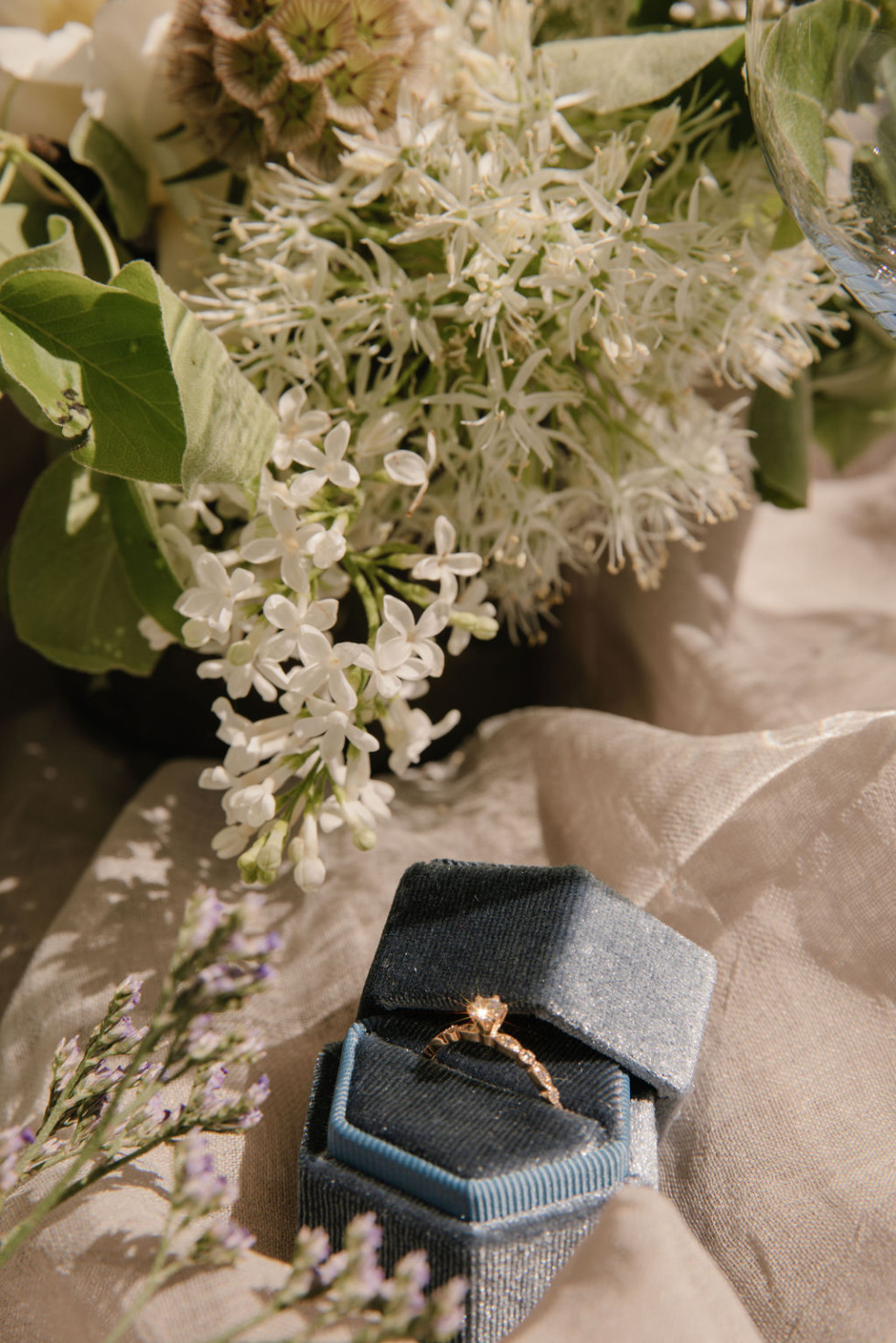
The tradition of wearing wedding rings has its origins in Roman law, where the ring was used as a confirmation of agreements entered into. In the Church of Sweden’s current marriage ceremony, the ring has the same significance. Since the 16th century, we have worn the engagement and wedding rings on the ring finger of the left hand. This is probably due to the belief in ancient Egypt that the so-called ‘vein of love’ (vena amoris) ran directly to the heart from the fingertip of the fourth finger of the left hand.
After the 1930s, new designs such as eternity rings set with brilliant-cut diamonds and precious stones along the band were introduced, following foreign trends. In the 1980s, they became really popular and remain so to this day. The eternity ring is here to stay in our country too.
Business directory
Do you need help finding suppliers for your wedding? Have a look at our business directory.
Related articles
-
 Wedding ceremony
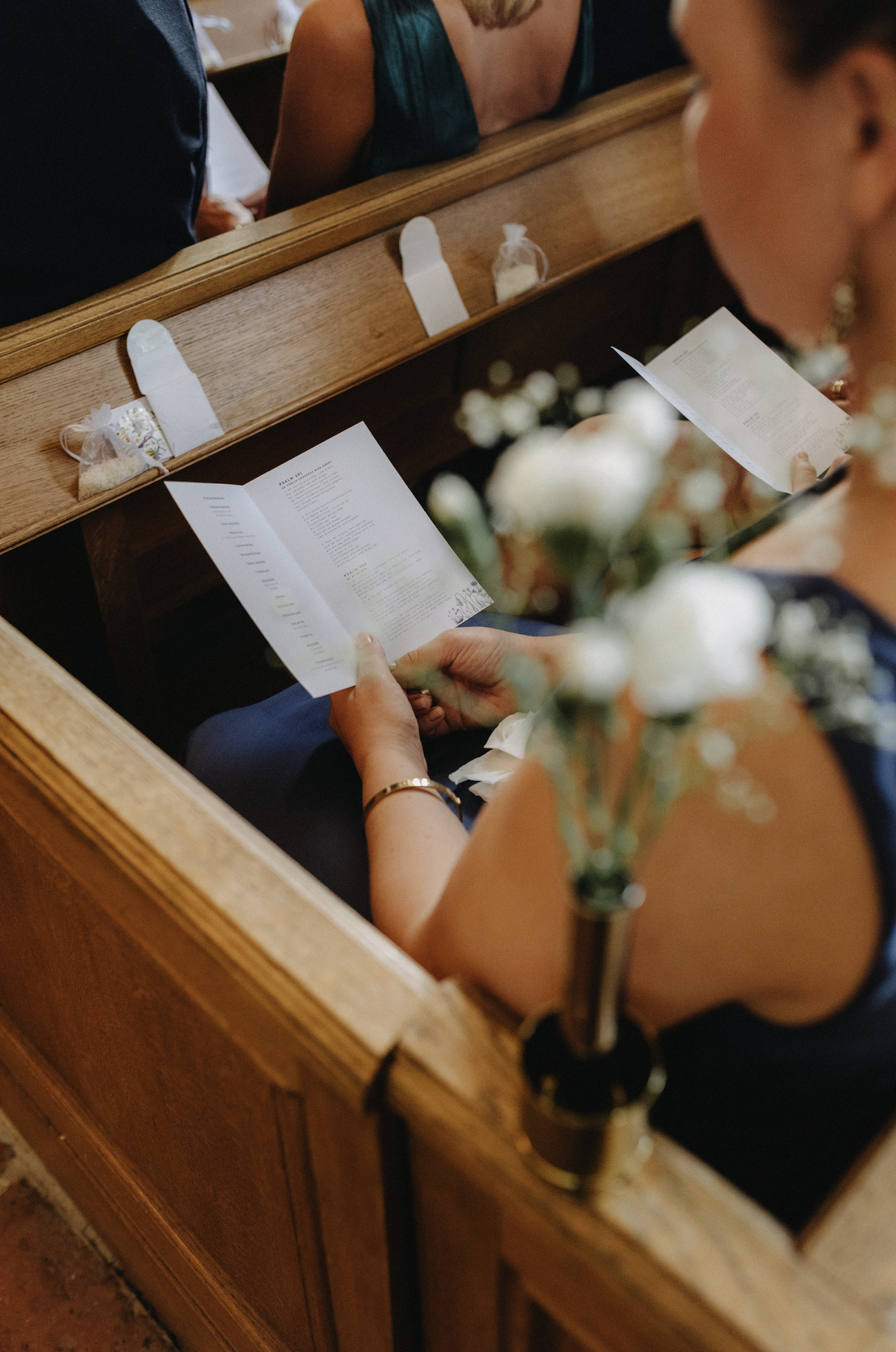
Hymns at weddings
Discover the best hymns for a church wedding. Get tips on how to choose the right hymns for your wedding and how to work with…
-
 Wedding ceremony
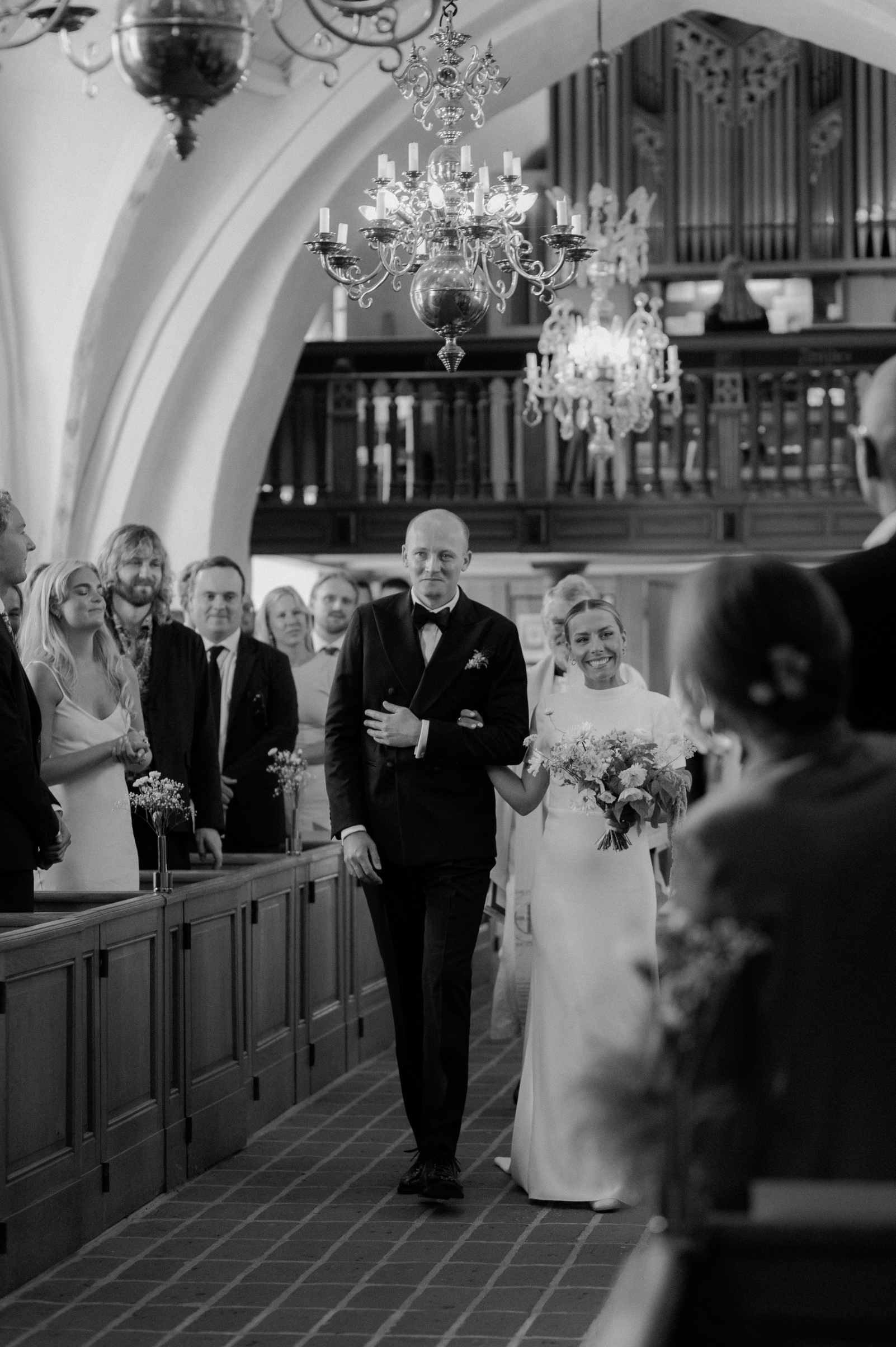
Everything you need to know about the wedding ceremony – a step-by-step guide
This is how a church wedding works – from the groomsmen to the flower girls and the bride and groom. Read about the traditional order…
-
 Wedding ceremony
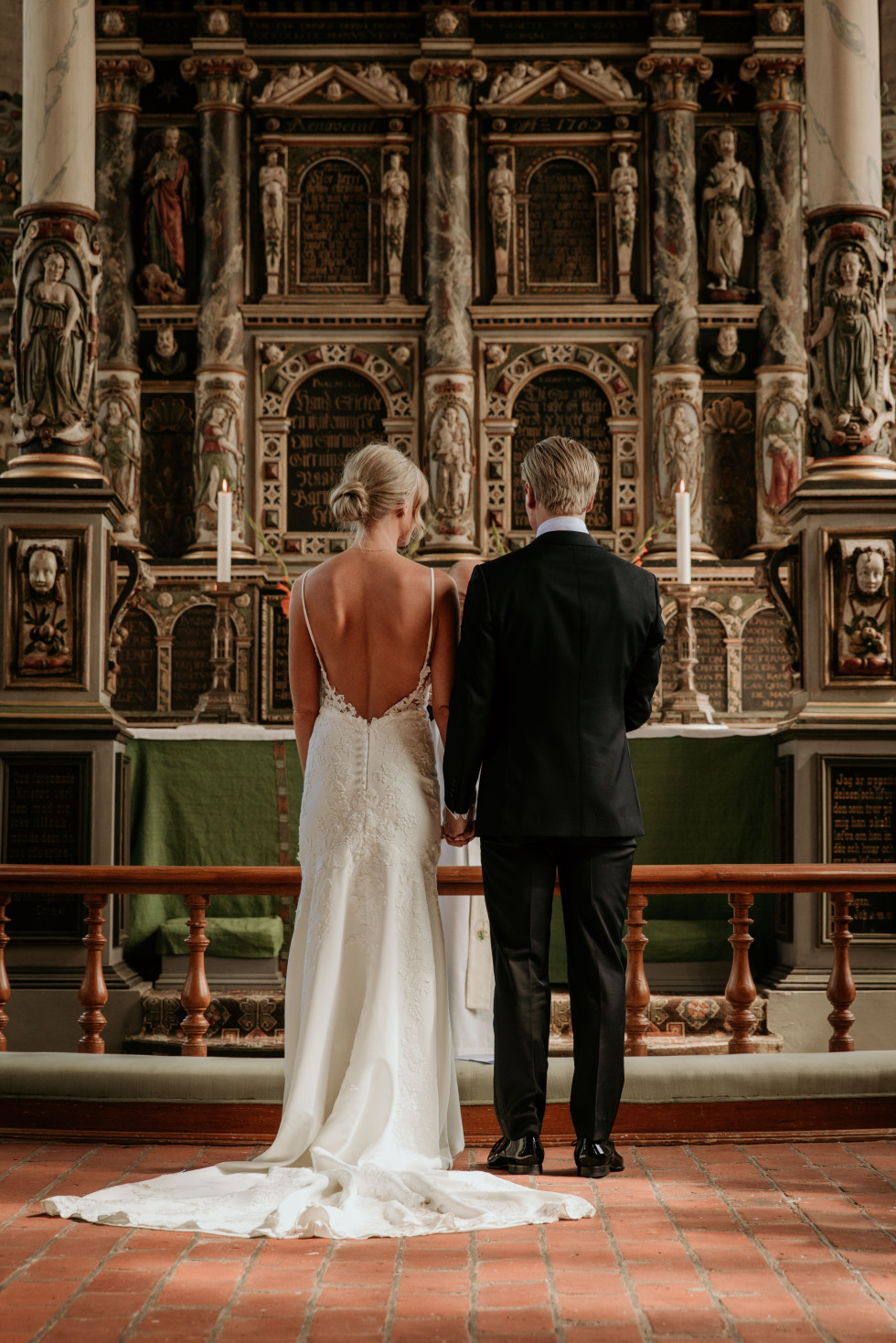
The Church of Sweden
What do you need to bear in mind before getting married in a church? In this article, we have interviewed the Church of Sweden in…
-
 Wedding ceremony
Getting married abroad – your complete guide and checklist
Getting married involves a fair bit of red tape and paperwork, in addition to the ceremony itself and any reception.
-
 Wedding ceremony
Poems for the wedding
Poems about love make for a beautiful and atmospheric addition to a wedding ceremony, whether it’s a church wedding or a civil ceremony. We’ve put…