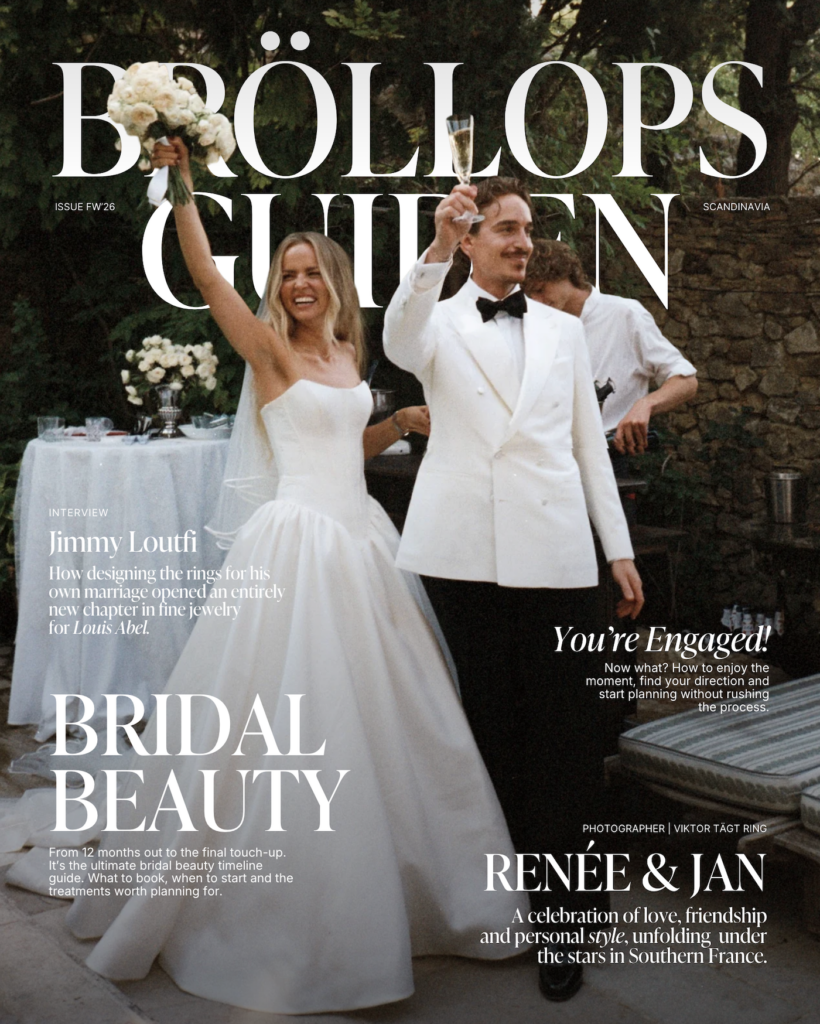
ISSUE FW’26
In our new FW’26 issue, we take you to the south of France and to Renée and Jan’s wedding, which was a celebration of love, friendship and style. We also sit down with Louis Abel founder Jimmy Loutfi for an in-depth interview about how his own wedding rings marked the start of a new chapter in fine jewellery, and look ahead to New York Bridal Fashion Week for the silhouettes, details and ideas that will set the tone for the coming season.
Guests
Wedding hosts
At a traditional wedding, the hosts are the people who have sent out the invitations, or, if you like, the people who are paying for the reception.



Hosts / host couple
At a traditional wedding, the hosts are the people who issue the invitations, or, if you like, those who pay for the celebration.
In the past, it was usually the bride’s parents; nowadays, it is more common for both sets of parents to contribute to the cost, and sometimes the bride and groom do too. Or the bride and groom may cover the costs entirely themselves.
Those who issue the invitations (and pay) are also primarily responsible for all the arrangements and for ensuring the wedding is a success. It’s important to create a good atmosphere and make sure all the guests are comfortable. Everything must be just right – from the invitation cards to the ‘parting gift’ as guests leave.
Naturally, the guests play their part as directed by the hosts; they should follow the rules laid down, not make up their own.
At weddings, one adheres to the customary rules of etiquette that apply to other parties and celebrations. One example is that the host should give the welcome speech at the wedding dinner.

Even if the parents are the hosts, this does not mean that they alone decide how the wedding is to be organised or what it should include. It is always the bride and groom who are in charge of their own wedding day. When the parents are helping to pay for the wedding, it is customary to plan the wedding in consultation with them.
If the bride and groom are paying for the wedding themselves and are the sole hosts, or if it is a large wedding with many guests, it may be advisable to ‘hand over’ the hosting duties to one or more close friends (known as ‘co-hosts’) well in advance. They will help with all the details and practical arrangements. That person or those people can then also give the welcome speech on behalf of the bride and groom and mention this fact in their speech (though the bride and groom may also deliver the welcome speech themselves. If the bride and groom have one or more ‘co-hosts’ – which makes things easier – they still bear the responsibility themselves, as they are the actual hosts!)
Related articles
-
 Guests
Groomsman
A groomsman is the male counterpart to the bridesmaids. The groom’s escort used to be known as the ‘brudsvenner’; they were five friends or relatives…
-
 Guests
Wedding guests
Wedding guests. As a guest at a wedding reception, the basic rule is that the hosts are in charge of the proceedings and that you…
-
 Guests
Flower girls at a wedding
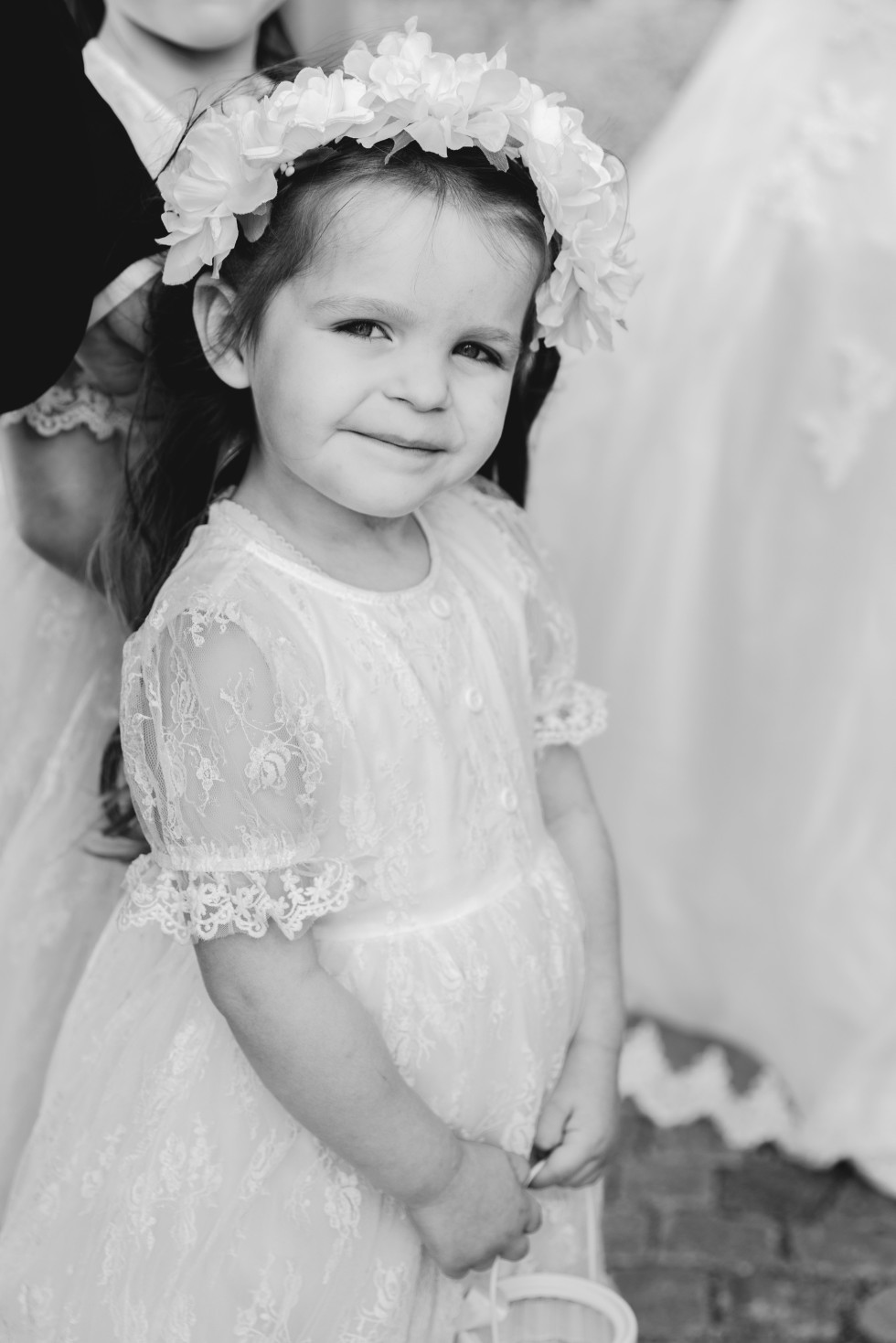
Flower girls at a wedding. Flower girls are usually two or more smartly dressed children, aged 4–8, who walk ahead of the bride and groom…
-
 Guests
The Art of Public Speaking
A wedding is a day of joy, but also a day filled with nerves. Perhaps especially for those who are due to give a speech.
-
 Guests
Toast: Tableware range
Explore our toastmaster’s guide, which contains everything you need to know to ensure your wedding or party runs smoothly. Get tips on the order of…