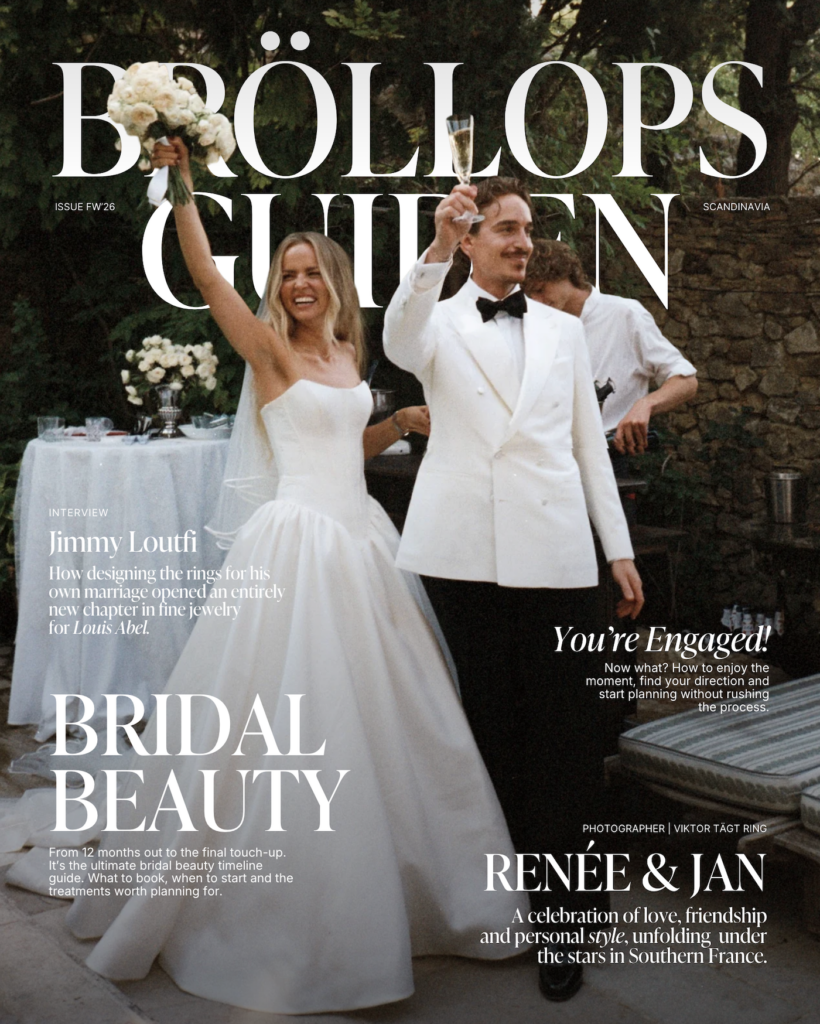
ISSUE FW’26
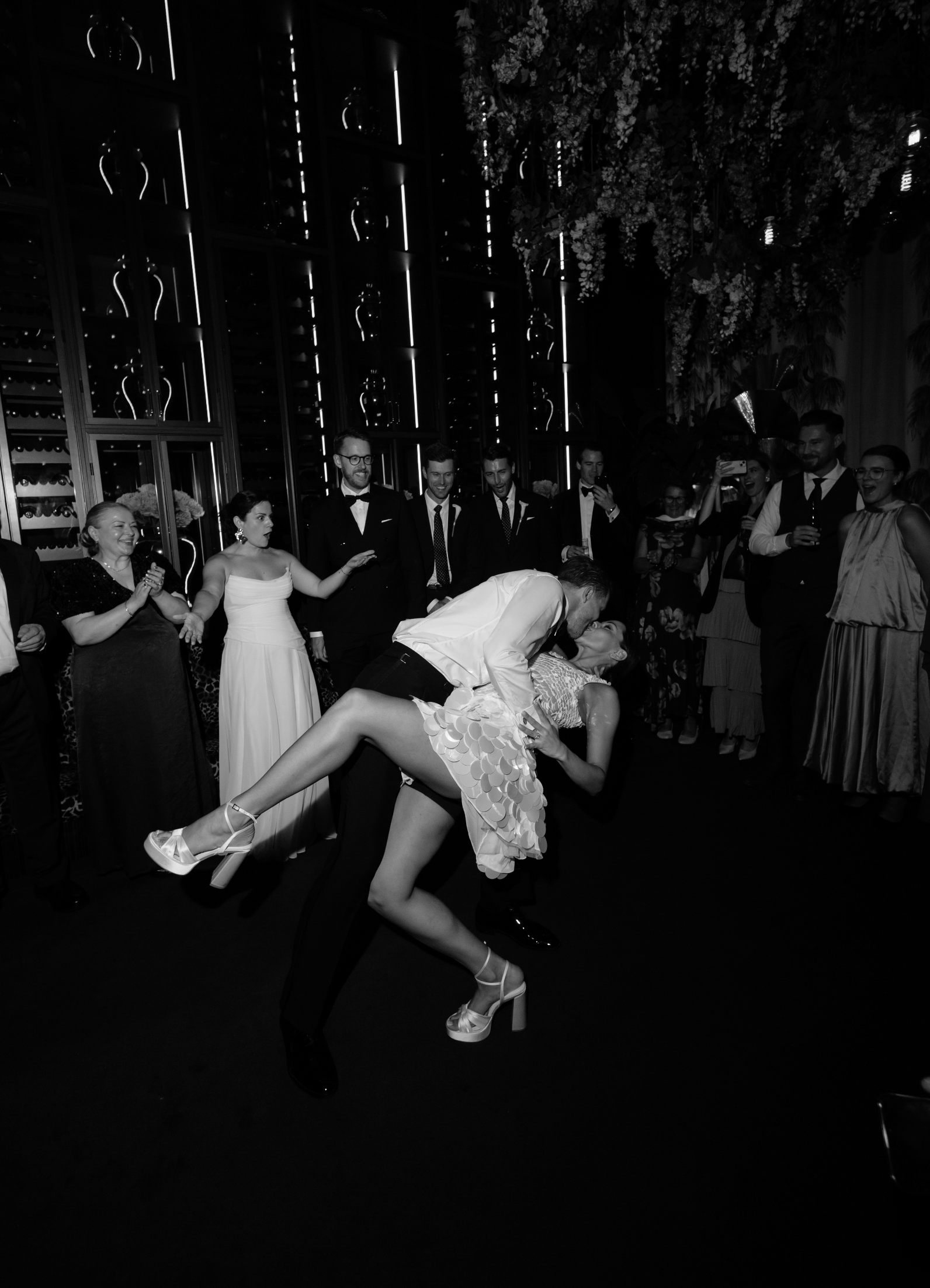
In our new FW’26 issue, we take you to the south of France and to Renée and Jan’s wedding, which was a celebration of love, friendship and style. We also sit down with Louis Abel founder Jimmy Loutfi for an in-depth interview about how his own wedding rings marked the start of a new chapter in fine jewellery, and look ahead to New York Bridal Fashion Week for the silhouettes, details and ideas that will set the tone for the coming season.
The Wedding Soundtrack
Wedding Songs – How to Choose the Right Songs and Musicians for Your Ceremony
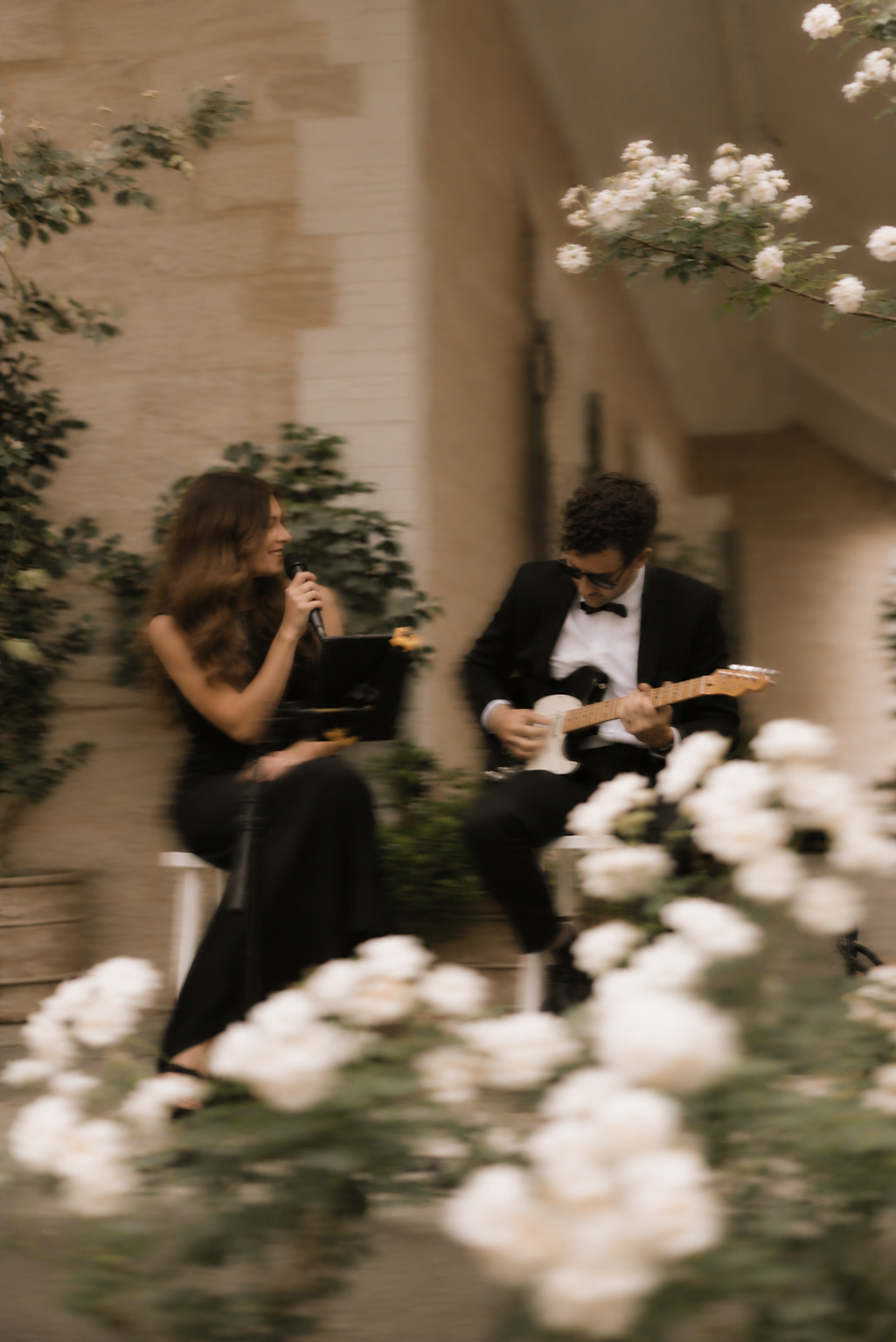


Choose music for the wedding processional, songs during the ceremony and the recessional, bearing in mind the venue and the ceremony. Here, we go through song choices, musicians and the practicalities of playback and sound.
Whether the ceremony is held in a church, a garden, by the sea or in a venue close to the city, singing and live music are among the most effective ways to create a memorable atmosphere.
Choosing pieces for the different parts of the ceremony
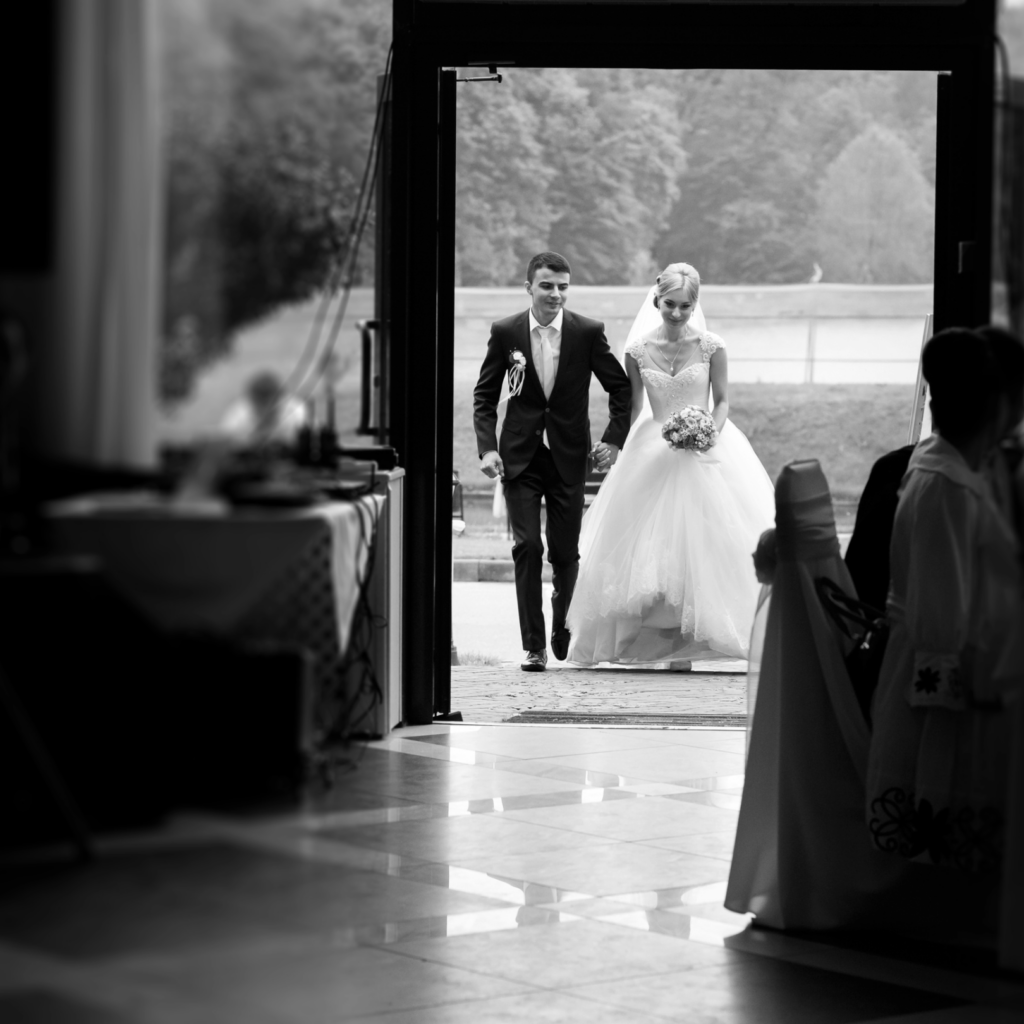
A traditional wedding ceremony usually includes three to four musical elements: the processional, one or two solo songs or hymns/congregational singing, and the recessional. The processional should be at a tempo that feels natural to walk to. A tempo that is too fast can create a sense of stress, whilst a tempo that is too slow makes the walking unsteady. The solo songs during the ceremony provide a moment for contemplation and reflection, with the lyrics often conveying a special message to the couple. The recessional marks the start of the celebrations and is often best when it is exuberant, energetic and joyful.
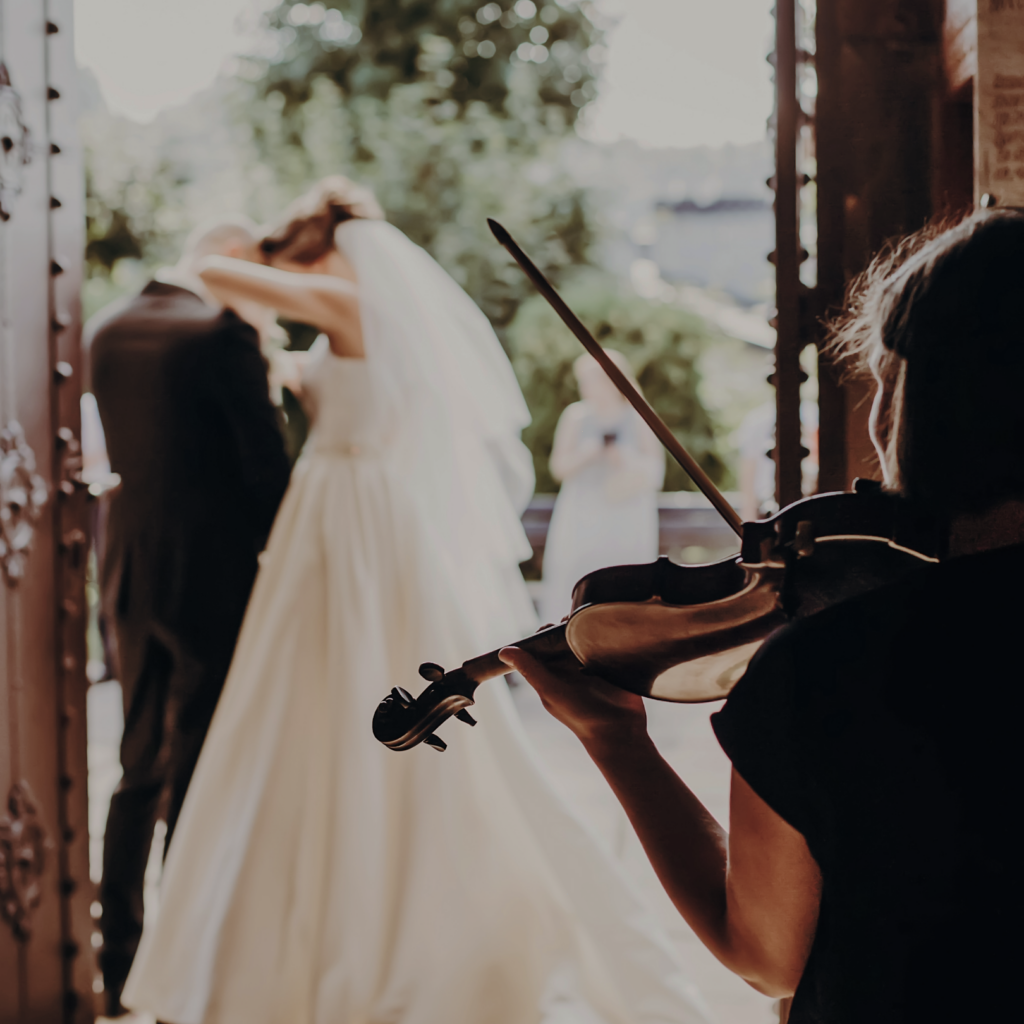
Live music vs. pre-recorded audio
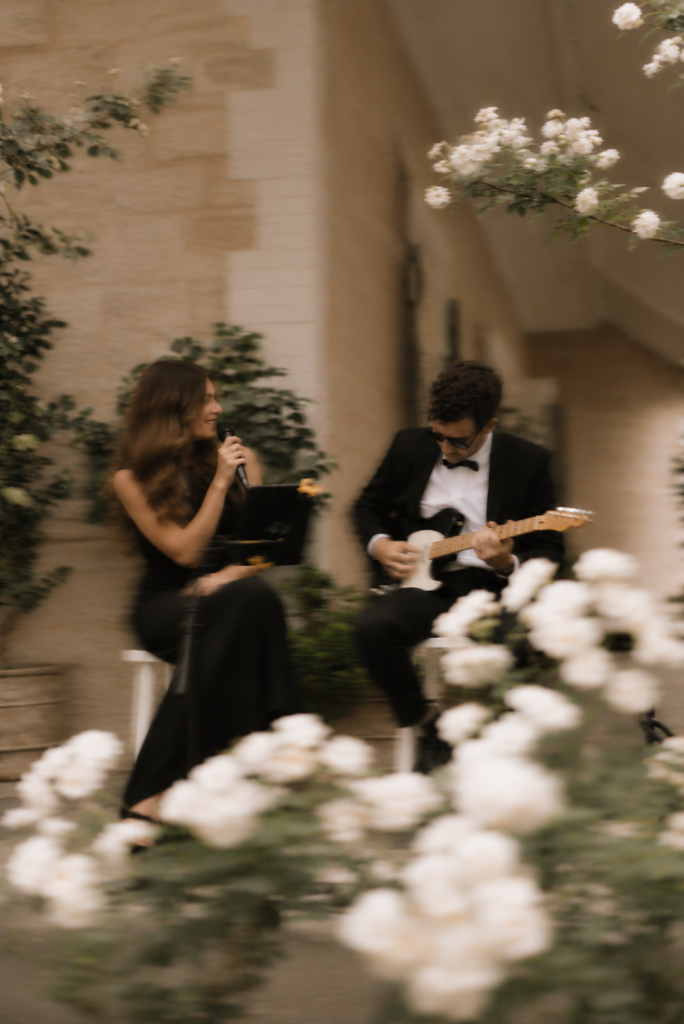
Acoustic soloist (guitar/piano & vocals): Creates an intimate atmosphere that is perfectly suited to both smaller venues and outdoor settings.
Classical ensembles (string quartet, wind players): Lend a grand, timeless and elegant character to the entire ceremony.
Pre-recorded music: A budget-friendly option, but requires a dedicated person to manage the playback to ensure there are no silences or technical glitches.
Timeline
10–12 months in advance: Book soloists, singers or instrumentalists for the wedding ceremony. If you’d like a highly sought-after wedding singer, book them as early as possible.
2–3 months beforehand: Plan the music and go through the exact song choices with the singer and the officiant or priest. Check that the songs are approved if the wedding is taking place within a religious community.
Budget & Cost Factors
Amateur/less experienced soloist: Ask for a quote based on performance time and preparation.
Professional freelance singer/musician: Ask for a quote specifying travel and rehearsal costs.
String quartet or small ensemble: Compare quotes for the same line-up and performance time.
Bear in mind that travel expenses, any accommodation costs and rehearsal time with, for example, a local organist may be added on top of the fee itself.
Things to bear in mind
Coordinate your choice of songs with the officiant and the musicians well in advance, particularly for a church wedding. Outdoors, wind, distance and background noise may make amplification necessary. Let the musicians or sound engineers assess the requirements on site and plan for mains or battery power and weather protection if the equipment requires it.