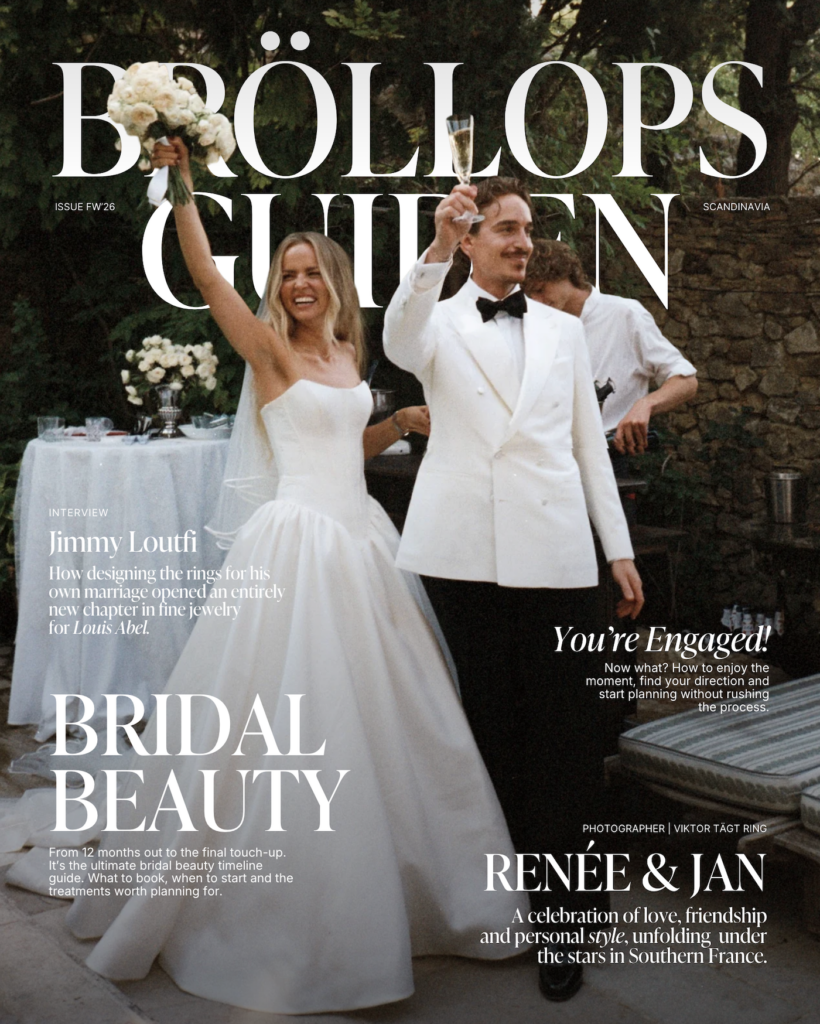
ISSUE FW’26
In our new FW’26 issue, we take you to the south of France and to Renée and Jan’s wedding, which was a celebration of love, friendship and style. We also sit down with Louis Abel founder Jimmy Loutfi for an in-depth interview about how his own wedding rings marked the start of a new chapter in fine jewellery, and look ahead to New York Bridal Fashion Week for the silhouettes, details and ideas that will set the tone for the coming season.
The Wedding Soundtrack
Wedding Music – How to Put Together the Perfect Plan
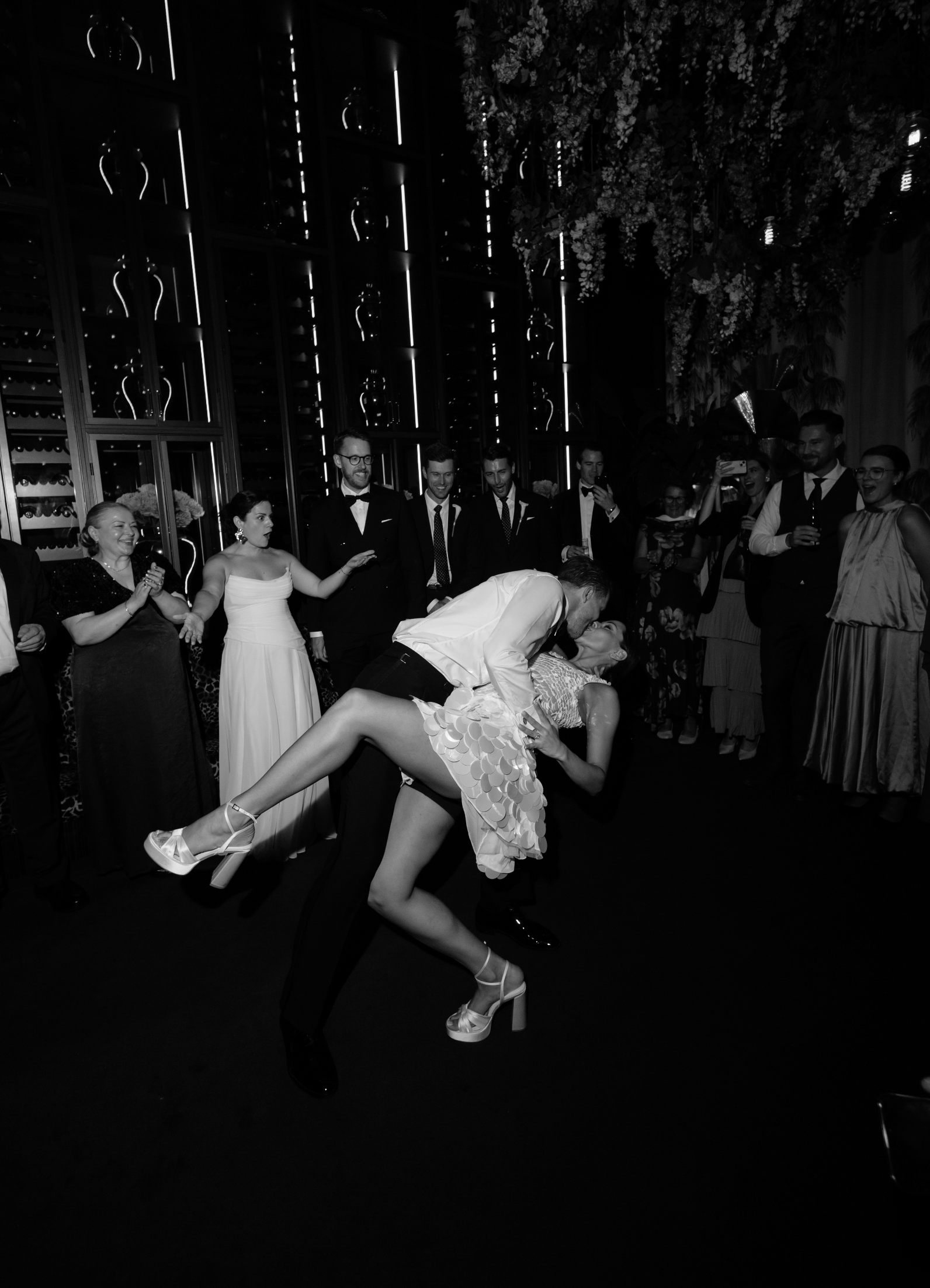


The music needs to work from the wedding ceremony right through to the final song on the dance floor. Here, you’ll plan the day’s various musical elements, allocate responsibilities and go through what affects the budget.
Start by deciding when the music should be played and who is responsible for it. A soloist during the wedding ceremony, a playlist for the dinner and a DJ for the evening party all need a coordinated schedule to ensure the right song starts at the right time.

Create a Cohesive Feel for the Day
When you start planning the wedding music, it helps to break the day down into five main stages: the ceremony, the drinks reception, dinner, the first dance and the evening party. Each part has its own character and requires its own specific musical backdrop.
During the ceremony, most people look for a more intimate, solemn or personal tone. The drinks reception needs background music that encourages conversation without being too loud. Dinner requires a flexible musical backdrop that can be adapted to suit your master of ceremonies (MC), whilst the party calls for high energy and a keen sense of what keeps the dance floor alive. By thinking of the music as a continuous soundtrack, you’ll avoid sudden silences or abrupt transitions.
Key Musical Moments to Plan
Wedding Ceremony: Processional, 1–2 solo pieces and recessional.
Drinks Reception & Toasts: Background music that sets a relaxed and elegant tone.
Dinner: Subdued background music, short musical cues for speakers and entrance songs.
First dance: A special song that represents the couple.
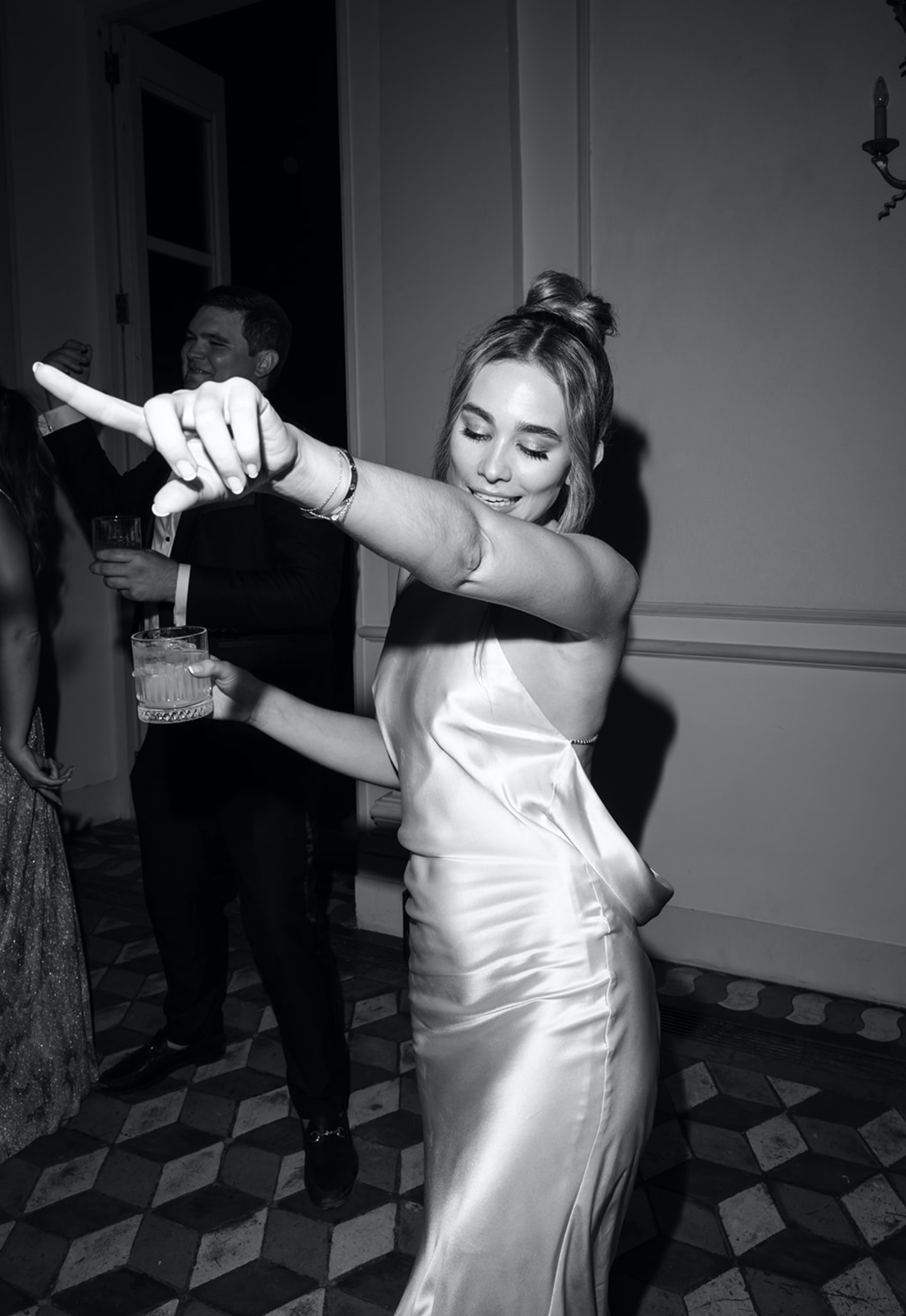
Party: A live band, DJ or a combination of both to build energy on the dance floor.
Timeline
10–12 months in advance: Develop the overall concept and decide what sort of entertainment you’d like for the party. Book the main acts (DJ, live band or soloists) well in advance, as the best performers get booked up early.
2–3 months beforehand: Plan the music in detail and finalise the schedule for the whole day. This is the time to go through all song choices, key moments and technical requirements with your chosen musicians.
Budget & Cost Factors
The cost of wedding music varies greatly depending on the format and scale.
- Digital playlists: Allow for the possible hire of sound equipment and someone to operate the system.
- Solo musicians/wedding performers: Ask for a quote that specifies performance time, rehearsals and travel.
- Professional DJ: Ask for a detailed quote and check whether sound, lighting and travel are included.
- Full-scale live band: Ask for a quote based on the number of musicians, performance time and the equipment required.
Remember that technical equipment (PA system, microphones, stage lighting) is often a separate item if it is not included in the artist’s booking or provided by the venue.
Things to bear in mind
One of the most common mistakes in music planning is forgetting the venue’s technical setup. Always check what the venue allows in terms of sound levels and decibel limits. If you have any outdoor elements (e.g. during the wedding ceremony or reception), there must be an approved power supply as well as weather protection for both musicians and sensitive equipment. Don’t forget to arrange food and drink for musicians and technicians who will be on site for several hours.
The Wedding Soundtrack
Songs for the wedding ceremony – How to choose the right songs and musicians.