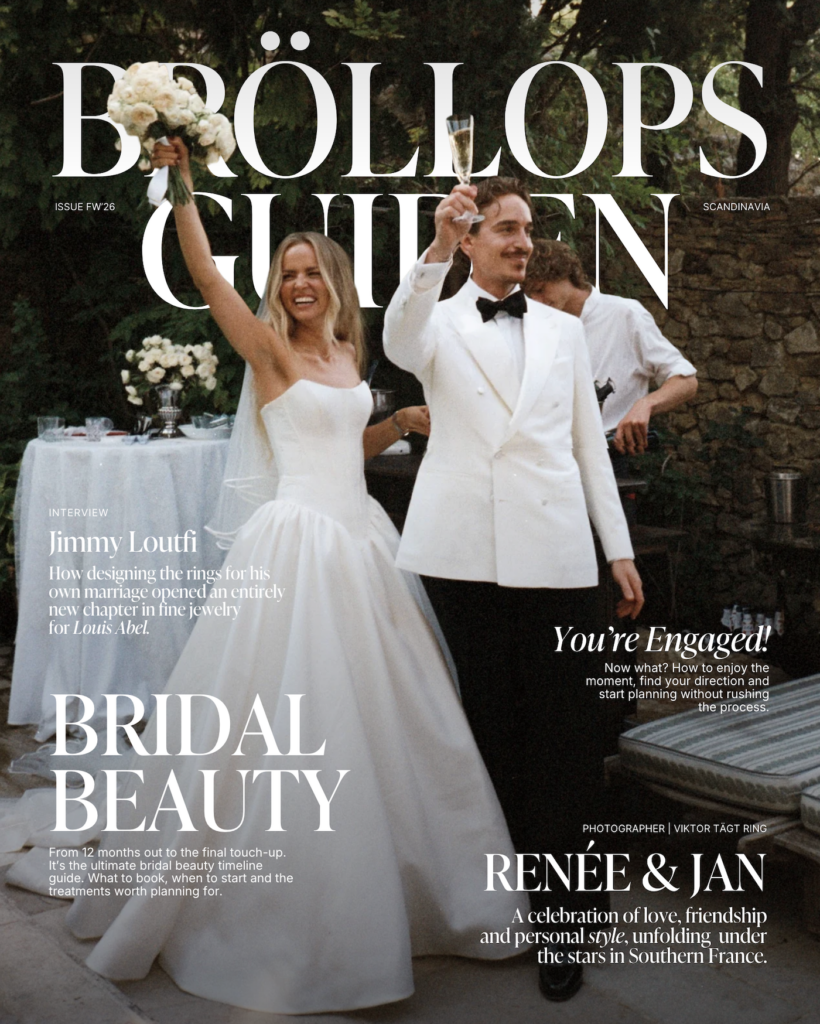
ISSUE FW’26
In our new FW’26 issue, we take you to the south of France and to Renée and Jan’s wedding, which was a celebration of love, friendship and style. We also sit down with Louis Abel founder Jimmy Loutfi for an in-depth interview about how his own wedding rings marked the start of a new chapter in fine jewellery, and look ahead to New York Bridal Fashion Week for the silhouettes, details and ideas that will set the tone for the coming season.
Wedding ceremony
The pre-wedding consultation
A pre-wedding meeting isn’t compulsory; you don’t have to meet before the wedding, but they are usually beneficial for both the bride and groom and the minister.



The pre-wedding meeting is not compulsory; there is nothing to say that you have to meet before the wedding, but I think that, in most cases, both the bride and groom and the vicar would like to do so. It is a time-honoured tradition dating back to the days when the church was responsible for the civil register. What I, Carl-Johan Lidén (priest), am writing here are my thoughts and reflections on the pre-wedding consultation and cannot be applied to all priests, as everyone does things differently, but these are my basic principles.
The first meeting
I try to meet the couple twice if possible, once in the church to practise a little on where to stand and how to walk. If possible, I try to ensure that the organist is also there to discuss the entrance and exit music, hymns and solo songs.
Second meeting
This meeting is very much about the practicalities, and I try to help the bride and groom feel at ease during the wedding service itself – so that it doesn’t feel awkward, but rather that we’ve gone through everything that’s going to happen and it all feels fine. The second meeting can take place in the church, but I find it more relaxed and pleasant to hold it at a different time and in a different place – if possible, at the couple’s home. This meeting can cover a wide range of topics and take many different forms, depending on the couple I’m working with.
Three parts of the conversation
Generally speaking, I try to include three main parts or themes in the conversation:
What their lives have been like so far, both together and separately. How long they’ve been together. This often turns into a discussion about how well they know each other.
What their lives are like now, and why they’re getting married. A conversation about what’s on their minds right now.
What does the future look like? What will you be doing in five years’ time? A conversation about children, fidelity and your thoughts on a life together.
These are my brief thoughts on the pre-wedding conversation; it’s not a template for how it should go, but rather an idea of what it might look like. My reason – or rather, one of the reasons – why I’m writing this is that I want, as far as possible, to get to know the couple I’m marrying. I also hope that the bride and groom learn something new about each other during the conversation.
Good luck, and here’s hoping for many fruitful conversations with your officiants!
Related articles
-
 Wedding ceremony
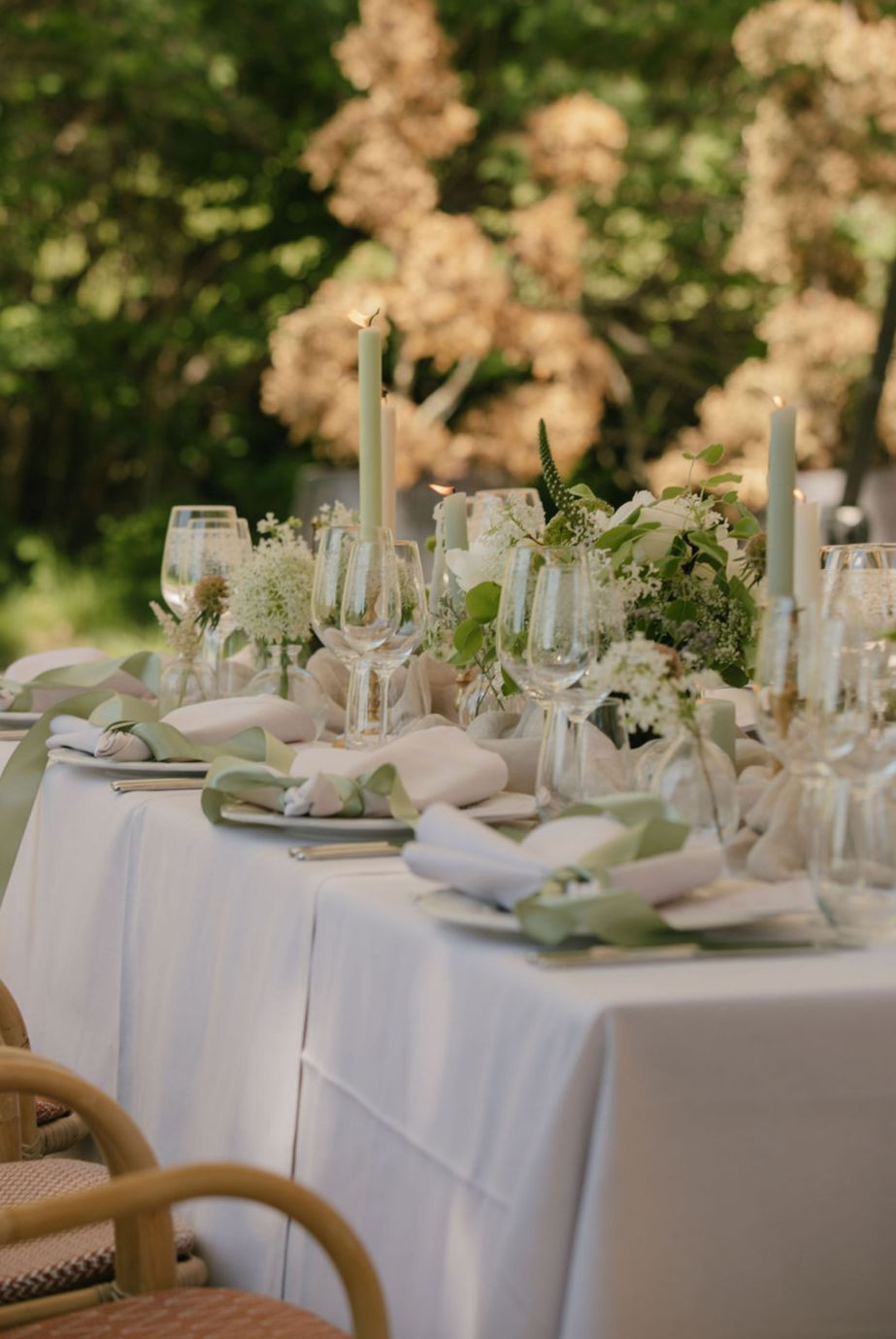
3 different weddings
-
 Wedding ceremony
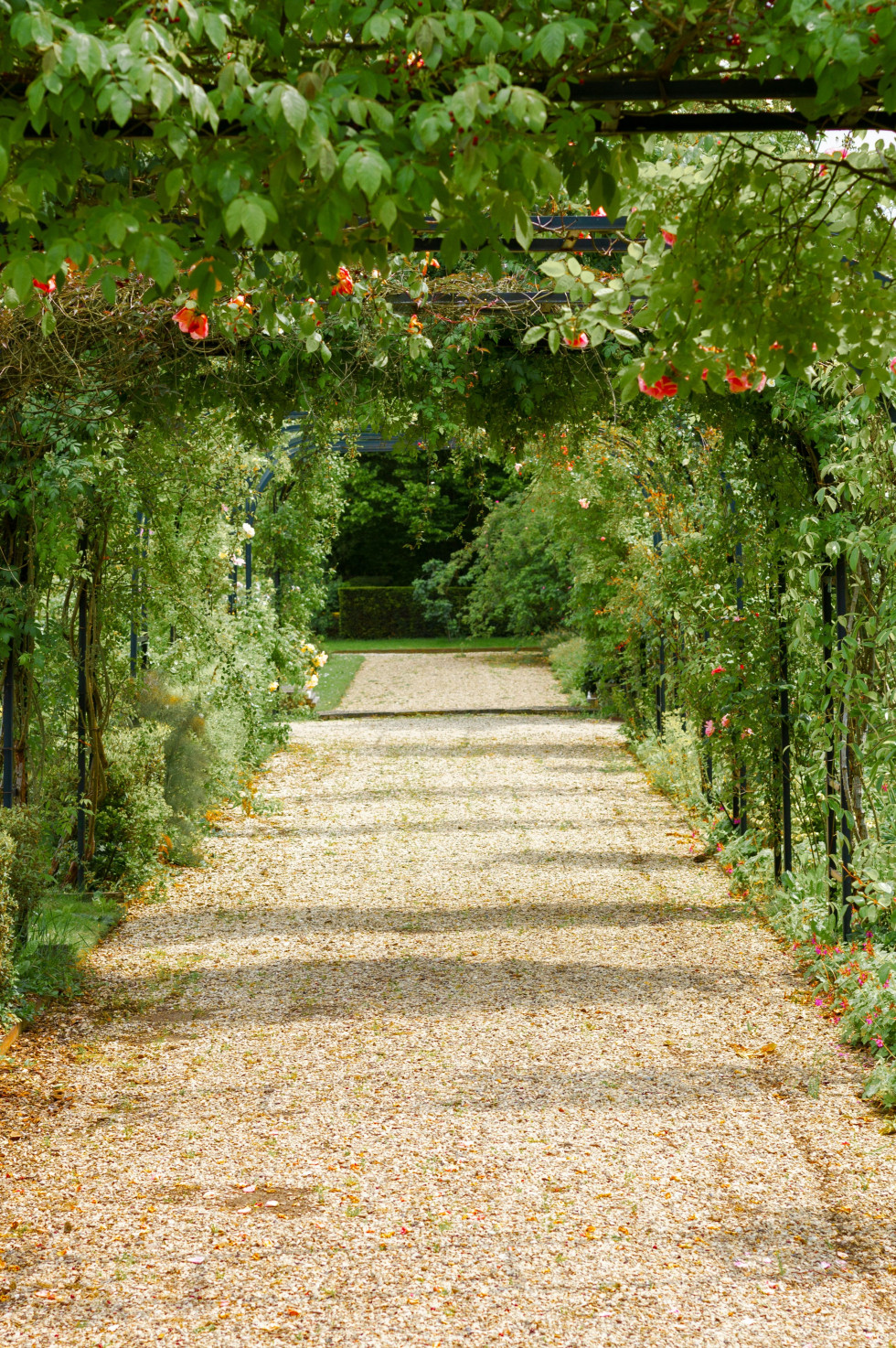
Garden weddings, tips
A garden wedding – if Leila Lindholm had her way. A personal and beautiful alternative to a church wedding is to say ‘I do’ in…
-
 Wedding ceremony
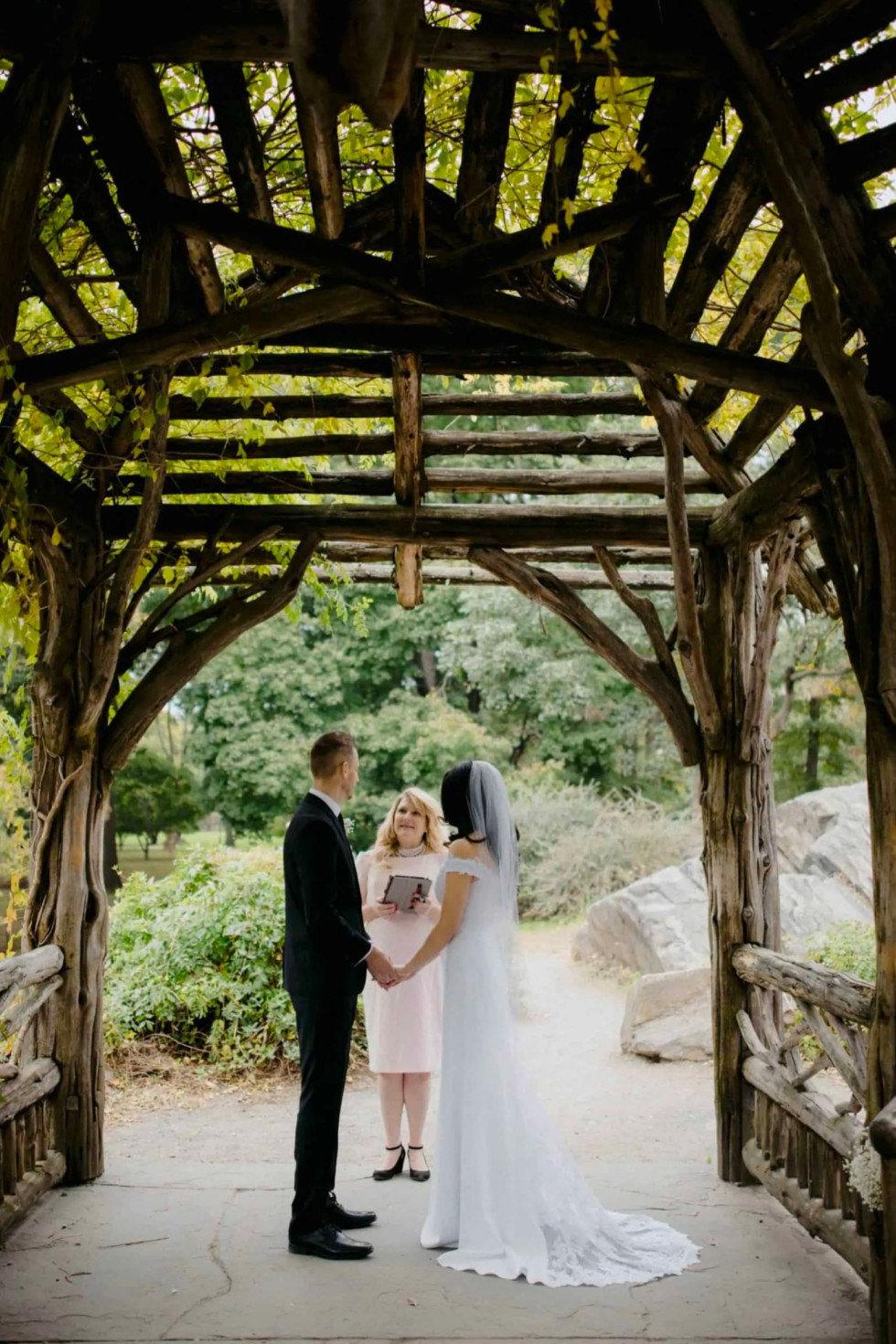
A wedding in New York
Would you like to get married in New York? Read about how Annika and Liam went about it when they had their wedding in Central…
-
 Wedding ceremony
Las Vegas drive-through
Therese Wallgren and Thomas Daun got married in 2012 at the legendary Little White Chapel. Britney Spears, Frank Sinatra, Judy Garland, Michael Jordan, Joan Collins…