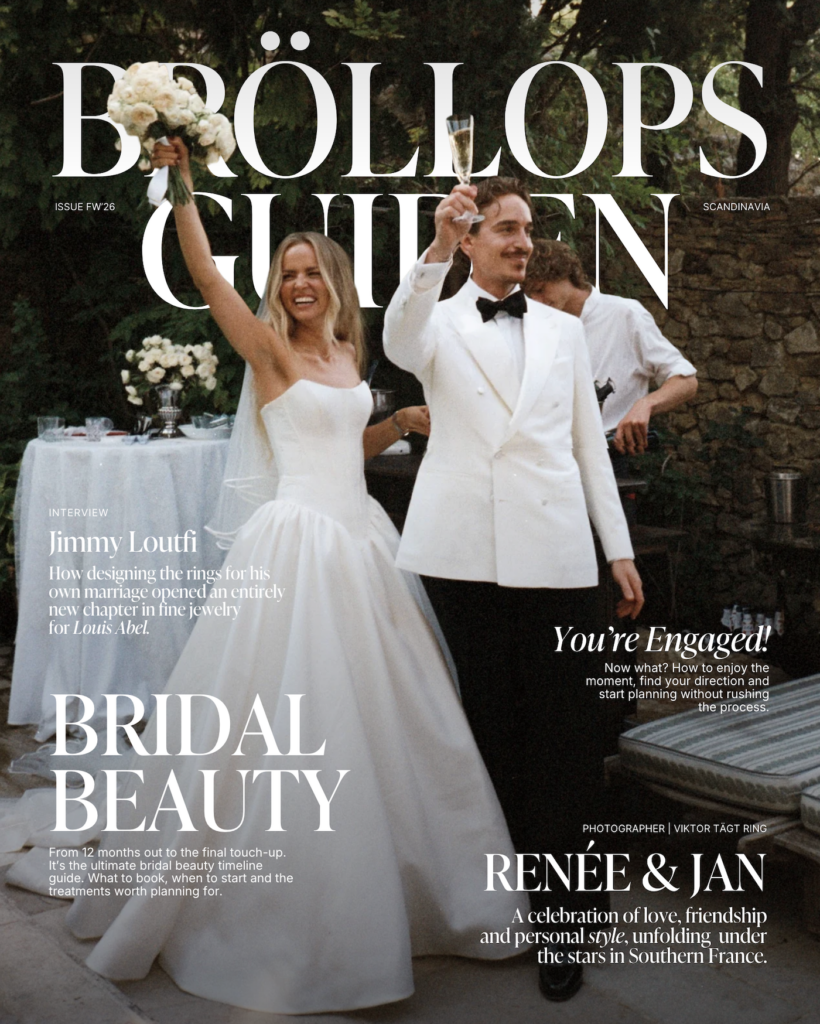
ISSUE FW’26
In our new FW’26 issue, we take you to the south of France and to Renée and Jan’s wedding, which was a celebration of love, friendship and style. We also sit down with Louis Abel founder Jimmy Loutfi for an in-depth interview about how his own wedding rings marked the start of a new chapter in fine jewellery, and look ahead to New York Bridal Fashion Week for the silhouettes, details and ideas that will set the tone for the coming season.
Wedding ceremony
Everything you need to know about the wedding ceremony – a step-by-step guide
This is how a church wedding works – from the groomsmen to the flower girls and the bride and groom. Read about the traditional order of the wedding procession in church.
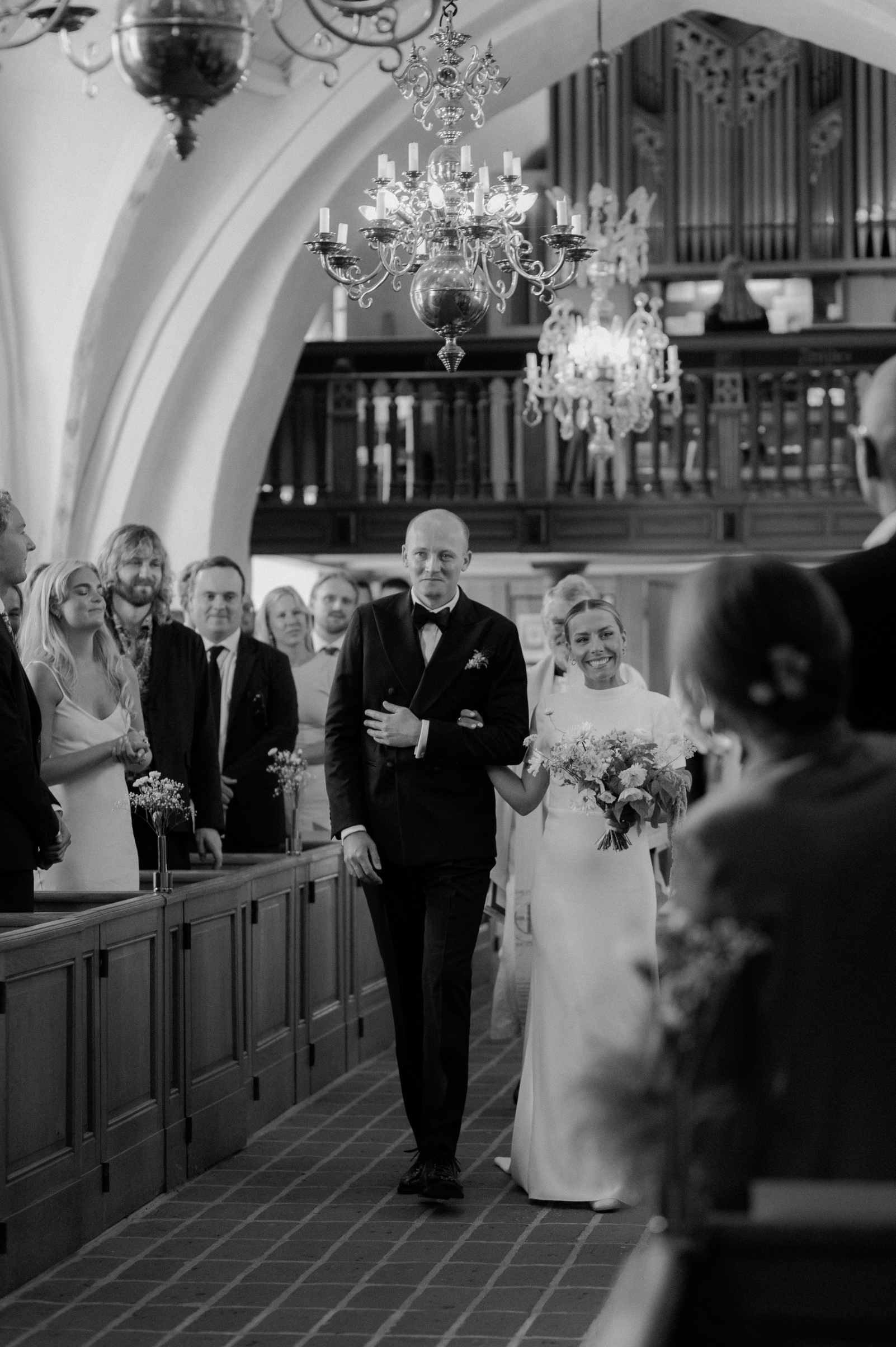


Planning the wedding ceremony is one of the most significant moments in wedding planning. At a traditional church wedding, the processional music begins and the vicar walks to the altar. The doors are then opened for the bride and groom, and the procession begins. Naturally, ceremonies vary depending on whether you have chosen a church or a civil ceremony, but here we describe, step by step, how a wedding ceremony usually unfolds.
Before the church wedding, the vicar and the bride and groom meet for a pre-wedding consultation, either in the church or at the couple’s home. During this meeting, the couple and the vicar plan the entire wedding: which readings will be given, will vows be exchanged, and who will do what? This is also an opportunity for the priest to get to know the couple better ahead of the wedding. Make the most of this chance to personalise the ceremony by, for example, writing your own vows to each other, singing a song or reading a poem. The important thing, however, is that you have the wedding you’ve always dreamed of. Some choose to forego traditional hymns for the processional and recessional marches, opting instead to play modern pieces of music – ranging from classical to rock. A tip is that live music creates more atmosphere than recorded music.
The church ushers lead the way, one on the right and one on the left in the centre aisle. One or two children, the flower girls, follow, and then the bride and groom, with the groom on the right and the bride on the left. Behind the bride walk the bridesmaids, and behind the groom the groomsmen. The bride and groom stop in front of the altar, and the wedding party forms a semicircle in the chancel.
In Sweden, it is traditional for the bride and groom to walk down the aisle together, symbolising that they have chosen each other and are walking towards the ceremony of their own free will and as equals. If the English custom of the father ‘giving away’ the bride is followed, the groom waits at the altar, and the bridesmaids and groomsmen accompany the bride and her father. The bride walks to the right of her father up the aisle, in accordance with English tradition.
Once the couple have been united, the father walks to the front and takes his seat in the first pew (to the left of the aisle) next to his wife. Any best man stands beside the groom. The bride’s family and friends sit to the left of the central aisle and the groom’s to the right (as seen from the church entrance).
The order of a church wedding ceremony
Opening words of the wedding ceremony
After the processional music and a hymn, the minister may begin with a prayer of praise, followed by the opening words:
In the presence of God, we are gathered here for the marriage of the two of you, NN and NN. We are here to ask for God’s blessing upon you and to share in your joy. Marriage is a gift from God, instituted for the stability of society, for the help and joy of people, for mutual support and a deeper sense of togetherness in times of both darkness and light. To live as husband and wife is to live in trust and love, to take responsibility for one another and for the home, (to welcome and bring up your children together) and to stand faithfully by one another’s side.”
Reading from the Bible
The minister (or a friend of the bride and groom) continues to read from the Bible:
“Jesus said: ‘From the beginning, the Creator made humankind male and female. Therefore a man shall leave his father and mother to be joined to his wife, and the two shall become one flesh. What God has joined together, let no one separate.’”
Reading from the Bible
The minister or a friend of the bride and groom then reads a passage from the Bible. The congregation then stands, and the minister asks the question first of the groom, then of the bride:
“Before God and in the presence of this congregation, I ask you, NN: Do you take NN to be your wife/husband and love her/him in good times and bad?”
Exchange of rings
Once both have answered ‘YES’ to the question, the bride and groom hand the rings to the officiant. The officiant turns towards the altar and says a prayer over the rings:
“God, you who are the Creator and Lord of all things, bless NN and NN in their marriage. May these rings be for them a sign of their vows of mutual love and fidelity. Through Jesus Christ, your Son our Lord.”
Vows between the bride and groom
The minister returns the rings. The bridal bouquet is now typically taken by the bridesmaid. The couple hold the rings together whilst they take turns to exchange their vows. The minister usually reads the text aloud; those who wish may adapt this part freely in consultation with the minister. The vows should express the couple’s commitment to love one another in good times and bad until death parts them. The wording in the handbook is as follows:
“I, NN, now take you, NN, to be my wife/my husband, to share joy and sorrow with you and to be faithful to you until death do us part.” Or the short version: “NN, I promise to love you, to share joy and sorrow with you, and to be faithful to you until death parts us.”
Words from the minister
The minister says:
“You have now entered into marriage with one another and confirmed this before God and this congregation. You are now husband and wife. May the Lord be with you and guide you in his truth, now and always.”
Recitation of a prayer
The congregation sits down. At this point, a psalm or, for example, a solo song may be included. This is followed by a prayer of intercession read by the minister or a friend. The most common prayer is the one found in the handbook:
“Heavenly Father, we thank you for this day, for its joy and hopes. We pray for the marriage that NN and NN have now entered into before you. May their life together be characterised by trust and respect for one another’s individuality. Help them to create an open and warm home, where (their children may live in safety and) their friends find fellowship. When difficulties arise, draw them closer to you and to one another. Help them to forgive one another and let them receive joy and strength from your hand, day by day. Through Jesus Christ, our Lord.”
Conclusion of the wedding ceremony
At this point, the bride and groom have knelt by the altar rail. The next part involves the recitation of the Lord’s Prayer and the blessing. The bride and groom remain kneeling. They then rise, and the bride is given back her bridal bouquet.
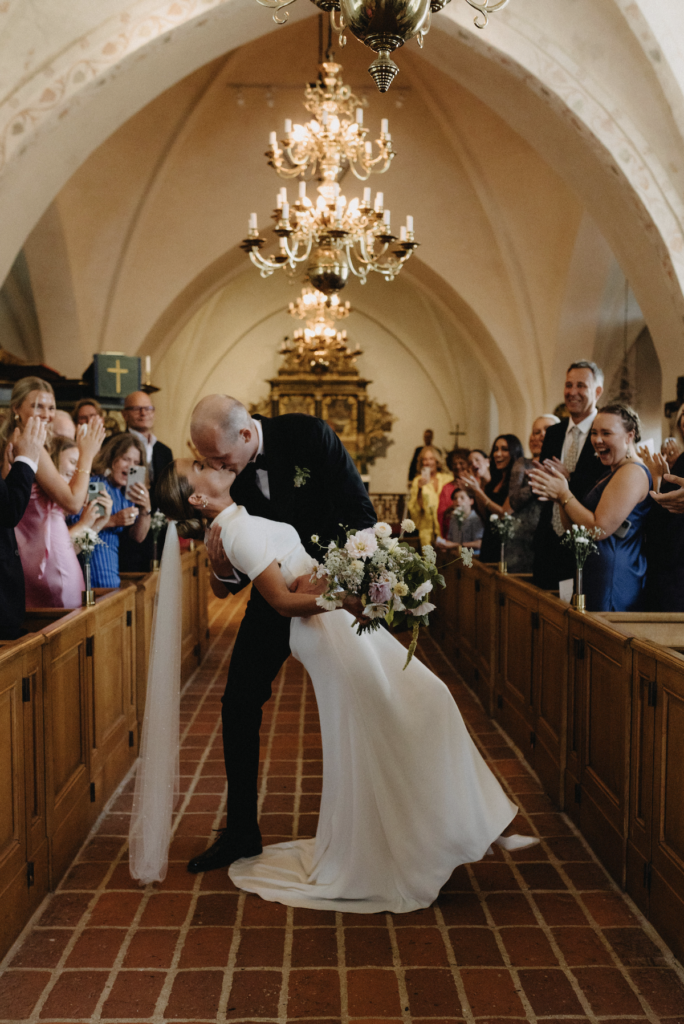
The wedding ceremony concludes with a hymn and, usually, a wedding sermon. The marriage certificate is presented during the wedding address. After the final hymn, there may be a solo or an additional piece of music. At this point, the bride and groom may turn towards each other and then turn completely round to face the congregation. During the recessional, the newlyweds and their wedding party process out of the church. The bride walks on the groom’s right-hand side, but remains on the left-hand side as they leave the church. Then there are congratulations on the church steps…
On 1 May 2009, new provisions were introduced into the Marriage Act, meaning that two people of the same sex can marry on the same terms as couples of different sexes. (The Registered Partnership Act has been repealed.)
Planning your wedding ceremony is about creating a memory to last a lifetime. Whether you follow traditions strictly or make your own adjustments, the aim is for your wedding ceremony to reflect your love.
LINK TIP: Find all churches on Kyrktorget.se
Related articles
-
 Wedding ceremony
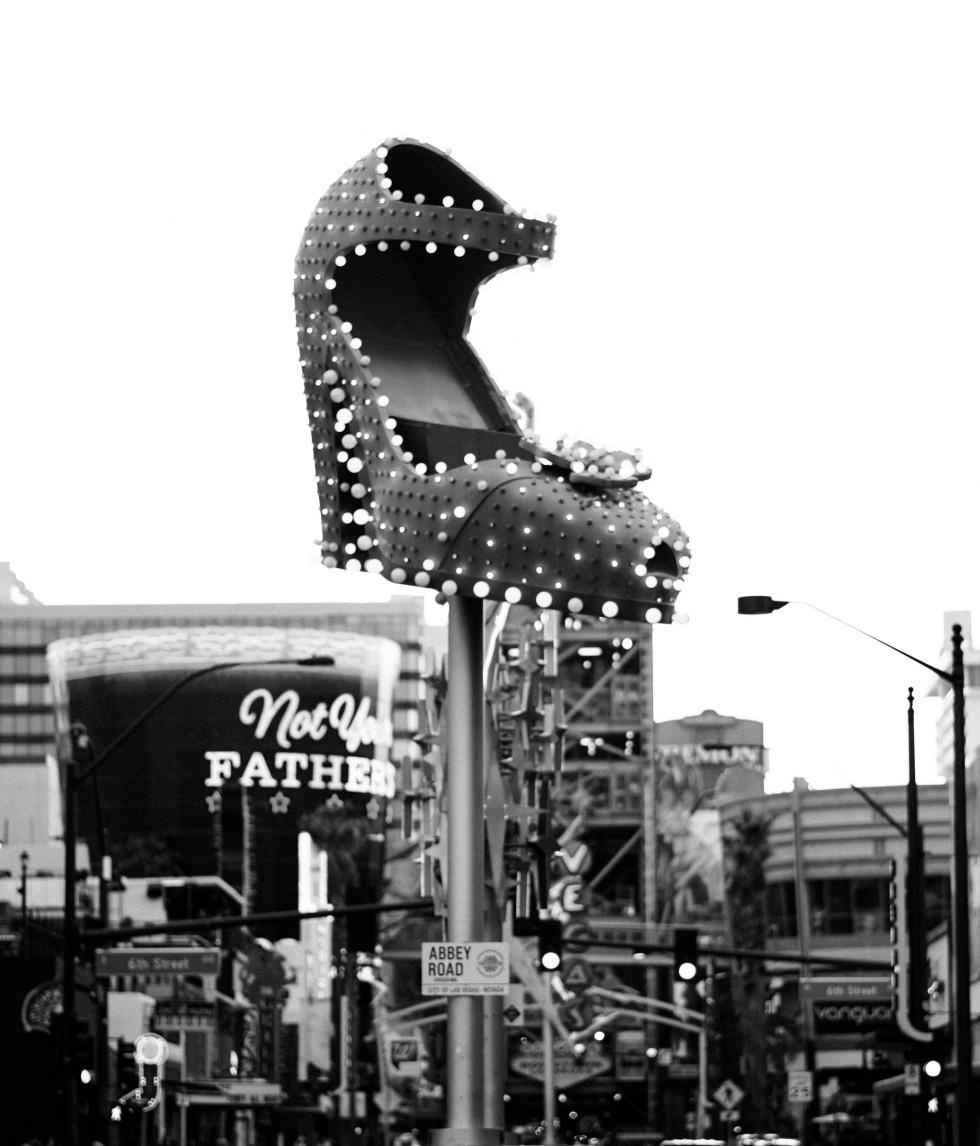
Las Vegas: The 7 best casinos for weddings
Las Vegas is world-famous for its gaming halls and casinos, but did you know that you can have your wedding right next to your favourite…
-
 Wedding ceremony
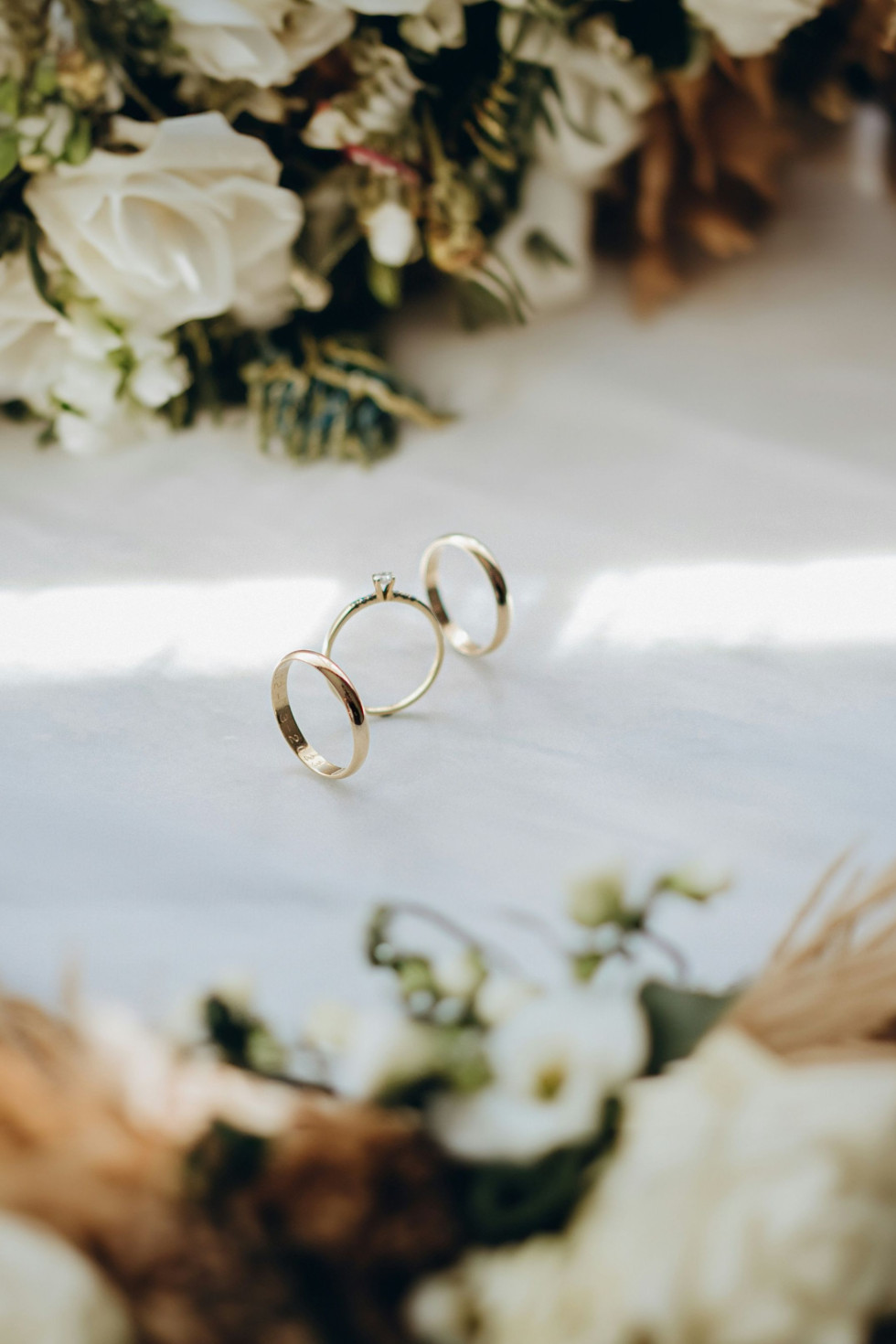
Engraving
Make your wedding rings unique by having a personal phrase in Latin or some beautiful words of love engraved on them, rather than just your…
-
 Wedding ceremony
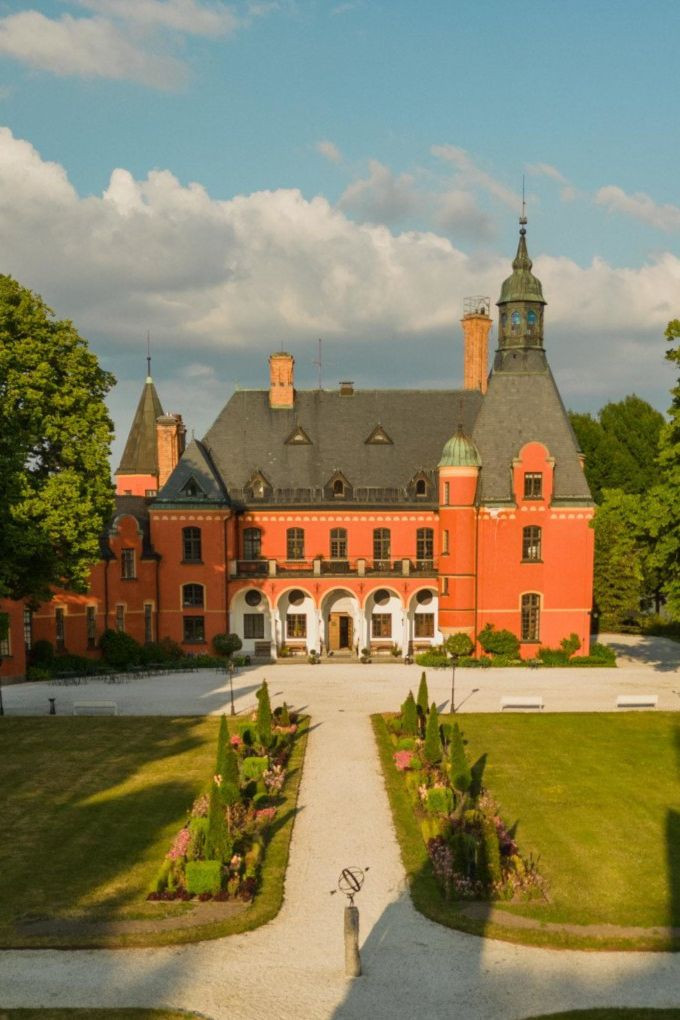
Say ‘I do’ in a castle setting
For many people, getting married in a castle or a manor house is a dream – and here, that dream can come true! We’ve listed…
-
 Wedding ceremony
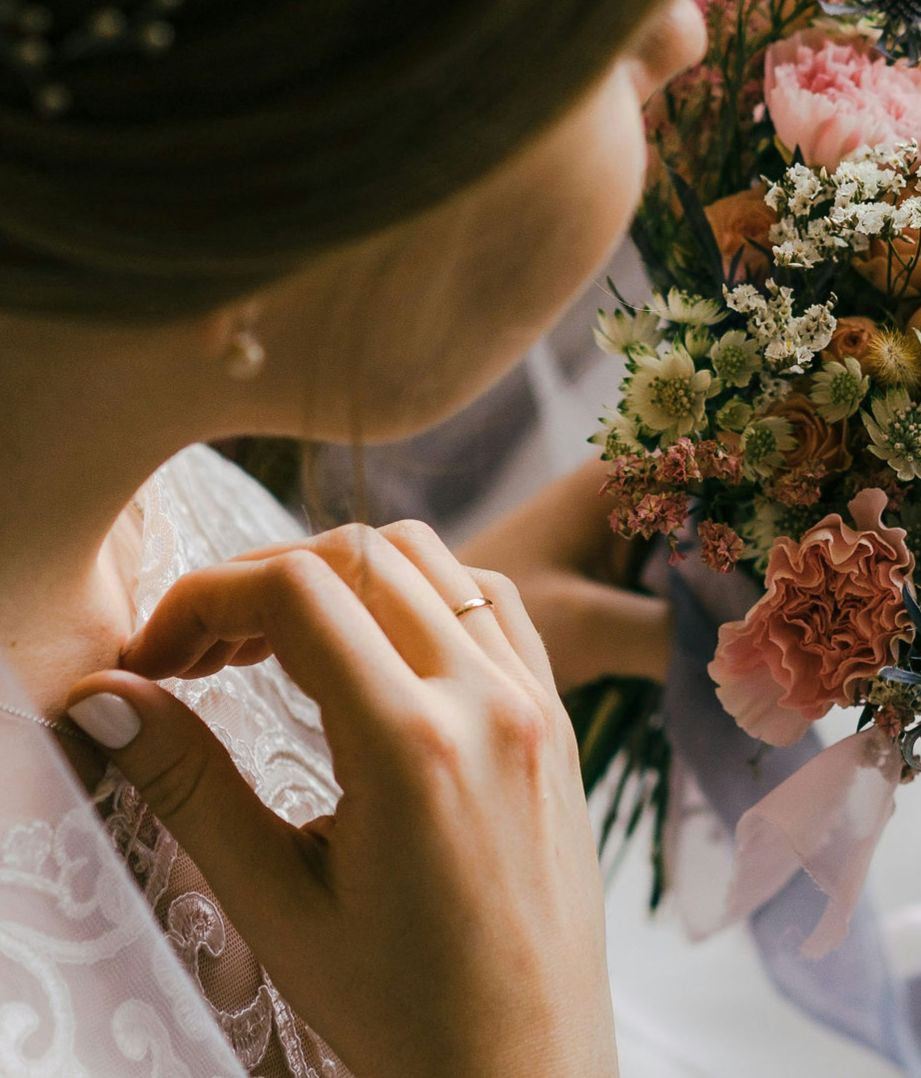
Choosing wedding rings
Engelbert is a Swedish brand and family business founded in 1920. It specialises in high-quality, in-house-crafted wedding and engagement rings of the very highest standard.…
-
 Wedding ceremony
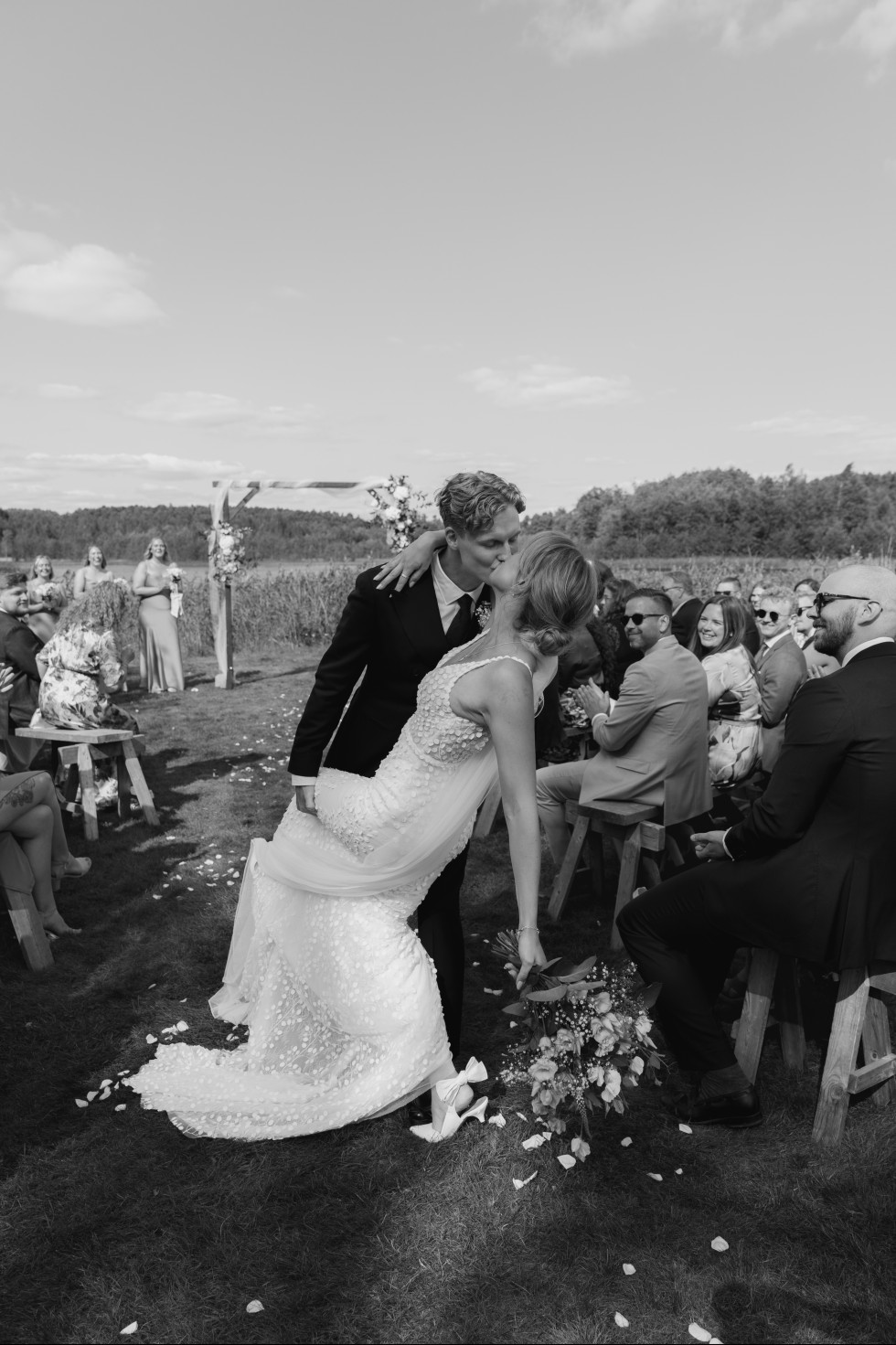
Marriage statistics
In 2023, 44,190 couples got married in Sweden. Over the years, the figures have fluctuated. Throughout the 2000s, the figure has risen with each passing…