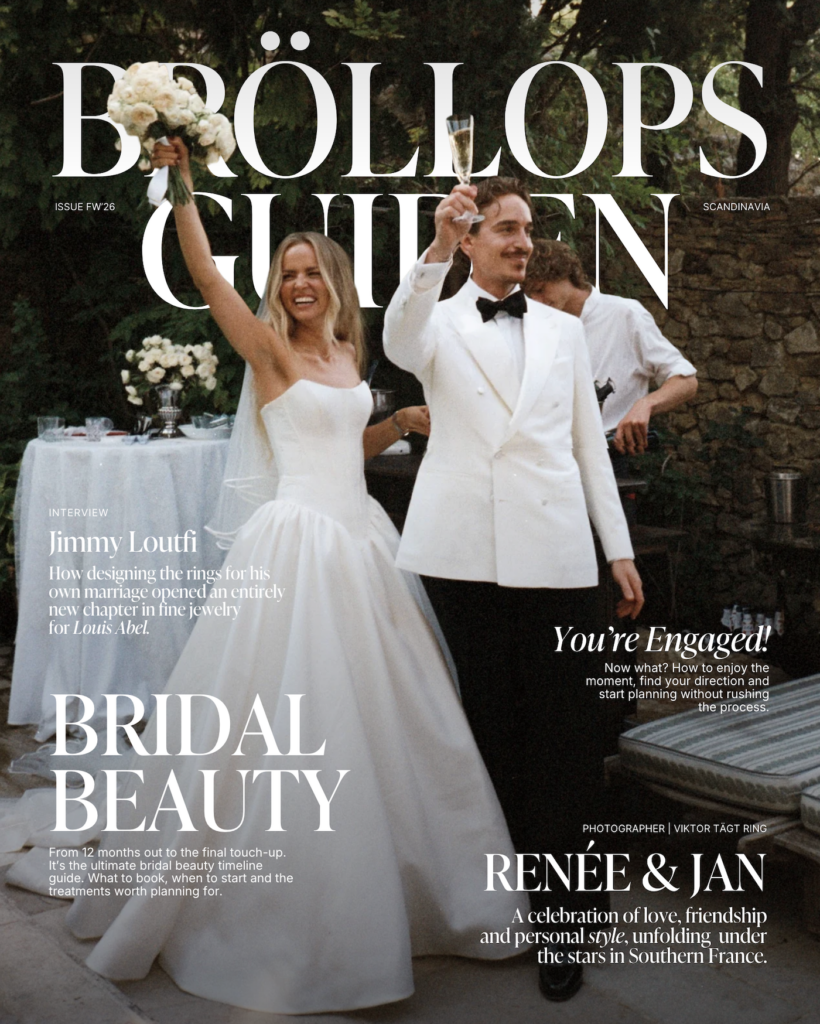
ISSUE FW’26
In our new FW’26 issue, we take you to the south of France and to Renée and Jan’s wedding, which was a celebration of love, friendship and style. We also sit down with Louis Abel founder Jimmy Loutfi for an in-depth interview about how his own wedding rings marked the start of a new chapter in fine jewellery, and look ahead to New York Bridal Fashion Week for the silhouettes, details and ideas that will set the tone for the coming season.
The wedding reception
Booking a wedding venue – The complete checklist
Are you looking to book a venue for your wedding? Here’s a checklist covering everything from prices and the menu to hidden charges. Find the perfect venue for your celebration here!
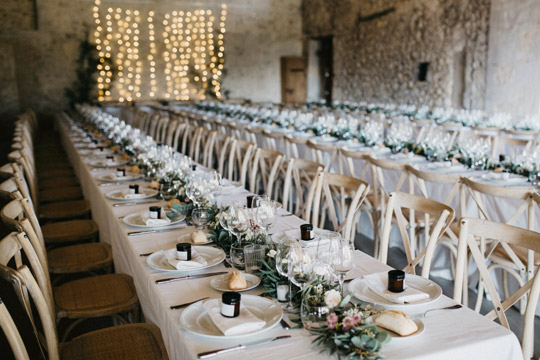


Book a wedding venue stress-free – here are the best tips and the checklist you need to find the perfect setting for your wedding. Choosing where to hold your wedding reception is one of the biggest decisions you’ll make during your planning.
The venue sets the tone for the whole day – whether you’re dreaming of a grand castle or a rustic barn. But what should you actually ask when you go for a viewing? Here at Bröllopsguiden, we’ve put together everything you need to know to book a venue with confidence.
Important things to bear in mind when booking a venue
Before you sign the contract for your venue, it’s important to have a clear picture of the whole package. From simple village halls to exclusive hotels – make sure you know what’s included, such as cleaning, crockery and staff. Before you decide to book a venue, find out the following.
- Start well in advance. Begin looking for a venue well before the party. Six to twelve months is a good timeframe if you want to choose from a wide range of options.
- Decide on the atmosphere. Decide on the style of your wedding and look for a venue that matches your theme and which you can decorate as you wish.
- Set a budget. There are plenty of venues in different price ranges, settings and standards, ranging from castles and manor houses with exclusive spas to simple village halls where you provide your own food and drink. So, first draw up a budget, then get in touch with different types of venues and ask what you get for your money. Explain your requirements in as much detail as possible to ensure you receive the most comprehensive quote.
- Check what’s included. Find out what’s covered by the prices beyond what’s specified, such as cleaning, table setting and floral arrangements, tables, chairs, glasses, tablecloths, crockery, napkins, staff, etc. What’s extra? Pay particular attention to this if you’re hiring a venue and plan to provide your own food and drink.
- Opening hours. What are the times when the venue is available? Do they vary depending on which day of the week you wish to book, or if you plan to play loud music? Can the opening hours be extended? If so, how much does that cost?
- Staff. If waiting staff are included, check how many guests each one is expected to look after and whether they have experience in serving. For a three-course dinner, the usual ratio is 18–25 guests per waiter; for a buffet, around 30 guests.
- Prices. It is important to check whether the prices quoted are exclusive or inclusive of VAT, as this can vary.
- Toilets. How many toilets are there? Three toilets per hundred guests is usually adequate.
- Visit the venue. Always visit the venue before you book. Attractive photos on the website may not give the full picture of what the venue is actually like in reality.
- Tasting. For a small fee or free of charge, you can usually arrange to sample the food from the menu so that you know you’ll be getting exactly what you had in mind.
- Smoking. Where can people smoke? Is it easy to step outside onto a balcony or terrace, for example?
- Guests with allergies and other special requirements. Are there any guests with allergies or who are vegetarians? Are there any disabled guests?
- Transport. How will guests get to and from the venue? Do taxis and buses need to be booked in advance?
- References. Ask for references from other couples or friends who have held their wedding at the venue you’re interested in.
- Booking agreement. Make sure you receive a written booking agreement. This ensures that there are no misunderstandings regarding your date and that there are no double bookings. It should also specify what happens if something goes wrong or breaks, and what the cancellation policy is.
Don’t forget to double-check the opening hours that apply to your specific venue. Can the party go on until 3.00 am, or does the music have to stop at midnight? Also ask about food and drink – do they allow you to bring your own catering, or do you have to buy their set packages? This will have a huge impact on your final budget.
Different types of wedding venues
Romantic manor house or castle wedding
Manor house wedding: If you want a grand wedding with a rustic touch, you should get married at a manor house. In beautiful surroundings, you’ll have a truly glamorous celebration and a wedding night in style.
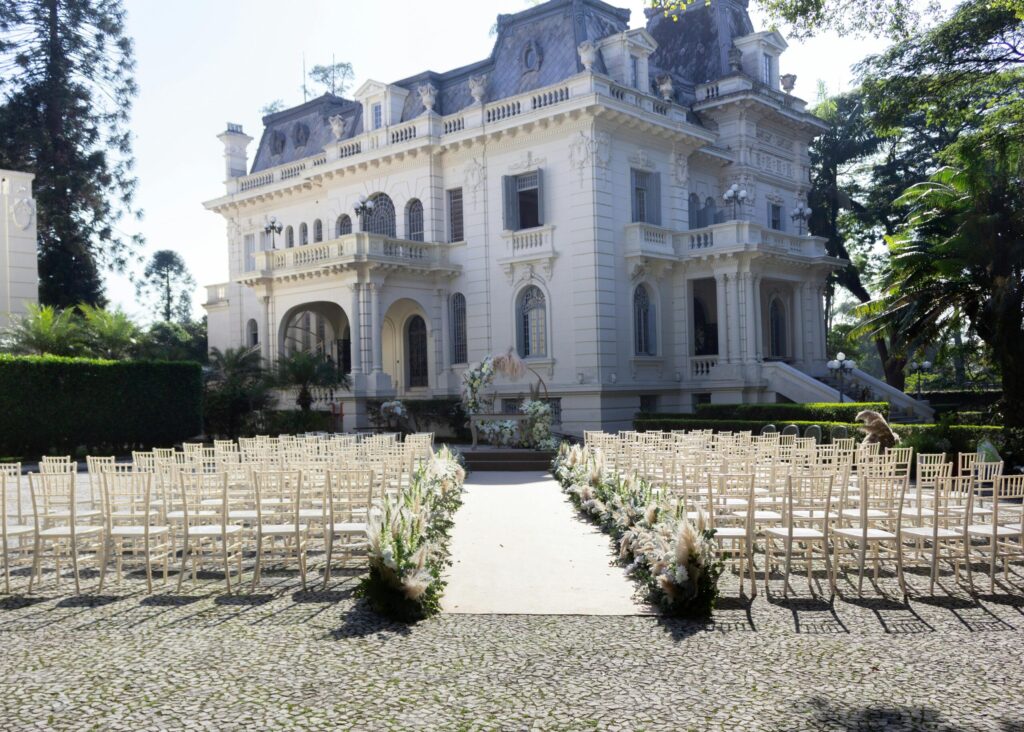
Castle wedding: You’ll have a real fairytale wedding when you get married in a castle. Imagine a super-exclusive wedding reception and a romantic wedding night in a magnificent suite.
Rustic wedding in a barn or granary
Perfect for that bohemian vibe. Bear in mind that these venues often require more planning in terms of logistics and heating/cooling. The wedding night is best spent at the nearest hotel or at home.
Intimate garden wedding at home
If you’re looking for an intimate, family-oriented wedding, you can get married in your own garden, with a party marquee on hand in case of rain. It makes for an intimate and atmospheric wedding with your closest family and friends.
Wedding reception at a restaurant or function venue
Choosing a restaurant or a ready-made function venue is the ultimate choice for couples who want a seamless experience. Here you’ll have access to professional service, culinary expertise and a setting that’s already designed for celebrations – without having to organise every little detail yourselves.
Wedding reception at a village hall – classic and affordable
If you’re looking for a traditional Swedish, budget-friendly wedding, a community centre is often the best choice. It provides a traditional setting where you have plenty of freedom to put your own stamp on the celebration. It’s common here to book the venue for a fixed fee and to be responsible for providing your own food and drink.
Once you feel confident, it’s time to book the venue and sign the contract. Also, don’t forget to apply for the examination of impediments to marriage from the Swedish Tax Agency well in advance.
Related articles
-
 The wedding reception
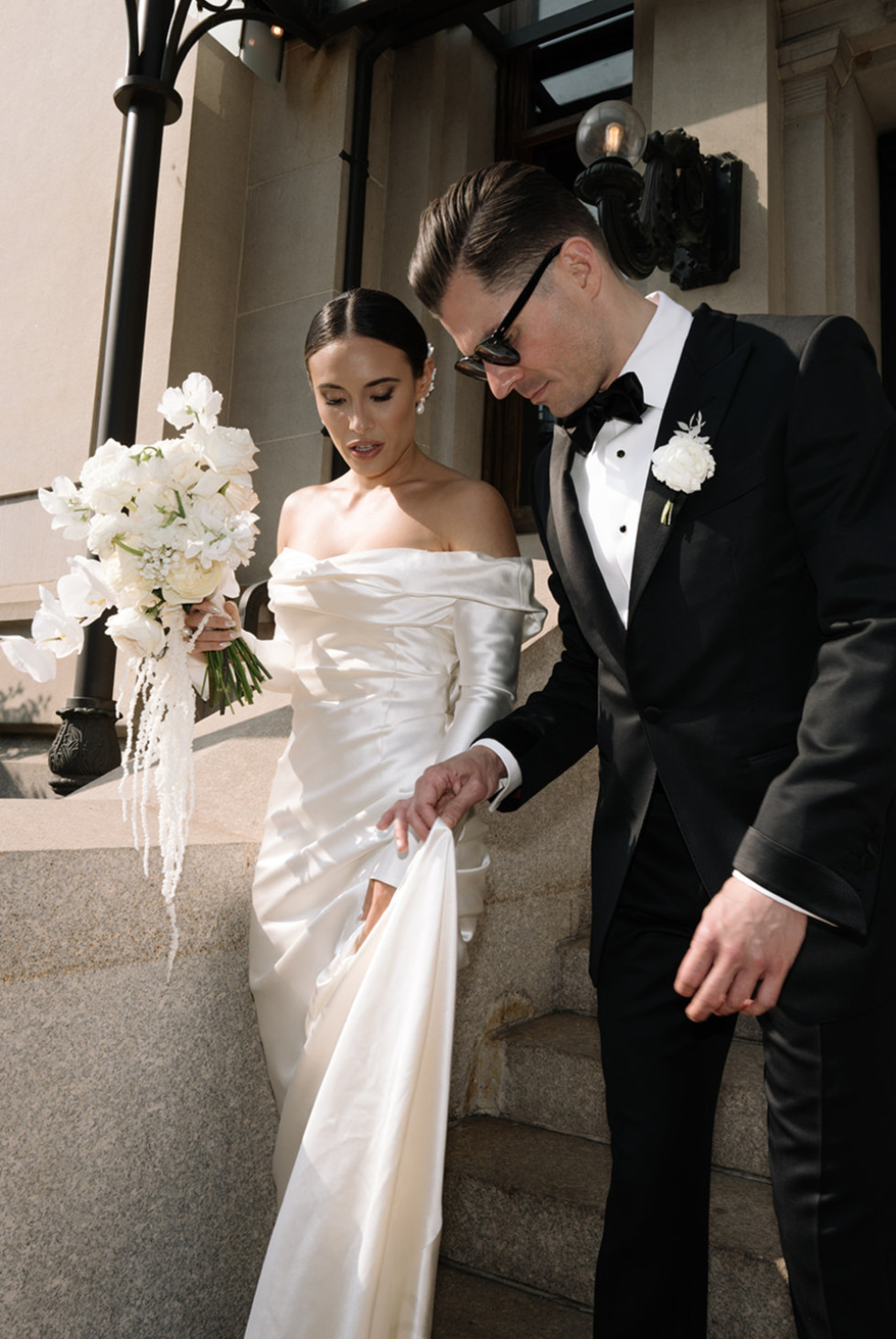
A New York wedding where Scandinavian minimalism meets the city’s pulse
New York has a special ability to capture big emotions without overdoing them. Amidst stone façades, long pavements and a constant flow of life, our…
-
 The wedding reception
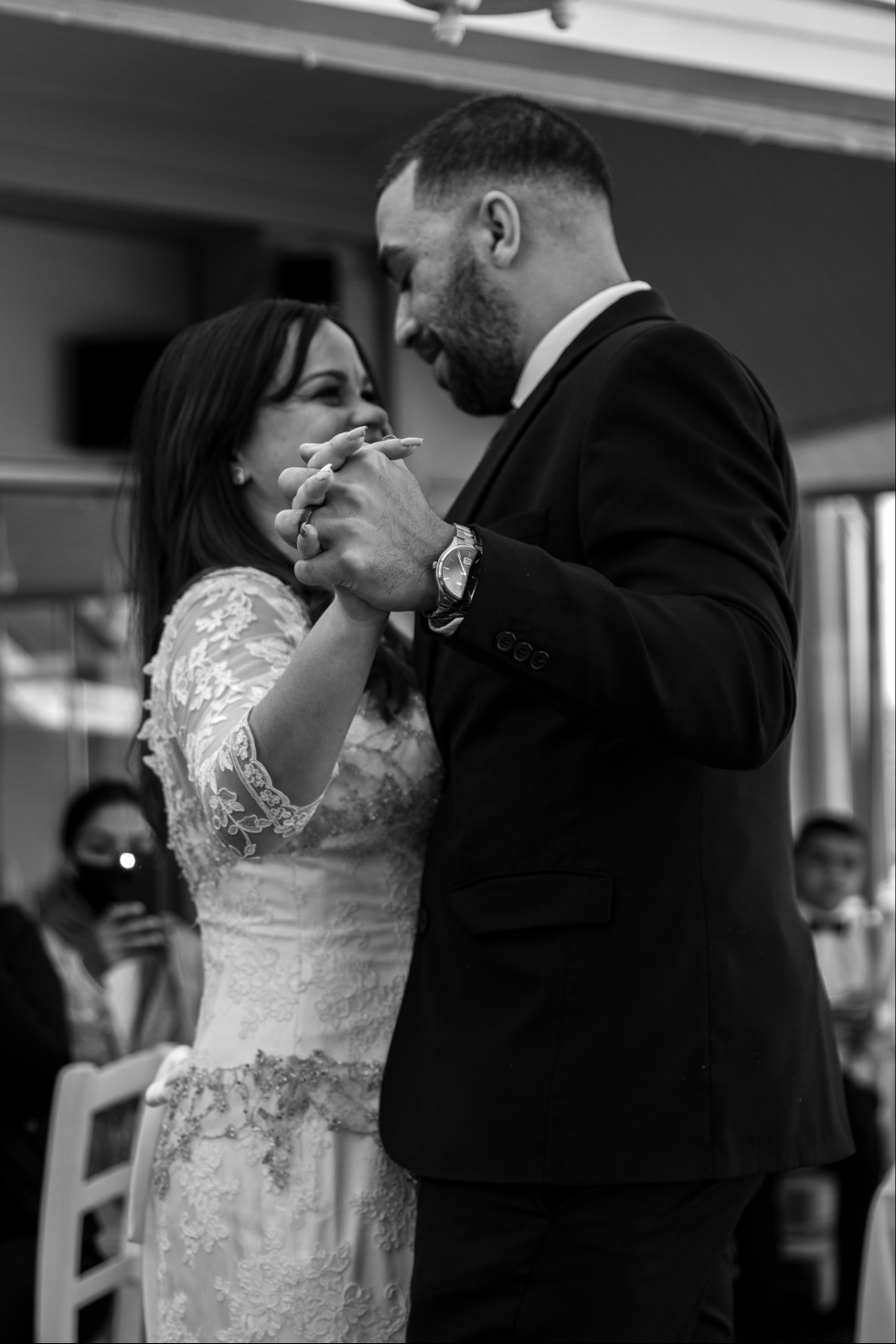
The first dance
Glide across the dance floor to an elegant Viennese waltz, or dance a slow dance to your favourite song? It’s entirely up to you, of…
-
 The wedding reception
Tips from the party planners
-
 The wedding reception
Top party tips
Discover the best tips for your wedding reception – submitted by our readers! Everything from ways to liven up the atmosphere to personal touches that…
-
 The wedding reception
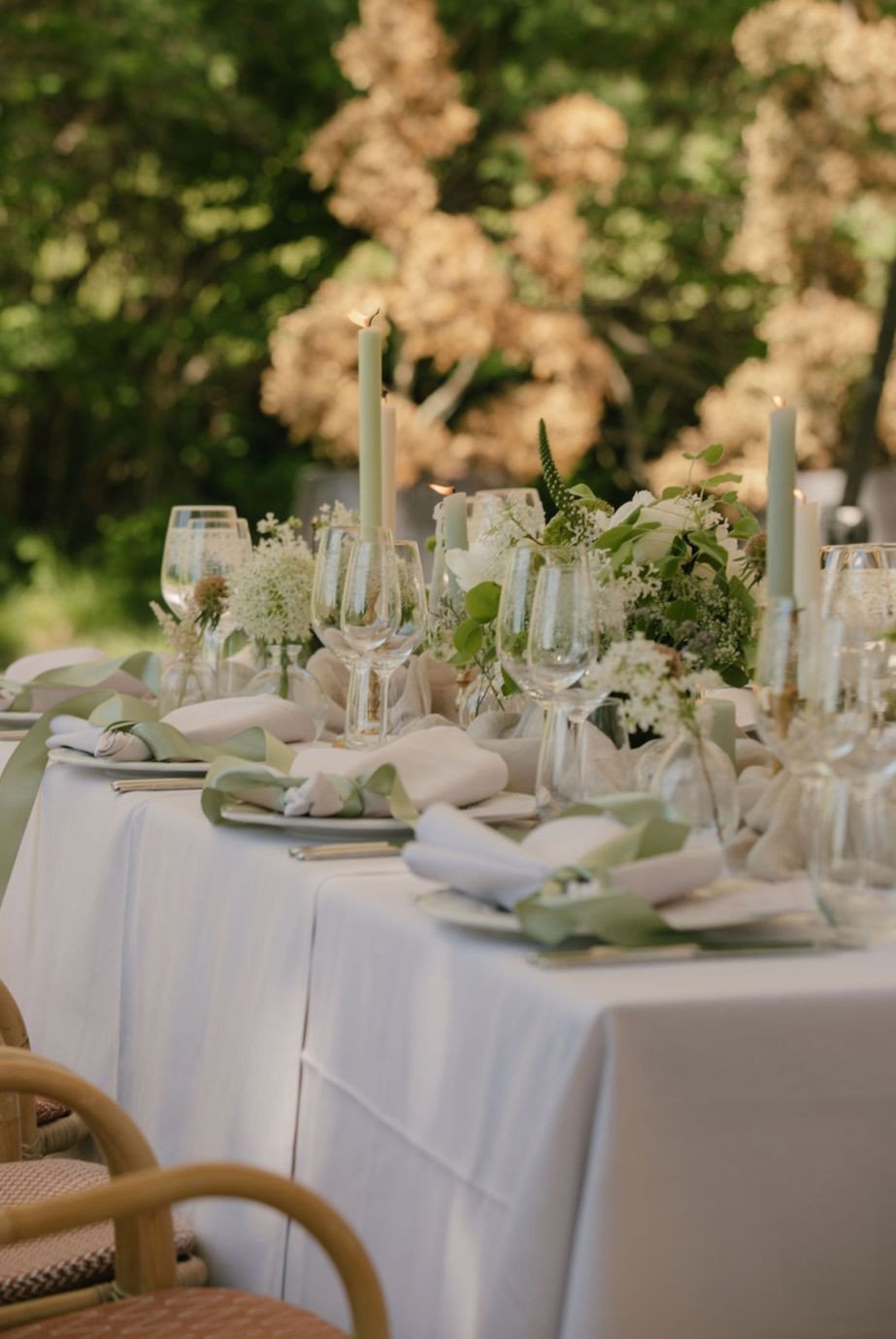
Set the table on a budget in 3 ways