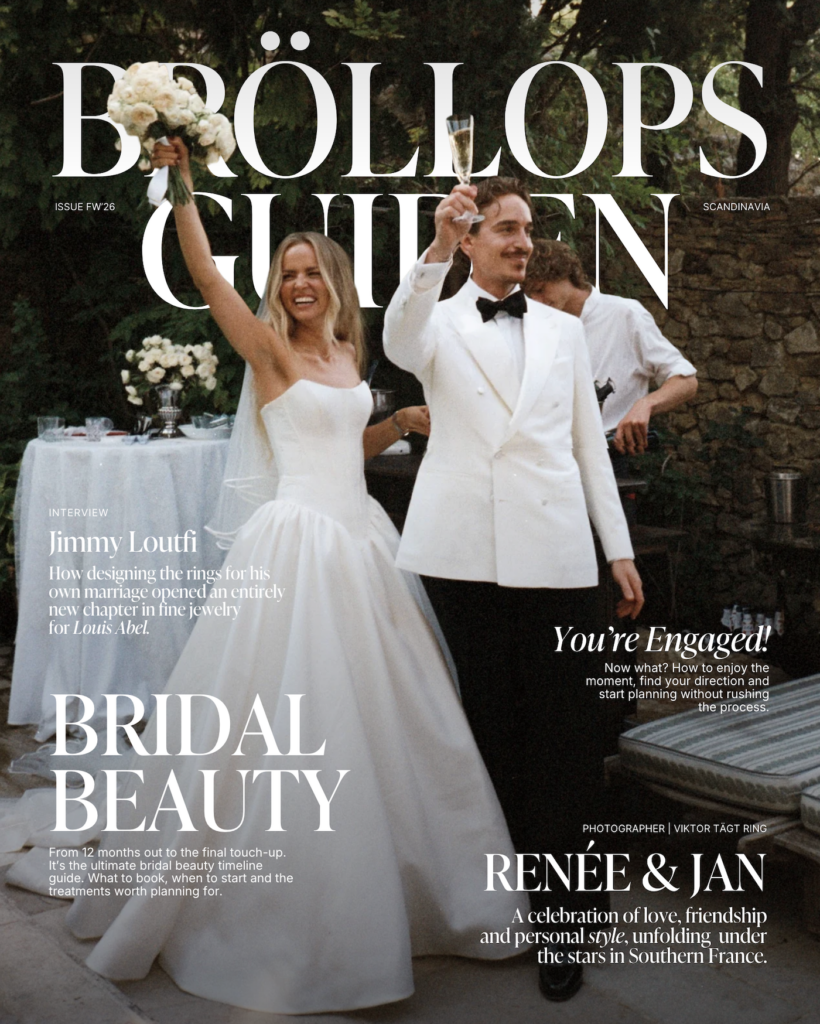
ISSUE FW’26
In our new FW’26 issue, we take you to the south of France and to Renée and Jan’s wedding, which was a celebration of love, friendship and style. We also sit down with Louis Abel founder Jimmy Loutfi for an in-depth interview about how his own wedding rings marked the start of a new chapter in fine jewellery, and look ahead to New York Bridal Fashion Week for the silhouettes, details and ideas that will set the tone for the coming season.
The Jewellery Guide
Lab-grown Diamonds vs. Natural Diamonds – Everything You Need to Know in 2026
Are you faced with the choice between a diamond formed deep within the Earth and one created using advanced technology in a laboratory? In 2026, the question is no longer about what is ‘genuine’, but about which values and what budget will guide your choice. Here’s a guide to clear up any doubts.
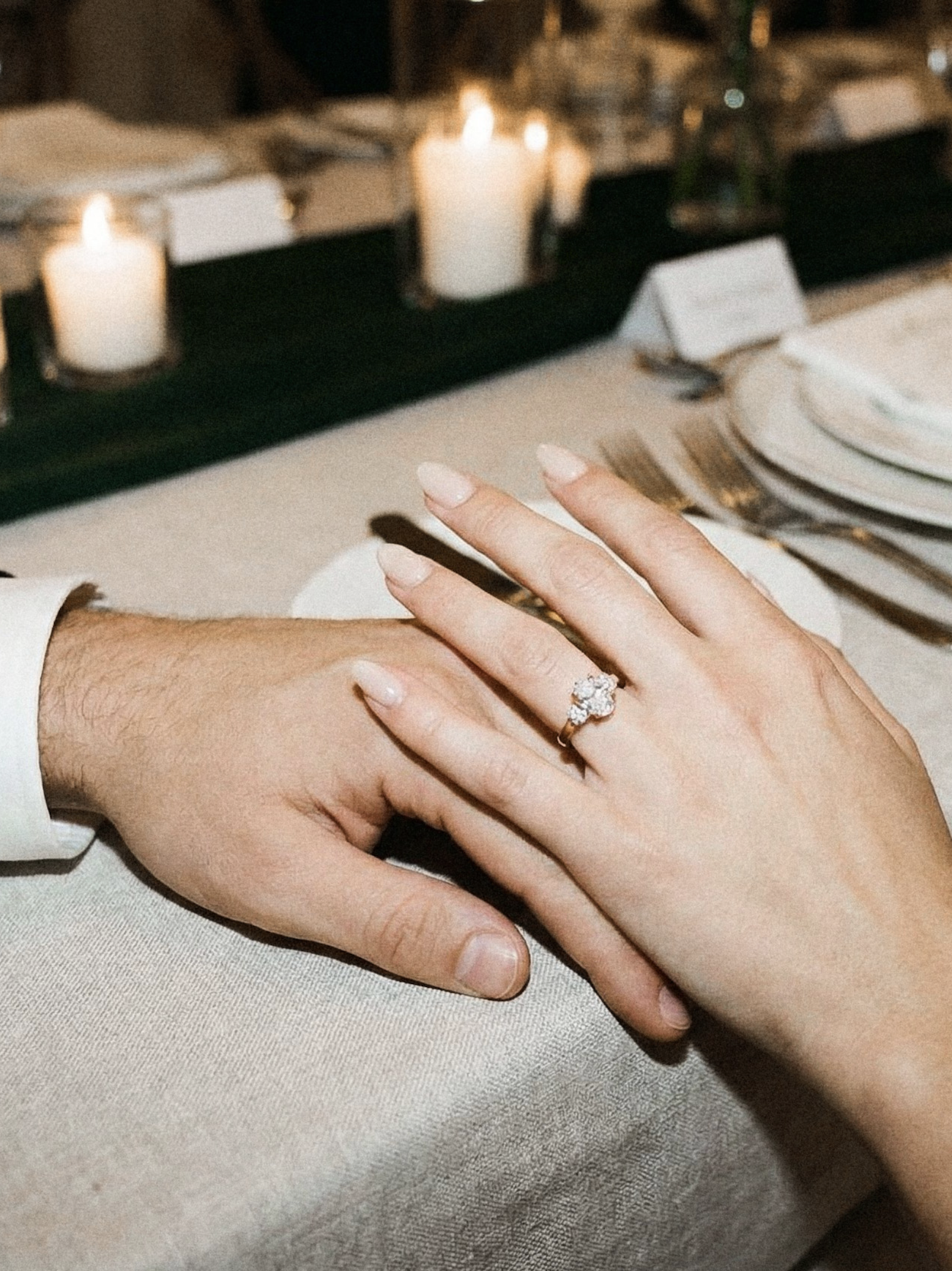


Just a few years ago, lab-grown diamonds were a niche contender. Today, in 2026, they are an integral part of any reputable jeweller’s range. But with choice comes indecision. Is a lab-grown diamond really a diamond? And why does the price vary so drastically? Are they really identical?
The short answer is yes. A lab-grown diamond is not an imitation (such as cubic zirconia or moissanite). It has exactly the same chemical composition, crystal structure and optical properties as a natural diamond. Geologically and within the industry, they are classified as synthetic diamonds, but as they consist of 100 per cent pure carbon, they are optically identical to mined diamonds. If you place them side by side, not even an experienced jeweller can tell the difference with the naked eye. Advanced laboratory equipment is required to detect that one has formed over billions of years and the other over a few weeks.
The analogy that explains it all – think of ice. You can collect ice from a frozen lake in the middle of winter, or you can freeze water in your freezer. They have different origins, but they are made up of exactly the same molecules; it’s ice in both cases.
Why choose lab-grown? (The price tag and size)
The main driving force behind the boom in lab-grown diamonds in 2026 is undoubtedly the price. The technology has been refined and production scaled up, which has widened the price gap.
- More ‘bling’ for your money: For the same budget that buys you a modest natural diamond, you can often get a lab-grown stone that is two to three times as large and of higher clarity.
- Quality: As the environment in a laboratory is controlled, it is easier to find lab-grown diamonds with very high clarity and perfect colour at an affordable price. Today, this production takes place in advanced, large-scale high-pressure facilities, with countries such as China and India leading the world in this field.
Fact box: What does the official standard say?
In the market and in everyday language, people often talk about ‘lab-grown diamonds’, which is also the term most prospective bridal couples use. However, within the jewellery industry, strict rules are in place to protect consumers. According to the official Swedish and European standard (SS-EN ISO 18323:2015), the correct technical term is ‘synthetic diamond’ or ‘lab-grown diamond‘. In fact, the standard does not approve the use of the word ‘cultured’ in a commercial context, as the aim is to ensure that consumers never confuse a laboratory-grown stone with a naturally mined diamond.
Why choose natural? (The feel and the value)
Despite technological advances, there are reasons why natural diamonds still hold a special place in 2026.
- Rarity: A natural diamond is a geological miracle. Wearing something created under enormous pressure billions of years ago carries a romantic symbolism that a machine-made stone struggles to match.
- Resale value: This is important to know. Natural diamonds retain their value over time in a way that lab-grown diamonds do not. If you see the ring as a financial investment for the future, a natural stone is the way to go.
The ethical and environmental choice
In 2026, couples are more environmentally conscious than ever. But the answer to what is most sustainable is not black and white.
- Lab-grown: Requires enormous amounts of energy. Many producers now use renewable electricity and are carbon-neutral, but always check that the stone is certified as sustainably produced.
- Natural: Mining has historically had a major environmental impact. Today, however, there are strict certification schemes (such as enhanced versions of the Kimberley Process) that guarantee the diamonds are conflict-free and that mining operations support local communities.
How should you choose?
There’s no right or wrong answer in 2026. It’s all about what makes your heart beat a little faster.
- Choose lab-grown if: you prioritise a large, sparkling stone with a perfect look and want to spend your money on the wedding reception or honeymoon rather than on the diamond’s origin.
- Choose natural if: you love the idea of wearing a piece of the Earth’s history and want a ring that retains its financial value through the generations.
Editor’s tip: Whatever you choose, make sure the stone comes with a certificate from an independent institute (such as the GIA or IGI). This is your only guarantee that the stone actually meets the promised quality standards.
Related articles
-
 The Jewellery Guide
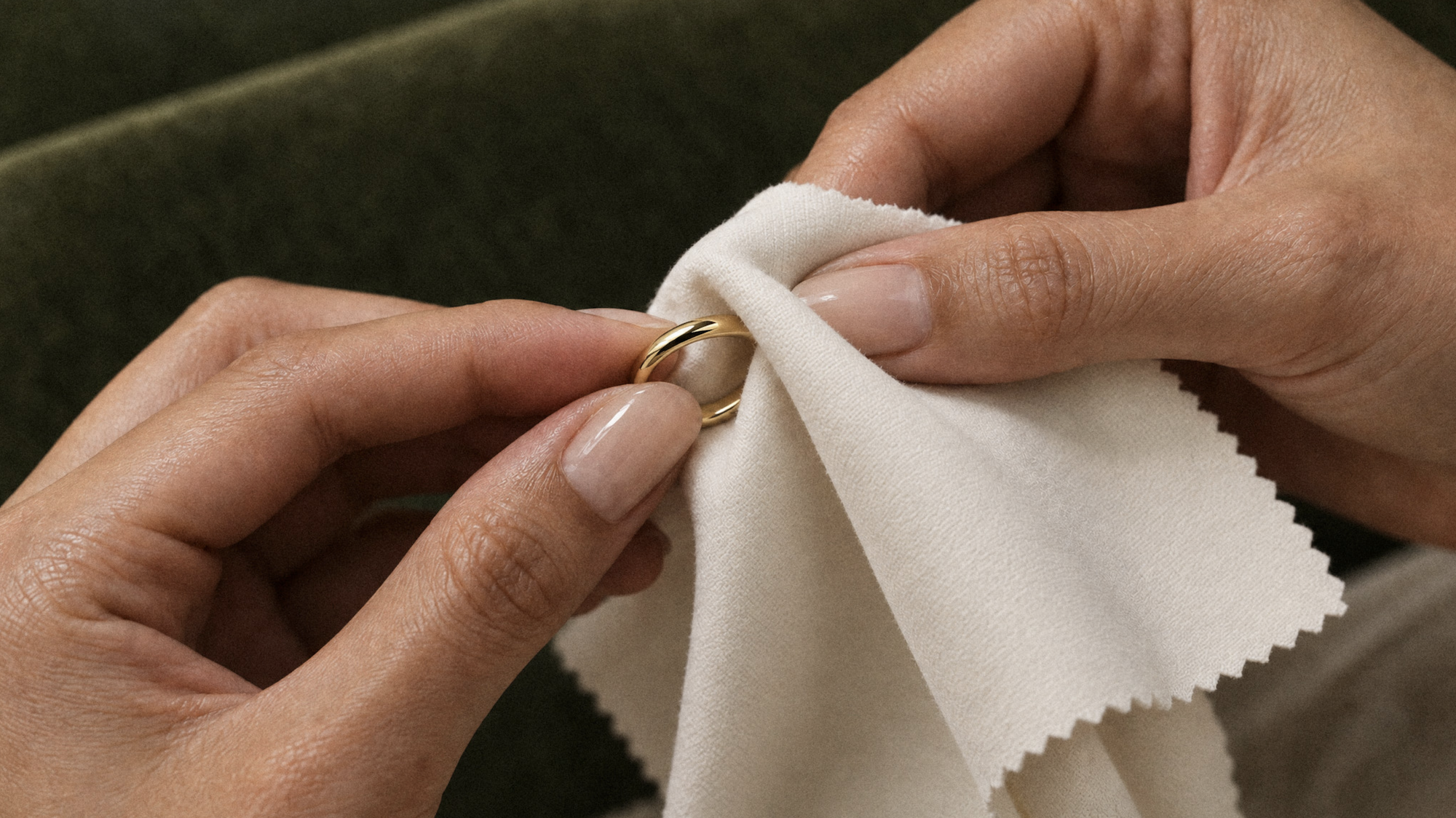
How to Keep Your Engagement Ring Looking Beautiful – Tips for Cleaning & Polishing
A ring worn every day needs a little care to retain its lustre. We’ll guide you through simple cleaning at home, the right care for…
-
 The Jewellery Guide
When is an Alliance Ring the Right Choice? – Inspiration & Tips
Two rings, one look. We’ll show you how to combine your engagement ring and wedding ring by striking the right balance between metal, shape and…
-
 The Jewellery Guide
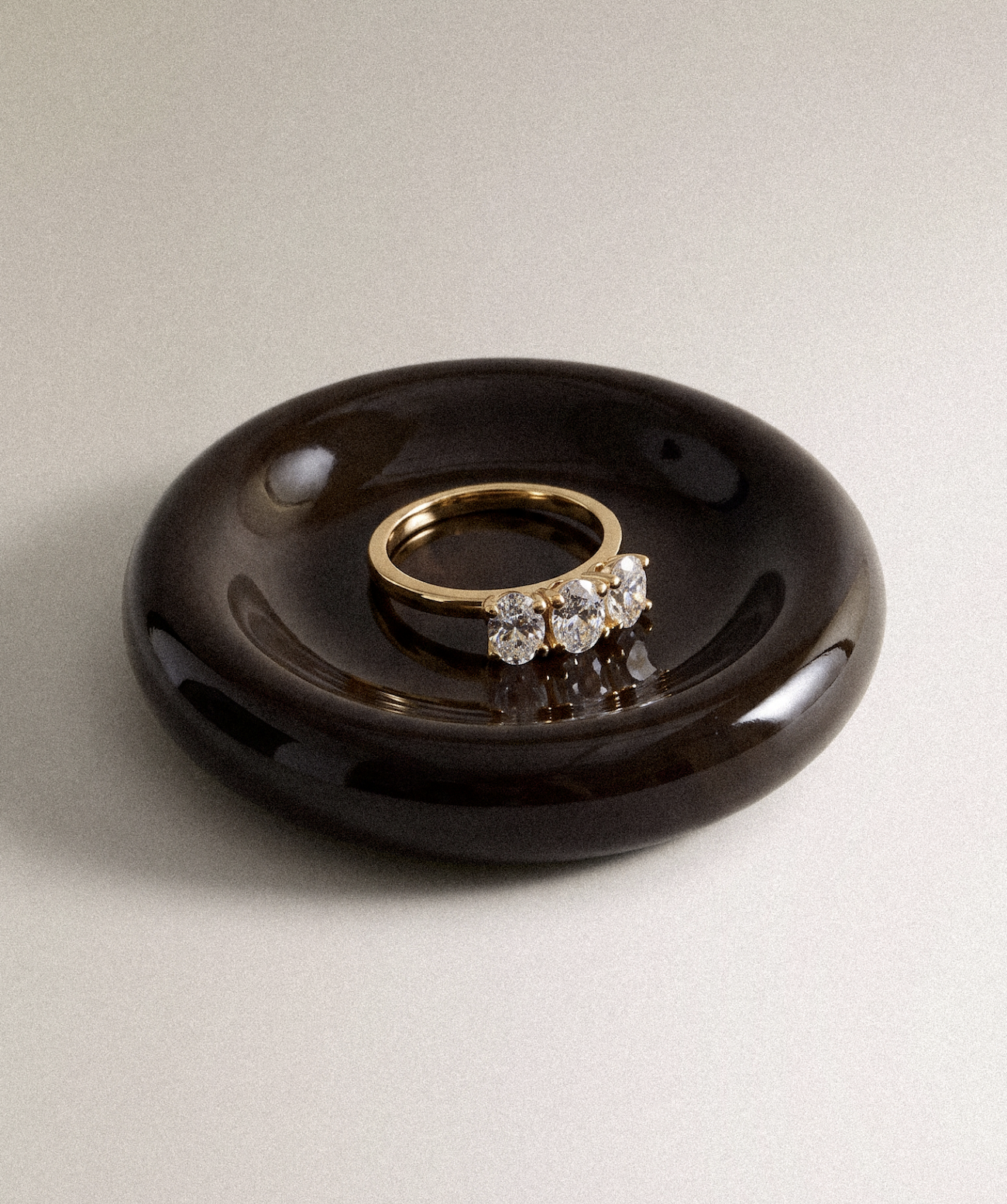
The Hottest Engagement Ring Trends for 2026 – Inspiration for Your Big Day
We take a closer look at the engagement rings that define 2026 and the details that feel worth wearing long after the trend has passed.
-
 The Jewellery Guide
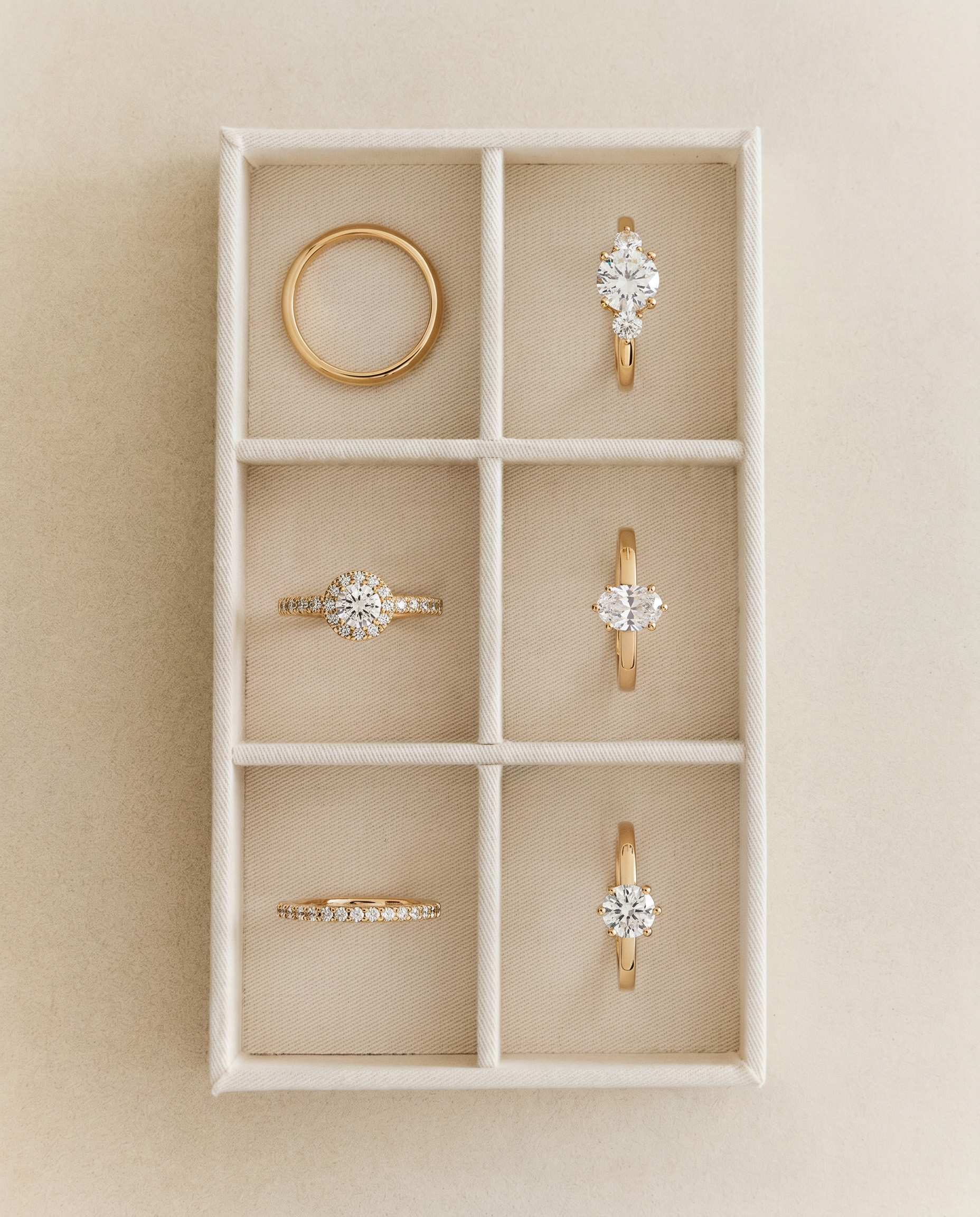
How to Choose a Ring Based on Your Budget – Our Tips for Finding the Perfect Ring, Whatever Your Price Range
Choosing the right engagement ring isn’t about spending the most, but about knowing what’s worth prioritising. From diamonds and metals to design and carats –…
-
 The Jewellery Guide
How Much Should You Spend on an Engagement Ring? – Advice & Inspiration
The cost of an engagement ring is determined by far more than just the size of the diamond. We’ll look at what actually affects the…