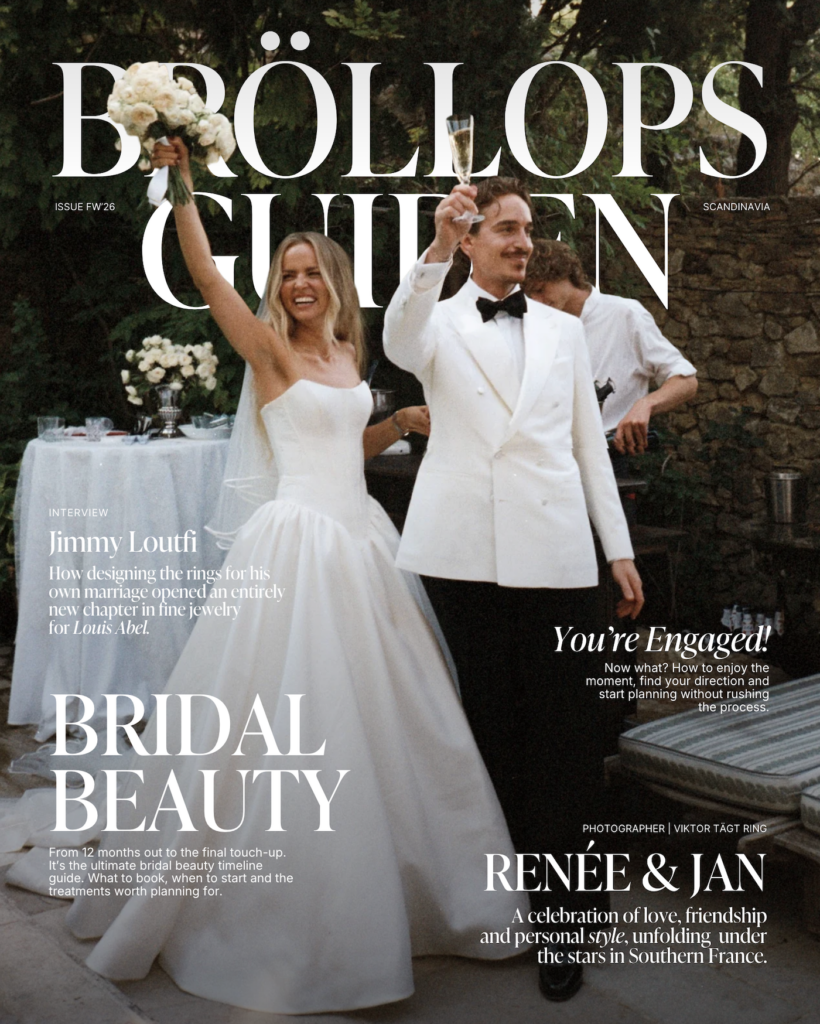
ISSUE FW’26
In our new FW’26 issue, we take you to the south of France and to Renée and Jan’s wedding, which was a celebration of love, friendship and style. We also sit down with Louis Abel founder Jimmy Loutfi for an in-depth interview about how his own wedding rings marked the start of a new chapter in fine jewellery, and look ahead to New York Bridal Fashion Week for the silhouettes, details and ideas that will set the tone for the coming season.
The Banquet Hall Guide
When the party can carry on: How closing times and noise regulations work in the function room
The dance floor is packed, the bass is thumping and nobody wants to go home. But amidst all the festive cheer, there’s a common worry shared by many newlyweds – what if the party ends too soon?
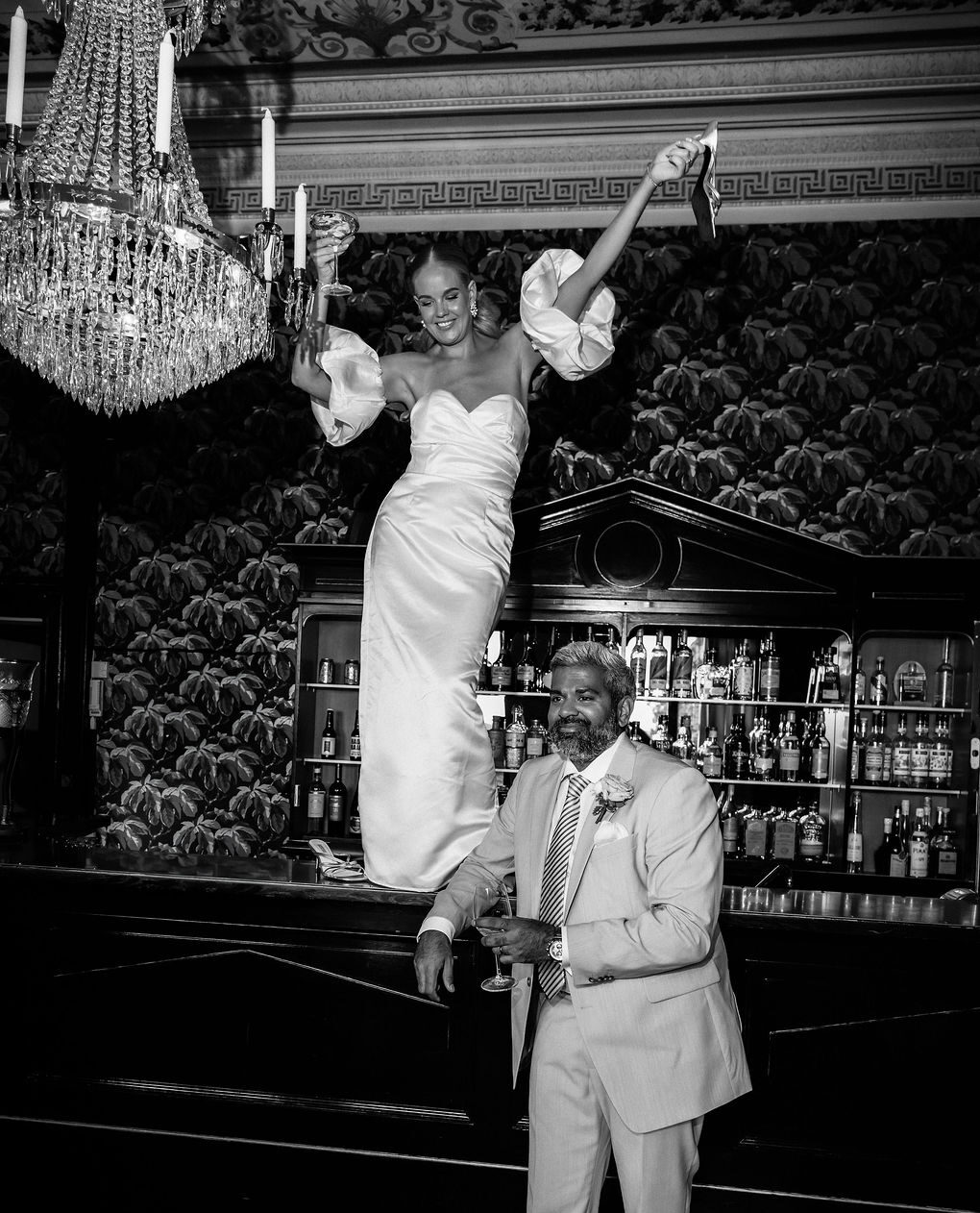


The dance floor is packed, the bass is thumping and no one wants to go home. But amidst all the festive atmosphere, there’s a common worry shared by many bridal couples – what if the party ends too soon?
Local regulations, noise limits and fixed closing times may, at first glance, seem like rigid obstacles to a wedding reception. The truth is that these guidelines often help to give the evening a better structure. Once you know exactly what applies to your chosen venue, you can plan smartly to keep the energy levels high right through to the very end.
Many established venues are located in historic buildings or near residential areas, which means they must comply with the Environmental Code’s regulations on noise and sound levels. Local authority permits set the framework for the noise regulations that wedding receptions and venues must adhere to, and often impose a cut-off time when the music must be turned down or switched off completely, usually around midnight or 1.00 am. Some venues also have automatic sound limiters installed which temporarily cut the power if the decibel level becomes too high.
This doesn’t have to mean the party will be a bore. A good sound level is more about good acoustics and properly set-up equipment than about playing as loudly as possible. When the sound is well-balanced, guests don’t have to shout to be heard at the bar, which actually means more people stay in the party room rather than heading out into the courtyard to chat. It’s about creating an environment where both those who want to dance and those who want to chat can enjoy themselves at the same time.


Adjust the set list for maximum dancing
An effective way to manage a fixed closing time is to plan the day’s schedule carefully. If your function room closes at 01:00, you’ll benefit greatly from starting dinner in good time. Discuss this with your caterers or the venue’s own kitchen staff to ensure that the serving of food and drink flows smoothly without long, drawn-out breaks between courses.
By maintaining a good pace throughout dinner, the dance floor can open earlier in the evening. Three to four hours of intense dancing and socialising is often the perfect length for a party to feel full of energy without losing momentum towards the end. Ending the party when the atmosphere is at its peak is also the best way to ensure that guests leave the venue feeling really good.
Silent disco – how to keep the party going after midnight
For those groups who absolutely do not want to call it a night when the usual speakers have to be turned off in accordance with the noise regulations for wedding receptions, one particular concept has become very popular in recent years: the silent disco. This involves guests being given wireless headphones, allowing them to choose between different music channels, whilst the rest of the venue remains completely silent. This is an excellent solution for a venue with strict noise restrictions, as the bass and music go straight into the guests’ ears rather than travelling through the walls to the surrounding area.
Booking this add-on often means that your DJ can continue to play live, but instead of sending the sound to the main speakers, the equipment is connected directly to a transmitter. It also becomes a very social and entertaining activity in its own right, perfect for weddings in both 2026 and 2027. Guests can simply take off their headphones to chat in a normal tone of voice at the bar without having to shout, whilst those who want to keep dancing can do so well into the small hours without disturbing neighbours or risking a breach of any local regulations. By viewing the venue’s unique characteristics and noise regulations as a practical framework rather than a problem, you’ll create the ideal conditions for an evening where the logistics run smoothly without any interruptions whatsoever.
Plan further with our Wedding Reception Guide
Once you’ve got a handle on the venue’s closing times and how hidden noise regulations affect the dance floor, it’s time to look at what’s going to be served. How do liquor licences actually work, what does a corkage fee entail, and how do you plan the bar service in a legal and smart way?
Related articles
-
 The Banquet Hall Guide
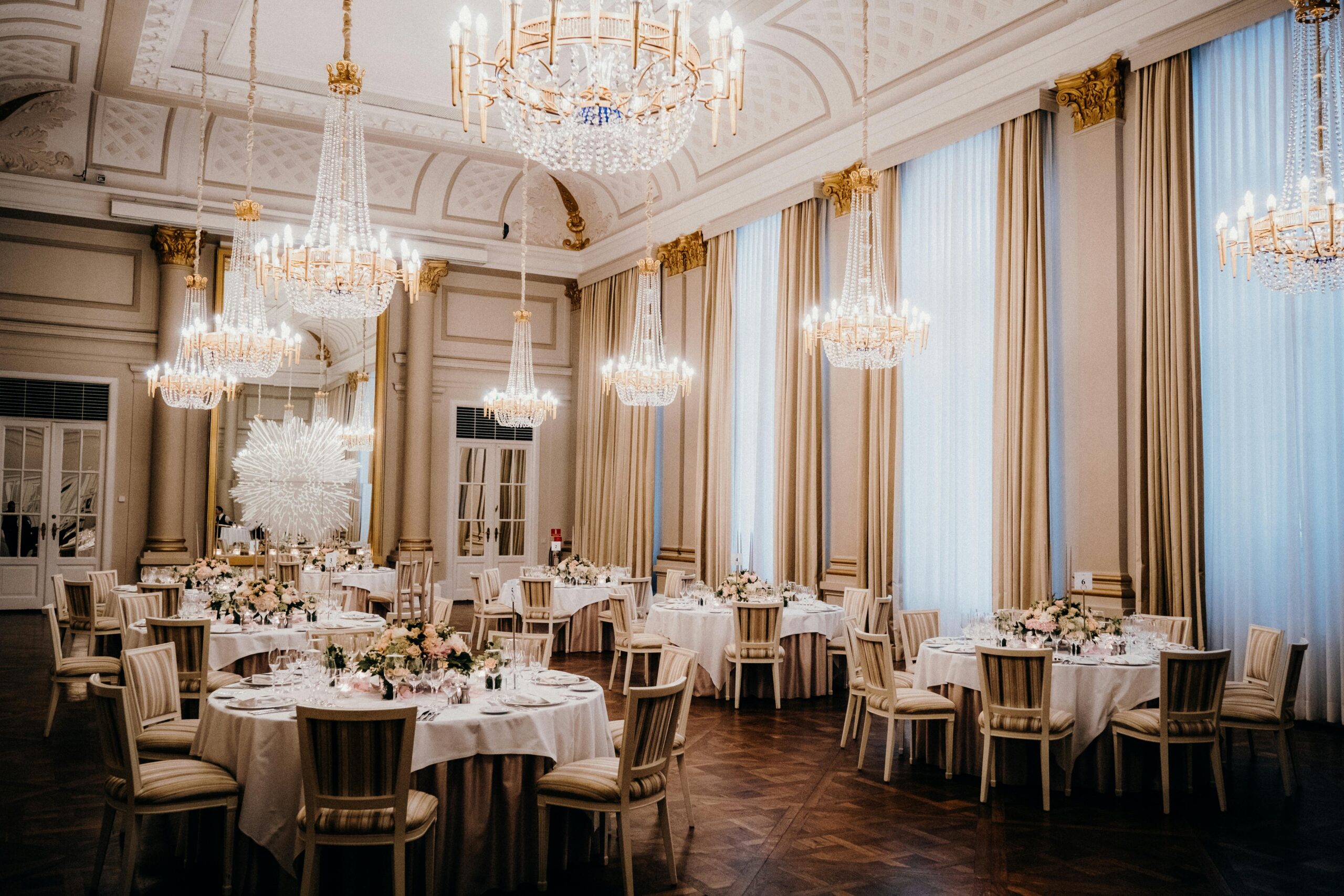
The Comfortable Wedding: From ventilation to queues for the loo
For the party to be as successful as possible, the practical basics need to work just as well as the aesthetic aspects.
-
 The Banquet Hall Guide
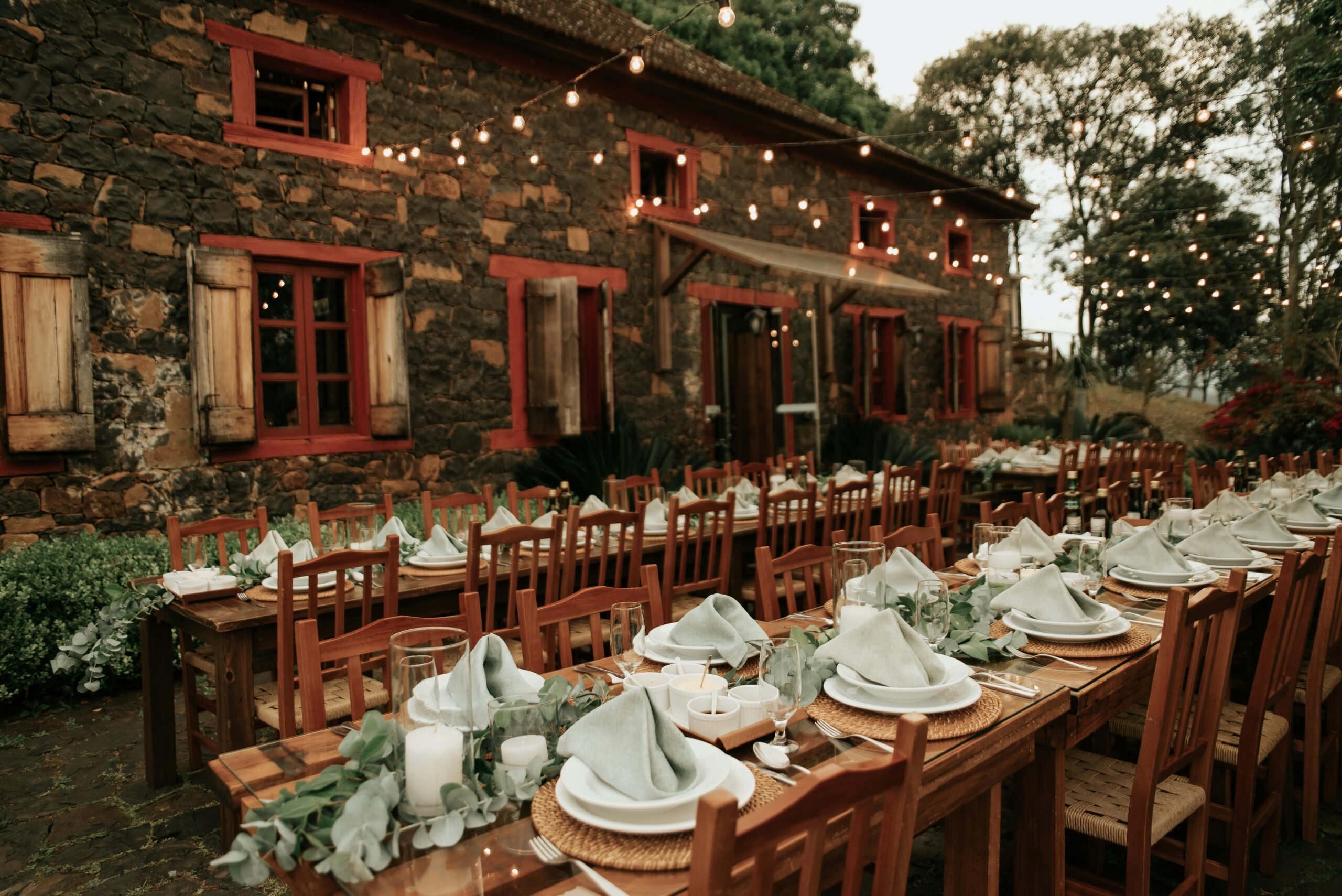
A layout that creates energy: How to plan your dining and dance area
When you’re planning the venue and layout for your wedding, there’s much more to it than simply making sure there’s room for the right number…