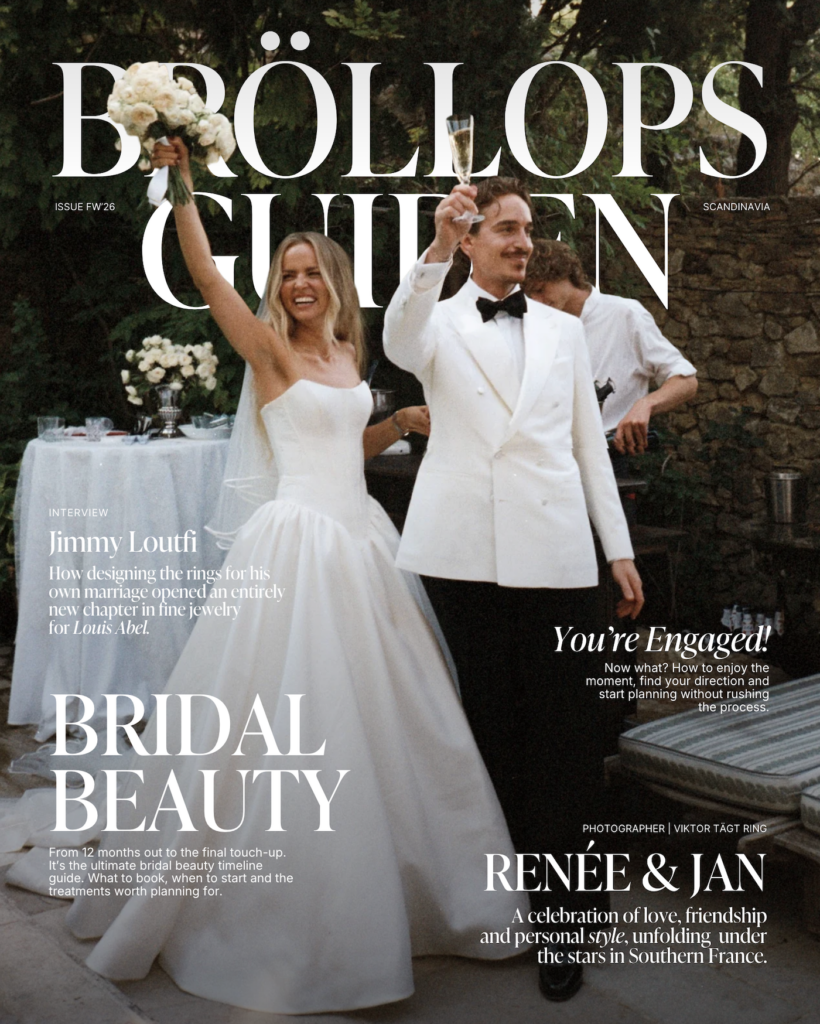
ISSUE FW’26
In our new FW’26 issue, we take you to the south of France and to Renée and Jan’s wedding, which was a celebration of love, friendship and style. We also sit down with Louis Abel founder Jimmy Loutfi for an in-depth interview about how his own wedding rings marked the start of a new chapter in fine jewellery, and look ahead to New York Bridal Fashion Week for the silhouettes, details and ideas that will set the tone for the coming season.
The Banquet Hall Guide
The wedding bar and the law: Liquor licences, corkage fees and smart planning
Planning drinks, the bar and catering licences for a wedding often raises many practical questions regarding legislation, logistics and finances.



Planning drinks, the bar and catering licences for a wedding often raises many practical questions regarding legislation, logistics and finances.
Sorting out the details regarding licences, regulations and hidden charges early on in the process provides a great sense of security and allows you to focus on creating a pleasant party atmosphere. How much alcohol will be consumed? What does the Alcohol Act actually say about private parties?
Many couples who choose to hire standalone venues or old barns prefer to buy the drinks themselves to keep costs down. This is an excellent and entirely legal option, provided certain basic criteria under Swedish alcohol legislation are met. Private parties are generally exempt from the requirement for a formal serving licence for weddings altogether. If you hire a community hall, a privately owned barn or a marquee and are responsible for the food and drink yourselves, you can therefore run the bar entirely without a licence from the local authority. However, for this to apply, the following three conditions must be met:
- The serving of alcohol must be on a non-profit basis (the alcohol is provided free of charge or sold at cost price).
- It must be a pre-arranged, private gathering (the guest list is fixed and no outsiders can buy a ticket at the door).
- The venue does not normally serve alcohol on a commercial basis.
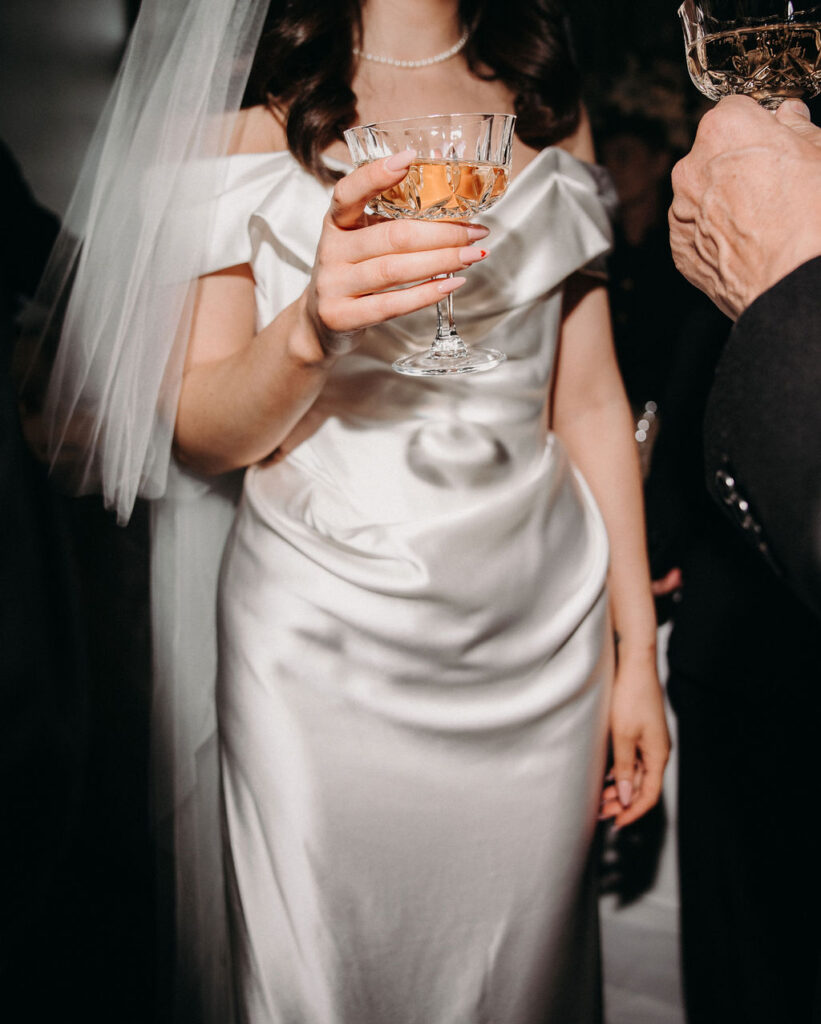
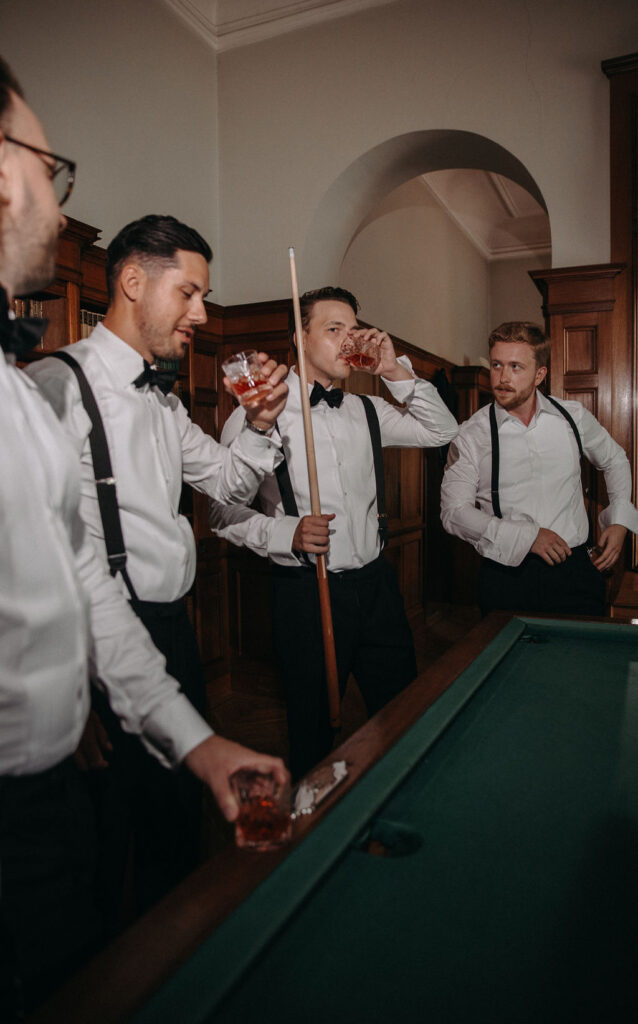
Corkage fee – how does it work in practice? When you’re looking for suitable function venues, you’ll soon notice that they operate in different ways.
Some venues have their own permanent licences covering the serving of alcohol at weddings (just like ordinary restaurants or hotels). There, you buy all drinks directly from the venue. This means a higher purchase price per bottle, but in return, all handling, chilling, glasses, ice and professional serving staff are included in the price.
Other function venues offer a middle ground where you’re allowed to bring your own drinks, but the venue charges a so-called corkage fee (or service charge) per bottle opened. This fee is intended to cover the venue’s costs for staff handling the drinks, washing up glasses and refrigeration.
The cost of the corkage fee varies considerably depending on the venue’s level of service:
VENUE/FUNCTION
ROOM Barn or farmstead without permanent staff
Banquet venue with basic staff support
Restaurant, manor house or castle with full service
CORKAGE FEE/BOTTLE
0 SEK
50–150 SEK
200–500 SEK
USUALLY INCLUDED
You take care of everything yourself or via an external caterer.
Handling, chilling and setting out of drinks.
Table service, unlimited refills and full bar service
When comparing quotes, it’s wise to work out the total cost. Sometimes, a venue offering a full service and a ready-made drinks package can be better value for money and considerably less time-consuming than buying everything yourself and paying high corkage fees.
Systembolaget’s returns policy takes the guesswork out of it
A major source of stress for many bridal couples is the fear that the drinks will run out in the middle of the party or that they’ll be left with dozens of unopened bottles afterwards. Here, Sweden has a major logistical advantage thanks to Systembolaget’s generous ‘open purchase’ policy.
You’re entitled to return unopened bottles and get your money back within 14 days, provided you’ve kept the receipt and the bottles and labels are in undamaged condition. This means you can allow for a generous margin when planning your purchases. It’s always better to buy a few extra bottles of wine, beer and non-alcoholic options. Knowing that any leftovers can easily be returned after the weekend means you can relax and trust that the bar will remain well-stocked throughout the evening.
By combining this with a well-thought-out menu from your chosen caterer or the venue’s own kitchen, you’ll lay the foundations for a dinner where the logistics run smoothly, with no surprises. Keeping track of your return policy and checking whether the venue requires a catering licence for weddings is quite simply the key to a stress-free toast.
Continue planning with our Venue Guide
Once you’ve sorted out all the rules regarding alcohol and wedding serving licences, it’s high time to focus on the other major pillar of the evening’s success: the food. Will you opt for a traditional three-course dinner, a classic buffet or the modern and social concept of ‘sharing plates’?
Related articles
-
 The Banquet Hall Guide
The Comfortable Wedding: From ventilation to queues for the loo
For the party to be as successful as possible, the practical basics need to work just as well as the aesthetic aspects.
-
 The Banquet Hall Guide
A layout that creates energy: How to plan your dining and dance area
When you’re planning the venue and layout for your wedding, there’s much more to it than simply making sure there’s room for the right number…