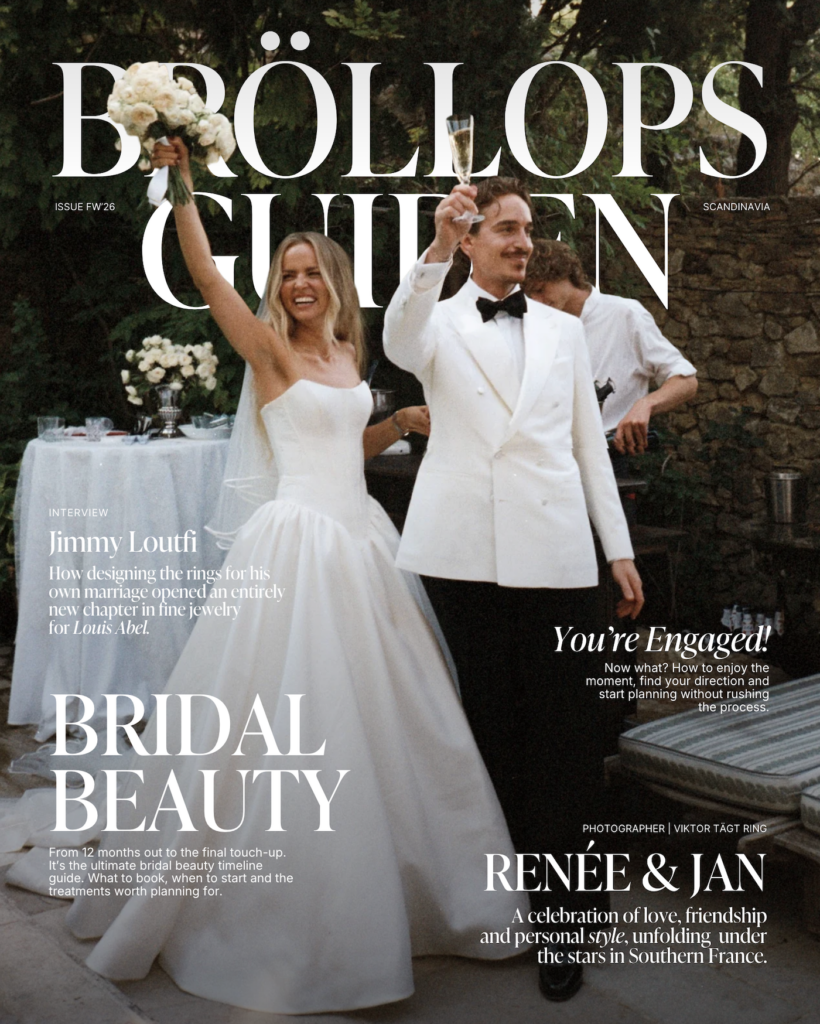
ISSUE FW’26
In our new FW’26 issue, we take you to the south of France and to Renée and Jan’s wedding, which was a celebration of love, friendship and style. We also sit down with Louis Abel founder Jimmy Loutfi for an in-depth interview about how his own wedding rings marked the start of a new chapter in fine jewellery, and look ahead to New York Bridal Fashion Week for the silhouettes, details and ideas that will set the tone for the coming season.
Rings & Jewellery
The Lord of the Rings
The exchange of rings on the wedding day symbolises the end of one journey and the beginning of a new chapter in life.
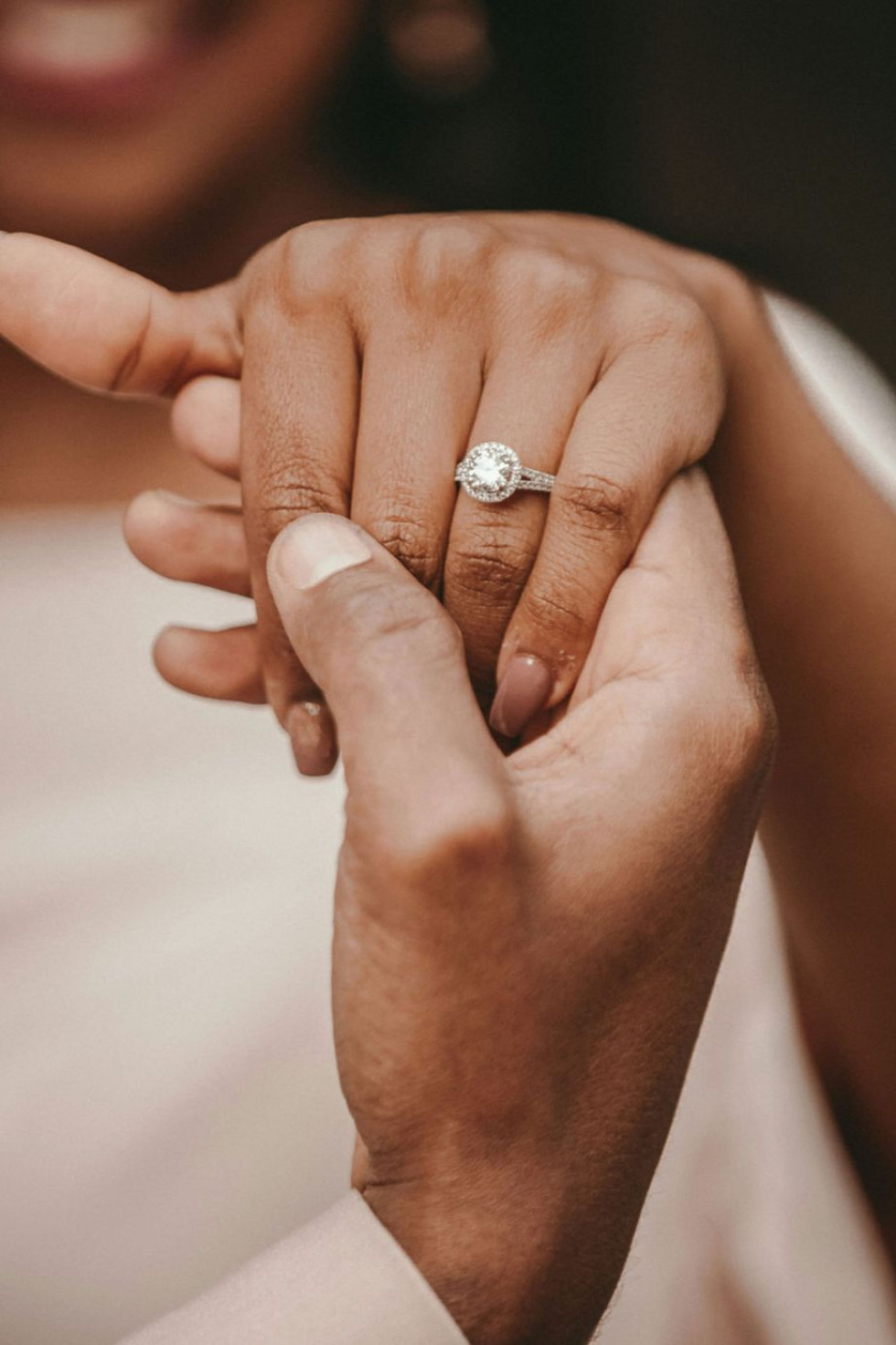


Which hand?
Left-right-right-left. No one knows exactly why newlyweds in some countries wear their wedding rings on the left or right hand. For some couples, the exchange of rings on their wedding day symbolises the end of one journey and the beginning of another. The ring, just like all circles, has neither beginning nor end and represents eternity — just like the love a married couple has for one another. And regardless of religion, culture or location on Earth, almost all married couples wear a ring as a token of a vow they have made. There are a host of fascinating folk tales and traditions, myths and speculations — and probably the odd made-up story or two — about which hand we should wear the world’s most popular piece of jewellery on.
The Vein of Love
The Romans, for example, believed that veins in the fourth finger of the left hand led straight to the heart—the vena amoris (the vein of love)—and thus formed a direct link between the promise and the heart. In other cultures, the opposite was true. Particularly in the East. There, the left hand was considered unclean, and the ring was worn on the right instead. Other traditions suggest that the right hand is the one we use to make promises—through handshakes—which is why some nations wear the wedding ring on the right.
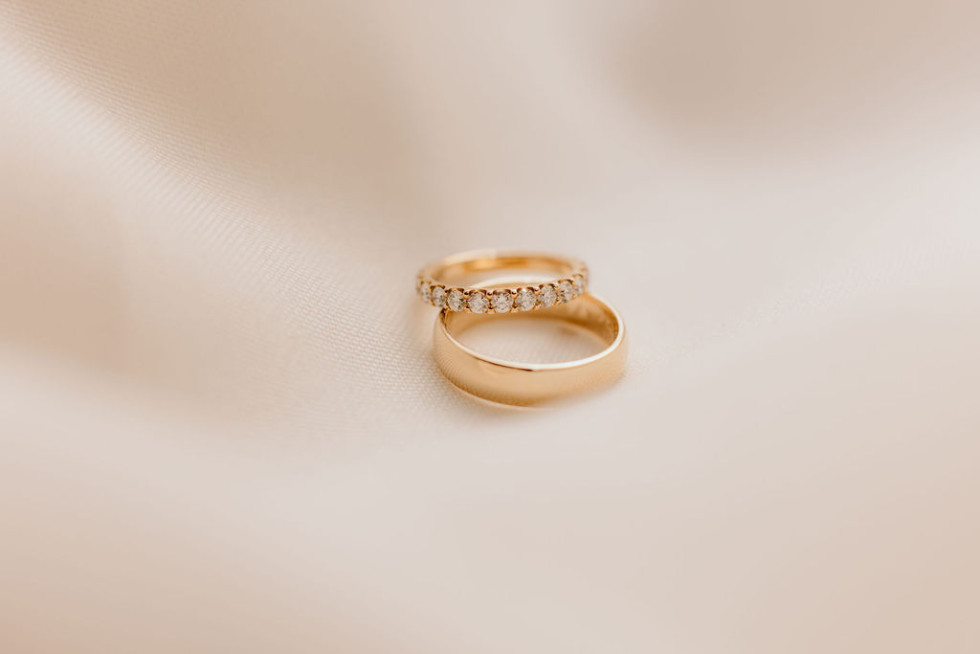
Who does what?
Here in Sweden, we’re used to wearing the ring on the left hand. In Bulgaria, Denmark, Greece, Norway, Russia and Spain, for example, the ring is worn on the right. And in Brazil, Lebanon, Romania, Syria and Turkey, people switch from the right to the left on their wedding day. A much simpler and more modern reason for wearing a wedding ring on the right hand is that one is left-handed and does not want to subject the ring to unnecessary wear and tear.
Modern times
In the US, the man proposes with great pomp and ceremony, often presenting a substantial diamond ring, whilst in Sweden we often decide together that we are going to get married and get matching engagement rings which the groom takes off – and often polishes – on the wedding day before putting it back on during the ceremony. In England, men didn’t start wearing rings until the Second World War, when married soldiers adopted the ring as a symbol of a loved one back home. Today, there are so many different kinds of couples that there isn’t really a ‘right’ hand or even a right finger any more. Many people getting married for the second time also often choose other symbols of commitment, such as tattoos, bracelets and necklaces. In Sweden, some couples even add a third ring when they have their first child.
Related articles
-
 Rings & Jewellery
Josefin Cummings – Design your own rings
Josefin Cummings is a highly passionate master goldsmith who guides her clients through the entire process of creating personalised jewellery
-
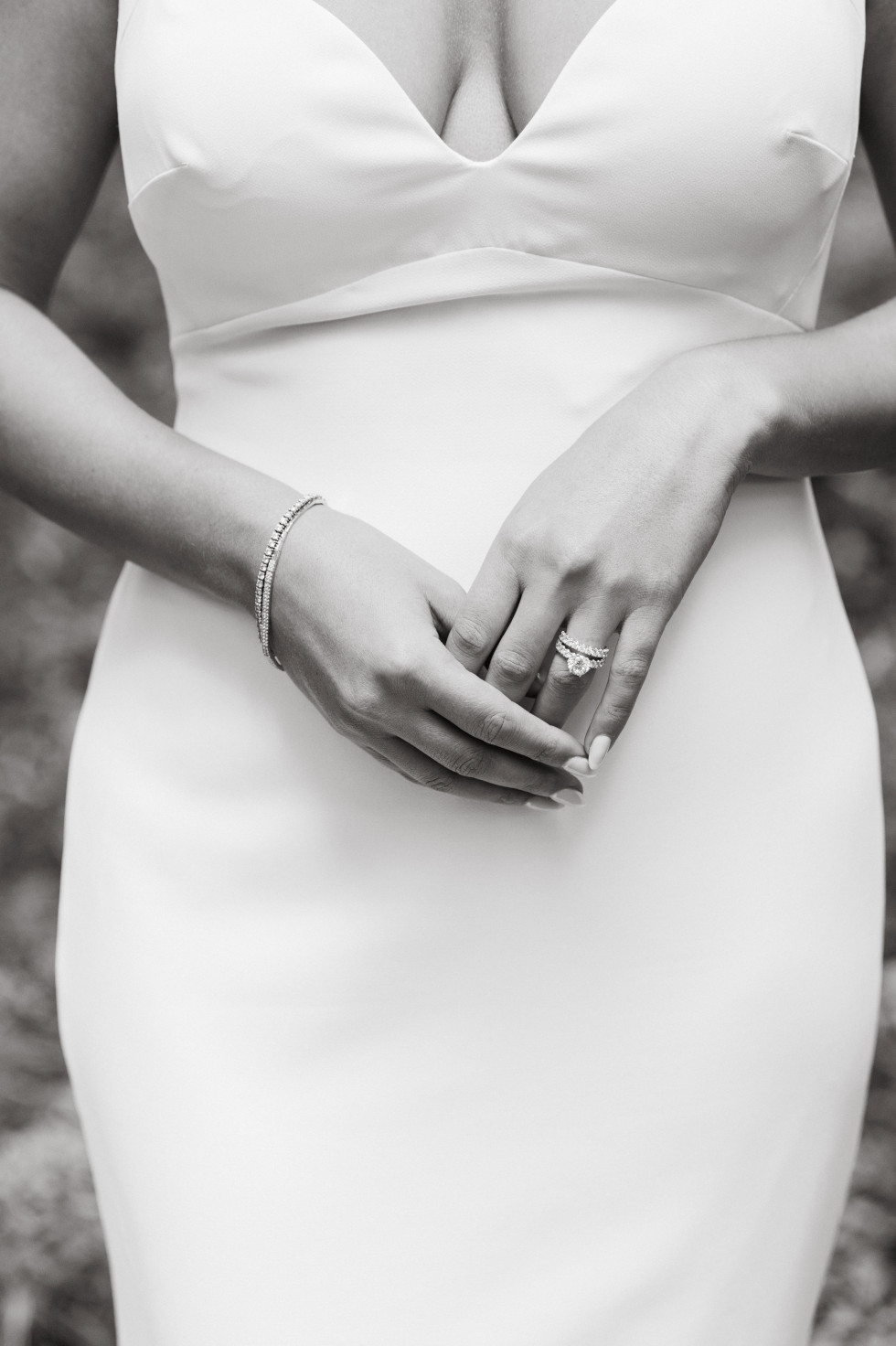 Rings & Jewellery
Lantz creates jewellery with a colourful twist
Creates jewellery with a colourful twist
-
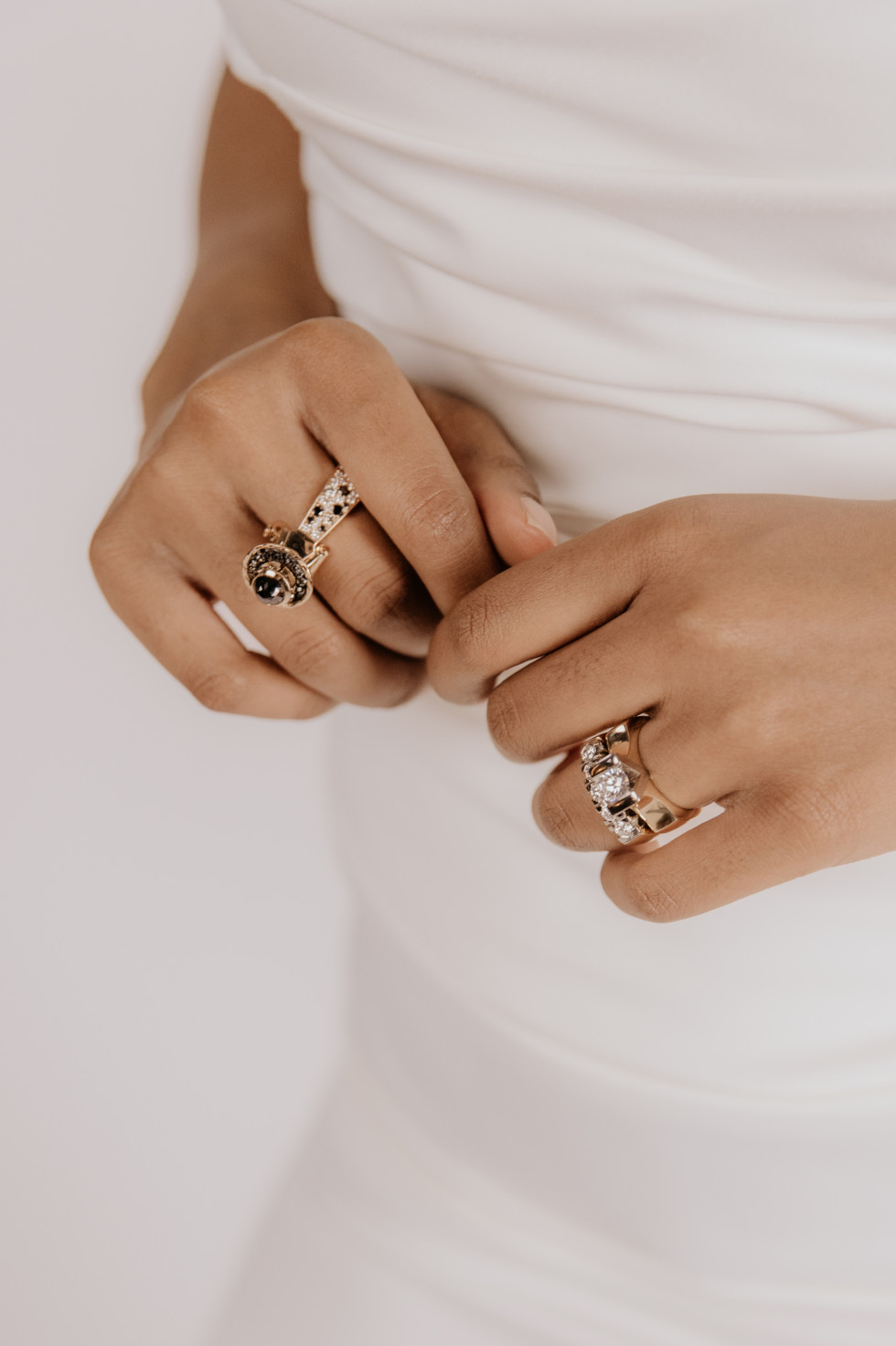 Rings & Jewellery
Personalised wedding rings
“Dare to be personal” – Kristina Johansson, KJ Design
-
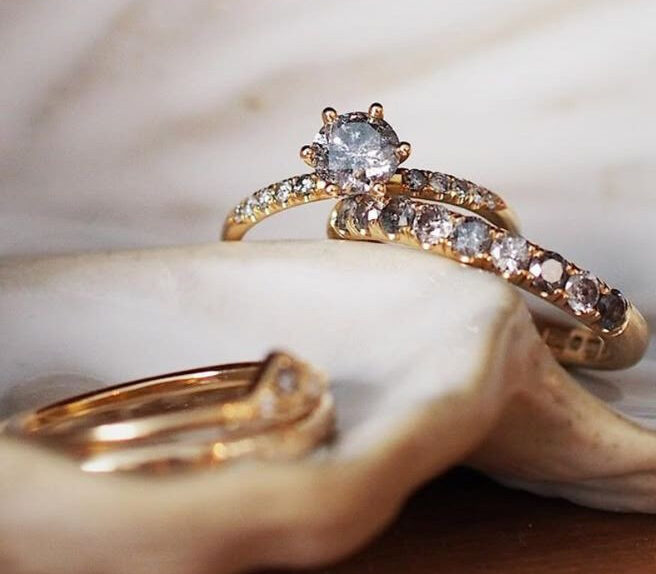 Rings & Jewellery
A visit to the goldsmith Rebecca Bonaparte
A visit to the goldsmith Rebecca Bonaparte – create your own wedding rings.
-
 Rings & Jewellery
The Goldsmith’s Guide
We’ve interviewed Kristina Johansson, a woman with a passion for jewellery. A goldsmith with many years’ experience who shares her top tips!