ISSUE FW’26
In our new FW’26 issue, we take you to the south of France and to Renée and Jan’s wedding, which was a celebration of love, friendship and style. We also sit down with Louis Abel founder Jimmy Loutfi for an in-depth interview about how his own wedding rings marked the start of a new chapter in fine jewellery, and look ahead to New York Bridal Fashion Week for the silhouettes, details and ideas that will set the tone for the coming season.
Rings & Jewellery
The Diamond Guide
Diamonds are not only symbols of wealth and luxury; they also carry a deeper meaning of eternal love and loyalty. They are usually set in jewellery, including engagement rings, where they symbolise the eternal promise of love and loyalty.
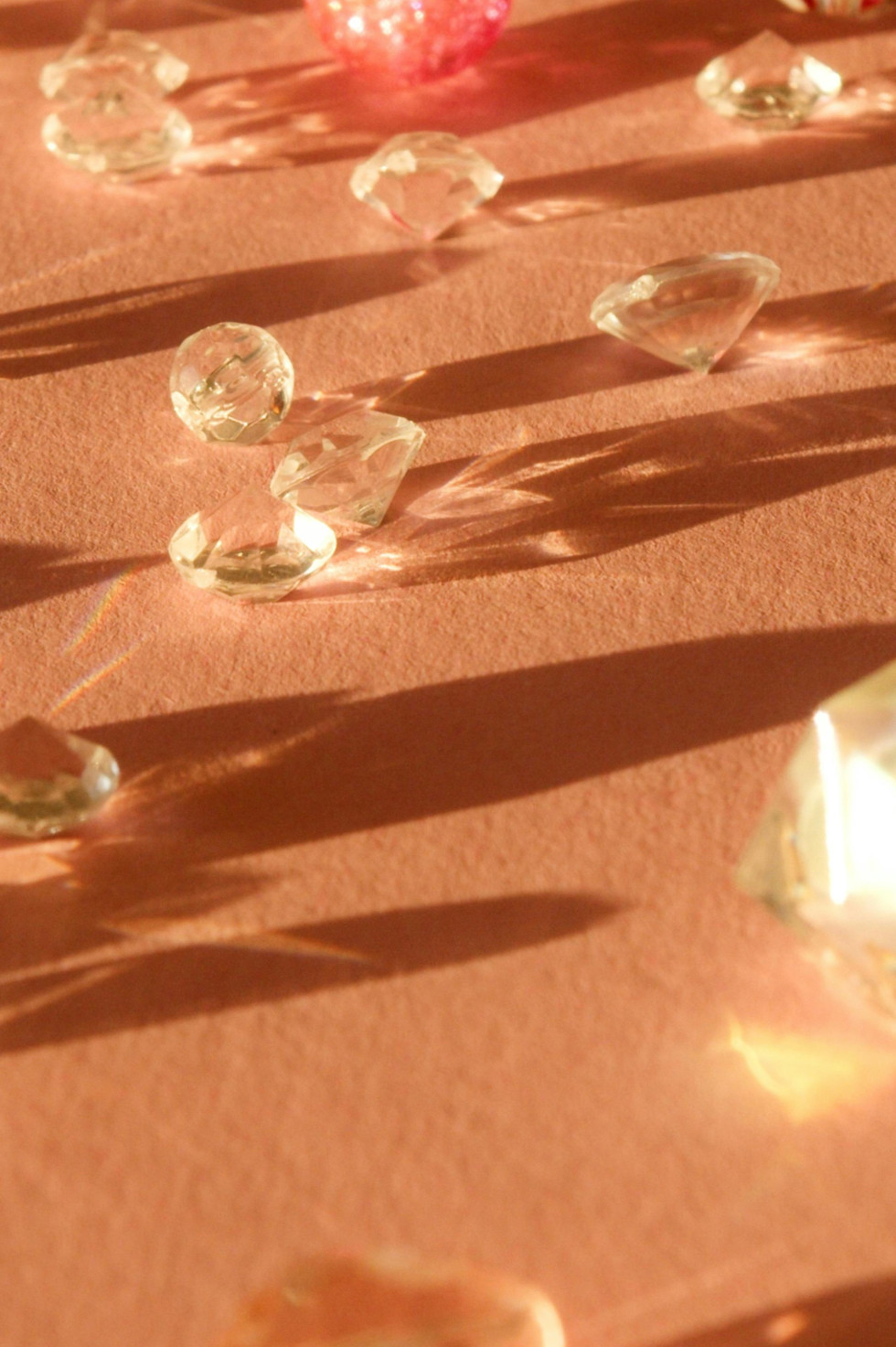


There are different types of diamonds – lab-grown and natural – but which ones should you buy? What is the symbolism behind diamonds?
Diamonds are not only symbols of wealth and luxury, but they also carry a deeper meaning of eternal love and loyalty. They are usually set in jewellery, including engagement rings, where they symbolise the eternal promise of love and loyalty.
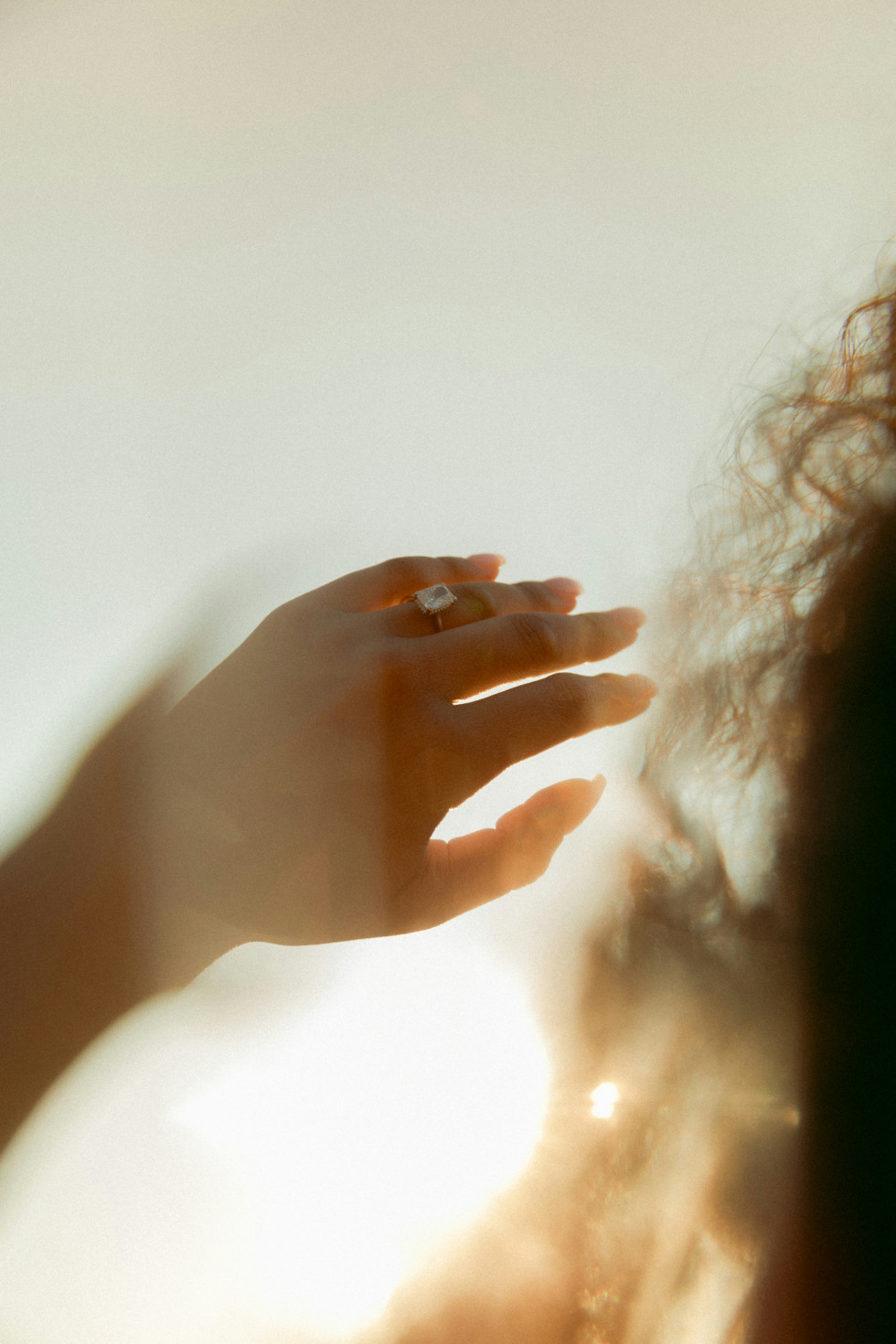
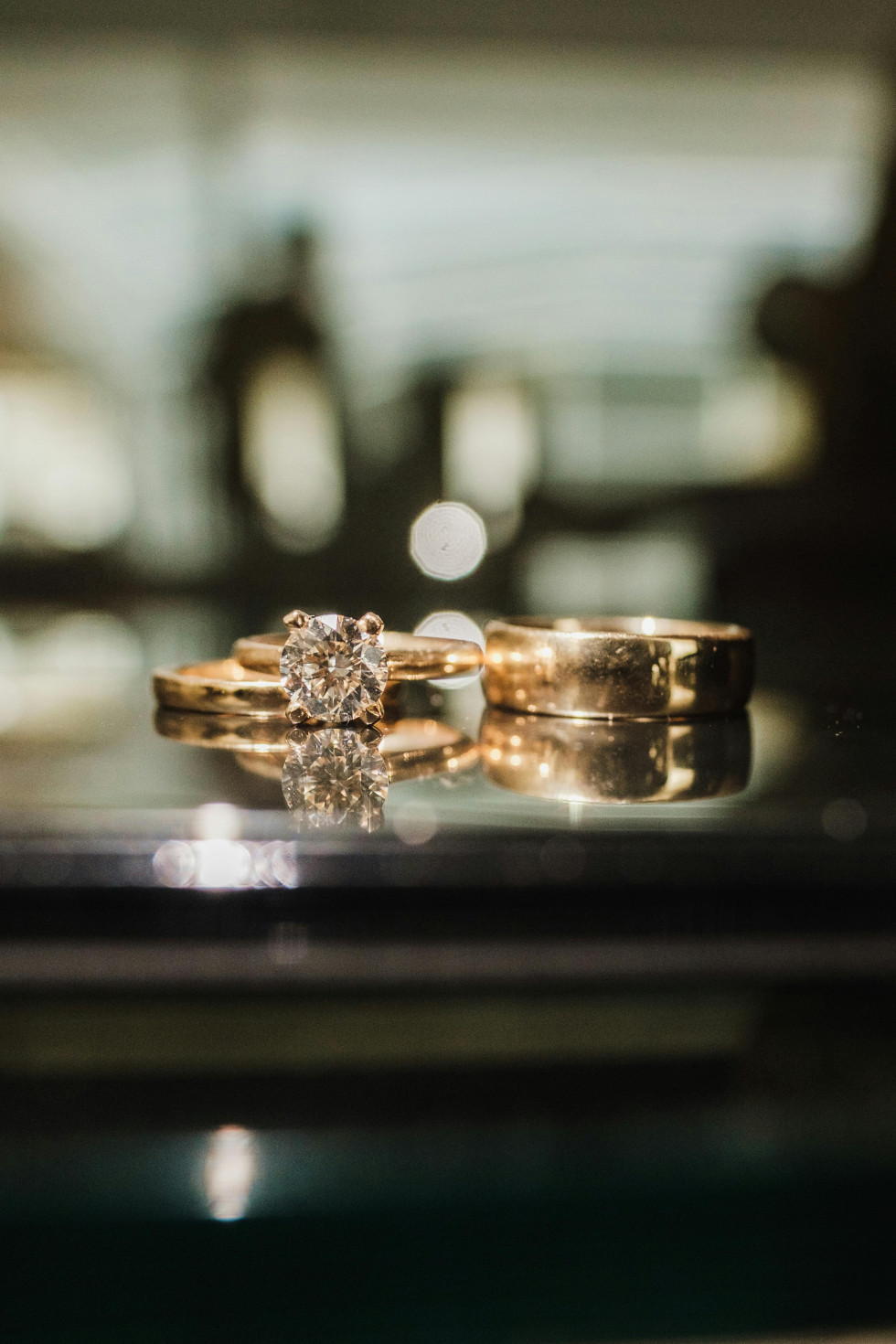
What is the difference between a real diamond and a lab-grown diamond?
Natural diamonds are formed deep within the Earth; they are a form of carbon that has been compressed under high pressure and at high temperatures over a long period of time – the youngest natural diamonds we have are nearly a billion years old. The diamond is the hardest natural material known to us. It also has exceptional light-refracting properties (a diamond’s sparkle is the result of how light behaves when it strikes the diamond and how it is then refracted and reflected); it comes in all colours: pink, yellow, blue, red and black. Synthetic diamonds actually have the same chemical properties as natural diamonds. They are therefore made up of the same molecules as natural diamonds. However, they are manufactured in a factory where the conditions under which natural diamonds are formed have been replicated. These can be produced in a very short time: small ones take just a few days, slightly larger ones a few weeks. As in nature, it is a combination of high pressure and high temperature that shapes carbon atoms into a diamond. The first synthetic diamonds were produced in the 1950s for industrial use. It is only in recent years that manufacturers of synthetic diamonds have created stones capable of competing with natural diamonds. Diamonds are not only symbols of wealth and luxury, but they also carry a deeper meaning of eternal love and loyalty. They are usually set in jewellery, including engagement rings, where they symbolise the eternal promise of love and loyalty.
Can you tell the difference between a synthetic and a natural diamond?
Synthetic diamonds therefore have the same chemical properties as natural diamonds but display different and distinguishable growth patterns. This cannot be seen with the naked eye, but there are various instruments that can determine with certainty whether a stone is a natural diamond or not. Older synthetic diamonds (manufactured in the 1980s and 1990s) are often magnetic, which is easy to test even if the stone is set in a precious metal. Natural diamonds are never magnetic.
Why are real diamonds worth more?
Throughout history, we humans have coveted what is hard to come by. The relative rarity of natural diamonds is therefore what makes them so valuable. Admittedly, there are plenty of diamonds, but only a small proportion of them are considered suitable for jewellery. As, in principle, an unlimited number of synthetic diamonds can be produced, the pricing structure is completely different from that of natural diamonds and depends on various factors and different suppliers.
Which are the best to buy from an environmental perspective?
This is a difficult question to answer. For one thing, there are different production methods for both natural and synthetic diamonds, and they all have different environmental impacts. One must also distinguish between rough diamonds (both synthetic and natural) and the finished product (the cut diamond). Subsequent processes such as cutting and polishing must be factored into the equation. Transparency is key – so ask questions when buying your diamonds. Whether the stones are natural or synthetic, it is important that they have been produced in a way that is both ethical and environmentally sustainable.
Related articles
-
 Rings & Jewellery
Wedding ring trends for 2026: From Toi et Moi to teal sapphires
Forget the idea that an engagement ring has to look a certain way. If 2024 was all about minimalism and 2025 about lab-grown giant diamonds,…
-
 Rings & Jewellery
Ring size guide: How to measure correctly (without them noticing) 2026
You’ve found the engagement ring of your dreams – but how do you ensure that the next ring not only complements it, but actually enhances…
-
 Rings & Jewellery
Gold or platinum wedding rings? A guide to metals and recycled gold 2026
The dress is worn for a day, the party lasts one evening – but the ring will be on your finger every day for the…
-
 Rings & Jewellery
Life with your ring: A guide to care, insurance and maintenance
A wedding ring is a symbol of love and a piece of jewellery intended to be worn every day, year after year. With the right…
-
 Rings & Jewellery
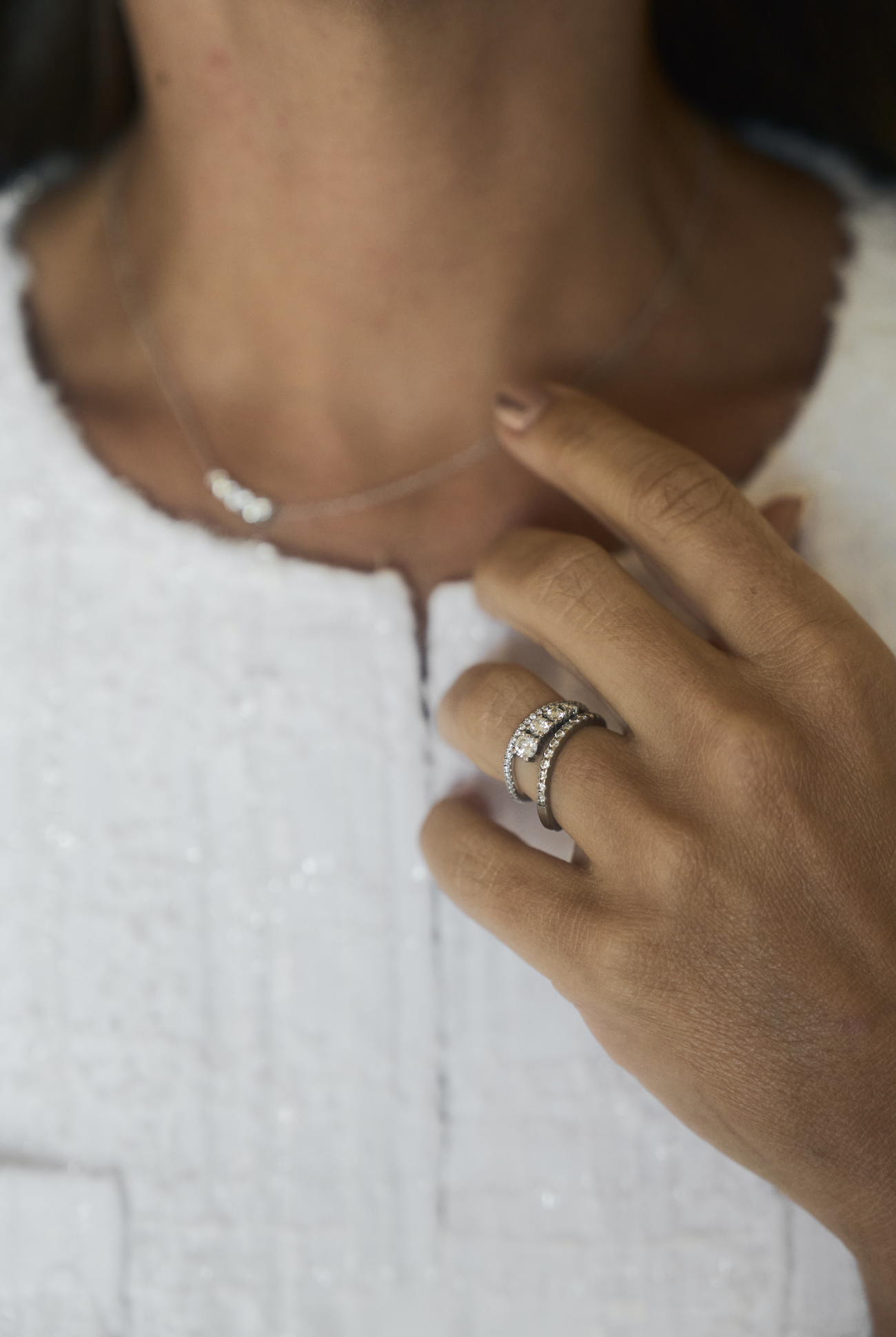
Soft power – the bride’s new look
Jewellery sets are back. Once worn by royalty, they have now been reimagined in the Isabelle Collection from Mumbai Stockholm, in collaboration with stylist Isabelle…