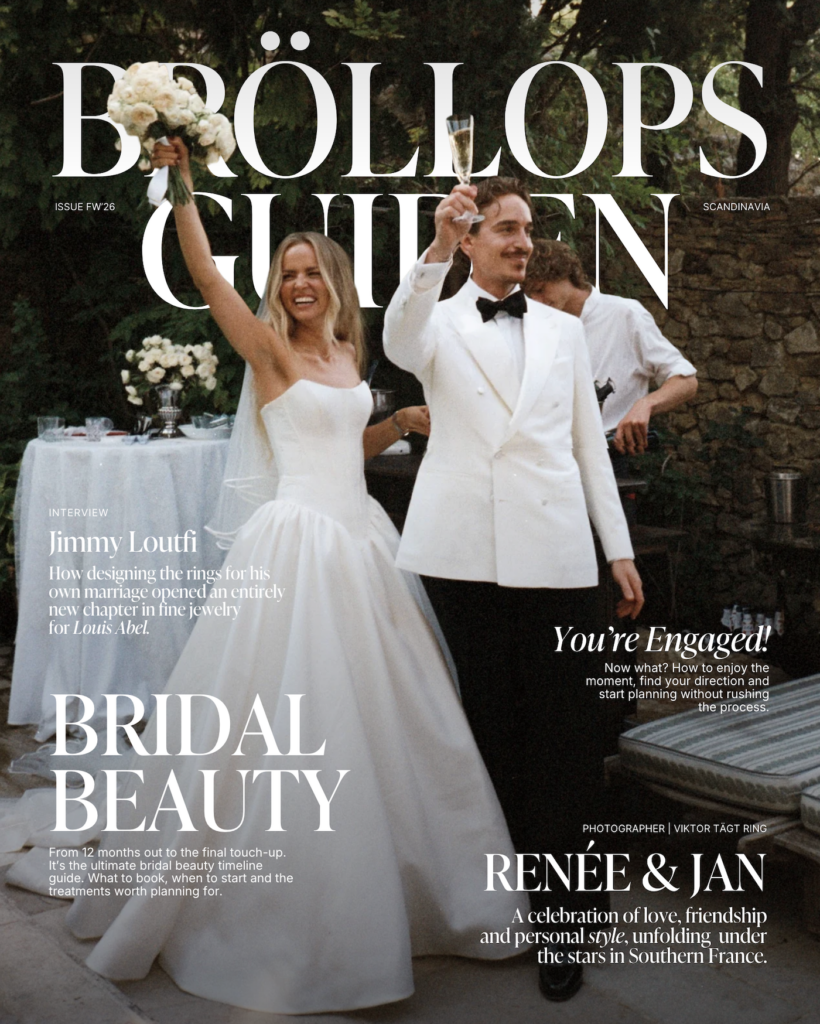
ISSUE FW’26
In our new FW’26 issue, we take you to the south of France and to Renée and Jan’s wedding, which was a celebration of love, friendship and style. We also sit down with Louis Abel founder Jimmy Loutfi for an in-depth interview about how his own wedding rings marked the start of a new chapter in fine jewellery, and look ahead to New York Bridal Fashion Week for the silhouettes, details and ideas that will set the tone for the coming season.
Rings & Jewellery
Gold or platinum wedding rings? A guide to metals and recycled gold 2026
The dress is worn for a day, the party lasts one evening – but the ring will be on your finger every day for the rest of your life. In 2026, choosing a metal is about more than just colour; it’s about durability, maintenance and a growing demand for ethical sourcing. Here’s what you need to know to make the right choice for your particular lifestyle.
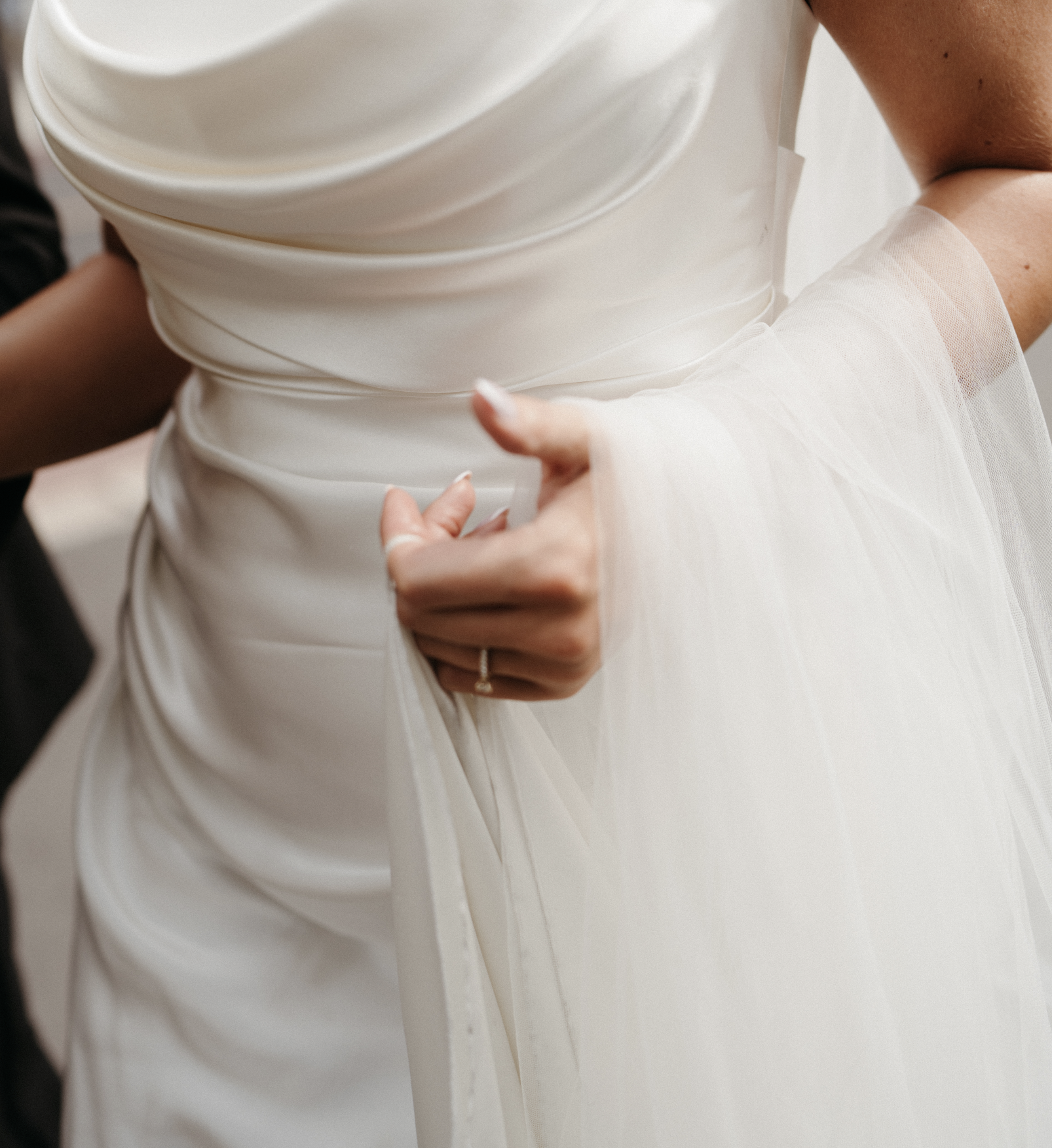


Choosing a wedding ring in gold or platinum is one of the most important decisions you’ll make for the future. When we speak to couples today, we notice a clear trend: they want a ring that will stand the test of time. We exercise whilst wearing our rings, we work in the garden, we cook and we travel. The metal you choose determines not only what the ring looks like when you say ‘I do’, but also what it looks like when you celebrate your silver wedding anniversary. In this guide, we also take an in-depth look at the benefits of choosing sustainable options such as recycled gold.
Gold – The timeless classic (but which carat?)
Gold remains the most popular choice, but by 2026 we’ll see a shift in how people view purity and sustainability.
- 18 carat (the Swedish standard): In Sweden, 18k gold has long been the norm. It consists of 75 per cent pure gold and 25 per cent other metals (alloy) to make it harder. It gives that classic, warm golden hue we love and has a high investment value.
- 14-carat (the tougher option): More and more people are now choosing 14k. Why? It contains less pure gold, which makes the metal harder and more resistant to scratches. For those with an active profession or who exercise a lot, 14k may be the smarter choice.
- Recycled gold: By 2026, this will be virtually an industry standard. Choosing a jeweller who works with recycled gold means that no new mining is required for your ring – a given for the modern couple.
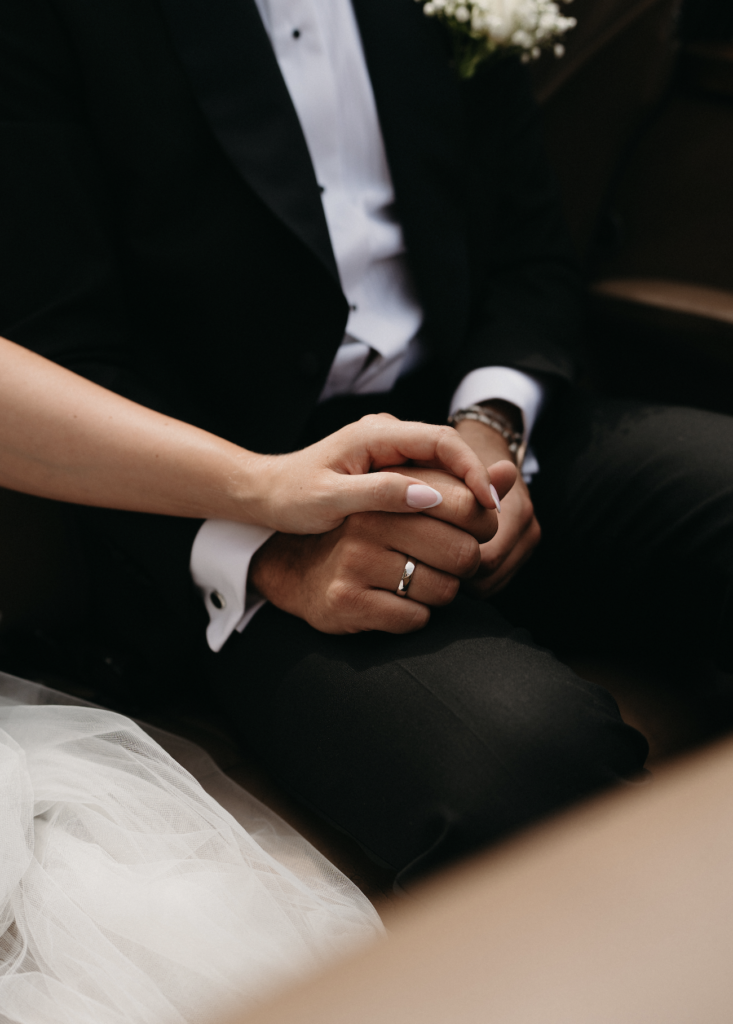
White gold vs. platinum – what’s the difference, really?
Many people want a ‘silver-white’ metal, but the choice between white gold and platinum is crucial in determining how much maintenance you’re prepared to carry out.
- White gold: Is essentially yellow gold mixed with white metals. To achieve that high-gloss, cool finish, the ring is dipped in rhodium (a process known as rhodium plating). The problem? This coating wears off over time. Expect to have your ring rhodium-plated every two or three years to prevent it from looking ‘yellowed’.
- Platinum: The big winner of 2026. Platinum is naturally white and never needs to be re-coloured. It is also heavier, rarer and extremely durable. If you scratch a platinum ring, the metal simply shifts rather than being scraped off, meaning the ring does not lose mass over the years. It is more expensive, but for many people, the lack of maintenance is well worth it.
Metals of the future and hypoallergenic options
For couples looking for something other than traditional precious metals, or who have sensitive skin, there are alternatives that have become very popular in 2026.
- Titanium and palladium: Both are extremely lightweight and hypoallergenic. Titanium is virtually impossible to scratch but has one drawback: it is very difficult (sometimes impossible) to resize retrospectively.
- Green gold and Fairmined: It’s not about the colour, but about the certification. Knowing exactly which mine the gold comes from and that working conditions there are fair is a priority for many couples today.
How do you choose? (The editorial team’s checklist)
Before you make up your mind, ask yourself these three questions:
- What’s your everyday life like? Do you do a lot of manual work? Choose a harder metal such as 14k gold or platinum.
- Do I want to send the ring in for maintenance? If the answer is no, avoid white gold and go for platinum or classic yellow gold.
- How important is the weight? Some people love the feel of a heavy platinum ring, whilst others prefer to barely feel it on their finger (in which case titanium or gold is better).
Worth bearing in mind: Different metals wear differently. If you plan to wear your engagement ring and wedding ring on the same finger, they should be made of the same metal (e.g. both in 18-carat gold). Otherwise, the harder metal will slowly but surely ‘wear down’ the softer one.
Further reading
Now that you’ve decided whether to choose a wedding ring in gold or platinum, how do you ensure you get the most ‘bling’ for your budget?
Related articles
-
 Rings & Jewellery
Don’t be afraid to go all out!
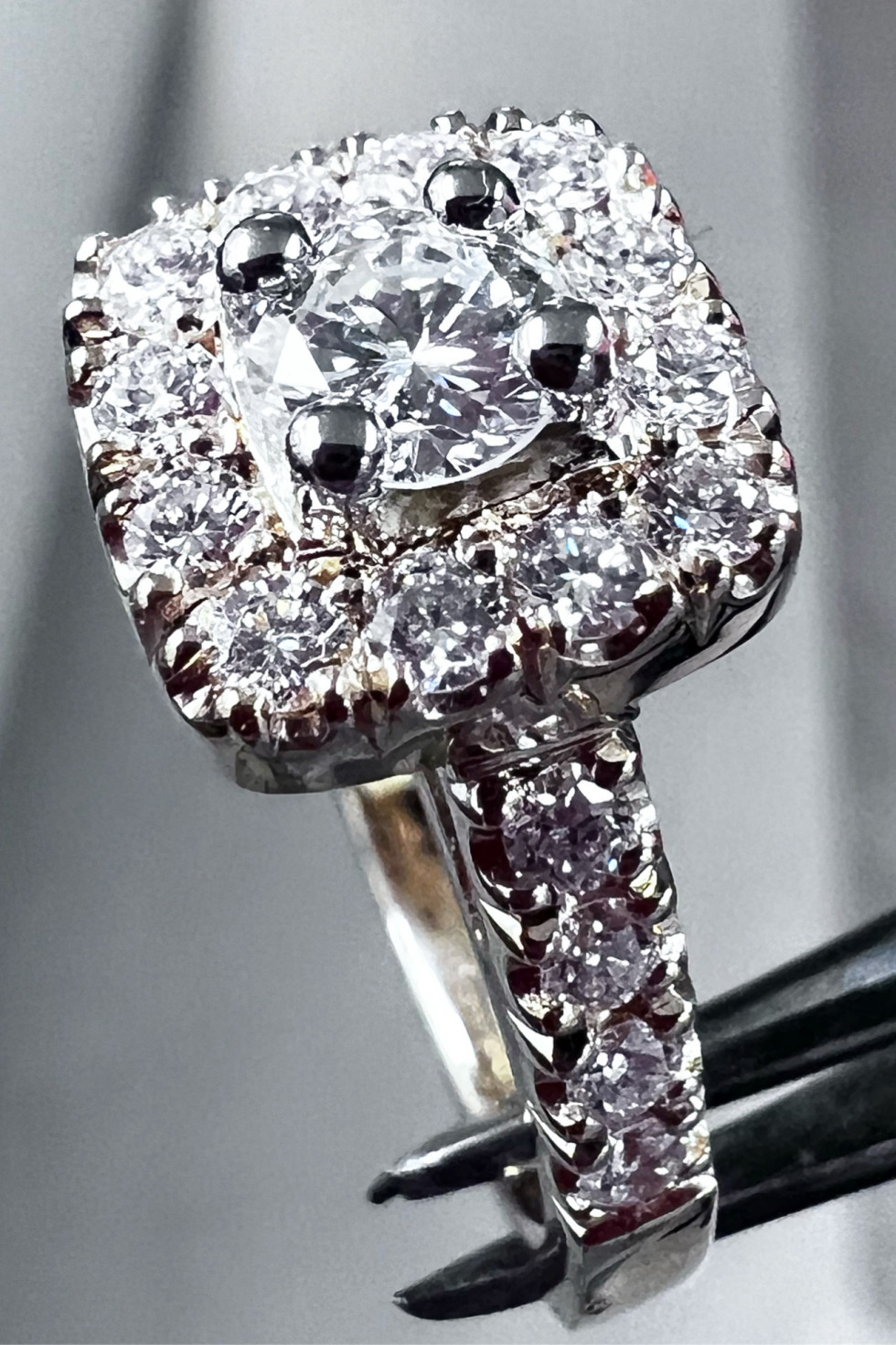
White diamonds are the classic choice for a wedding ring – but did you know that diamonds come in all colours? And that you can…
-
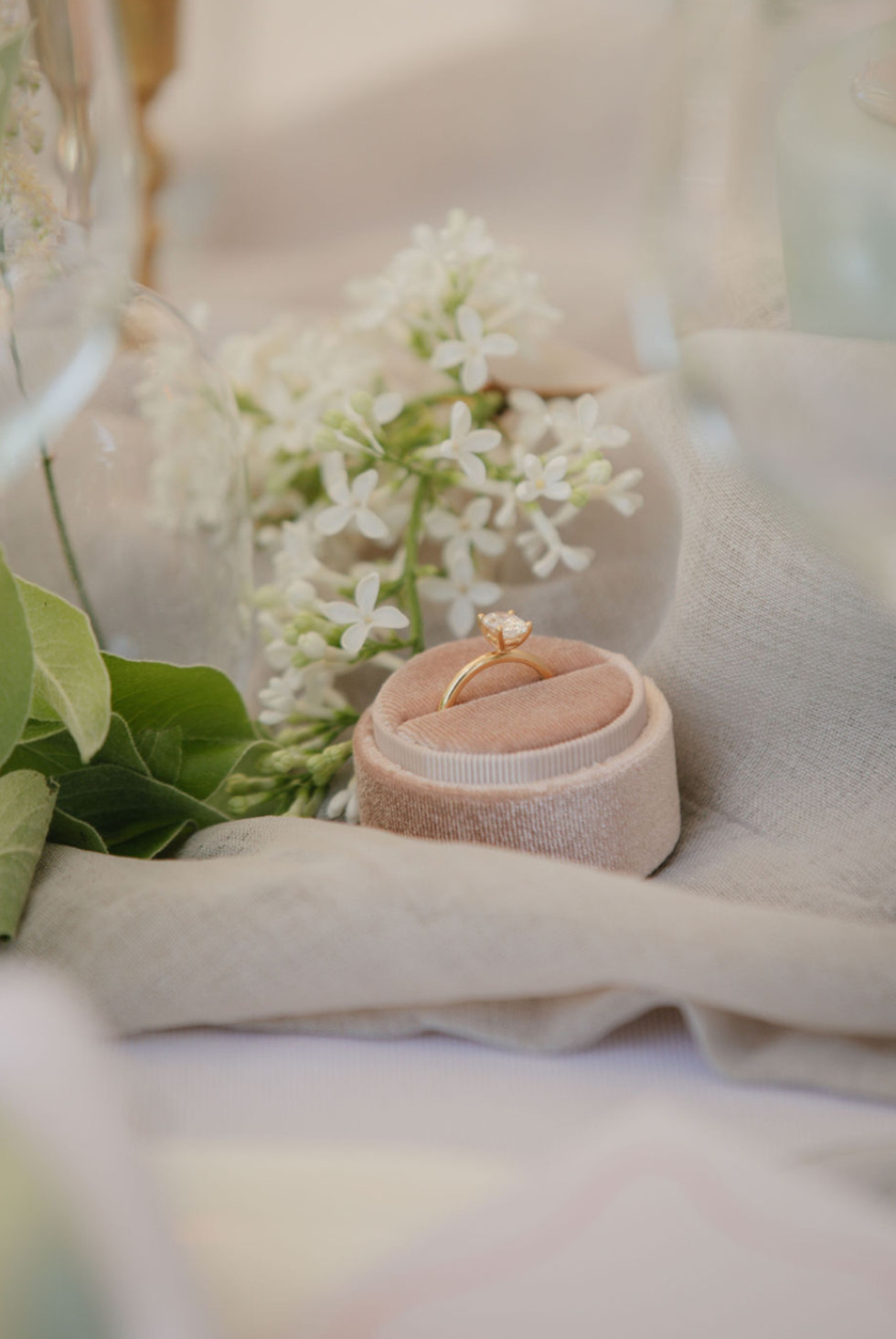 Rings & Jewellery
Bröllopsguiden recommends selected jewellers for your dream wedding
Bröllopsguiden recommends three selected jewellers for your wedding – personalised craftsmanship, sustainable materials and rings that tell your love story.
-
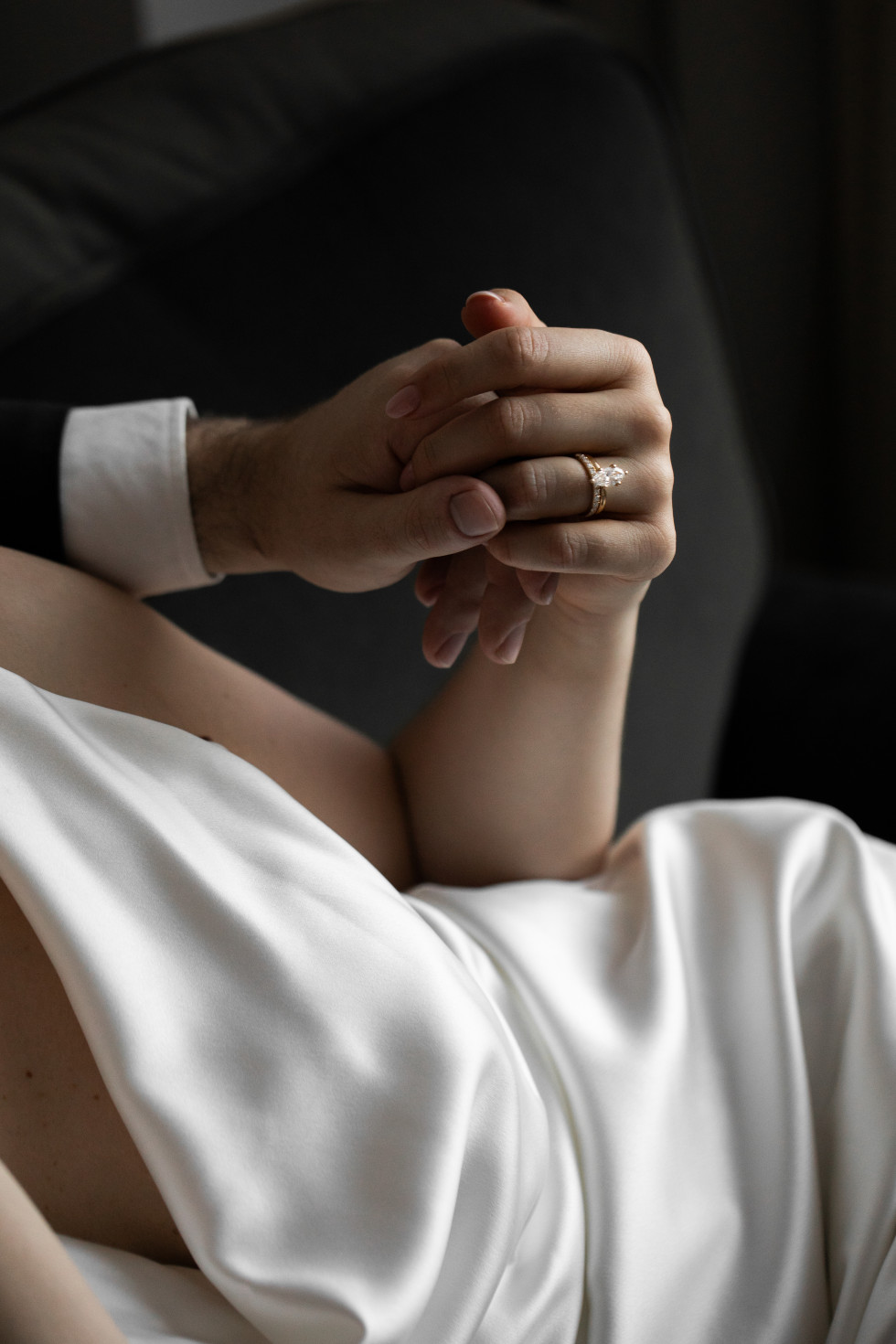 Rings & Jewellery
5 things modern women look for in a diamond ring – insights from the team behind the acclaimed KARAAT Jewelry
Discover what modern women value most in a diamond ring – ethics, style and quality – with lab-grown diamonds from KARAAT Jewelry.
-
 Rings & Jewellery
Choosing a diamond for an engagement ring – a comprehensive guide with expert tips
Choose the right diamond for your engagement or wedding ring with expert advice from Bröllopsguiden. Secure, beautiful and with a focus on quality and authenticity…
-
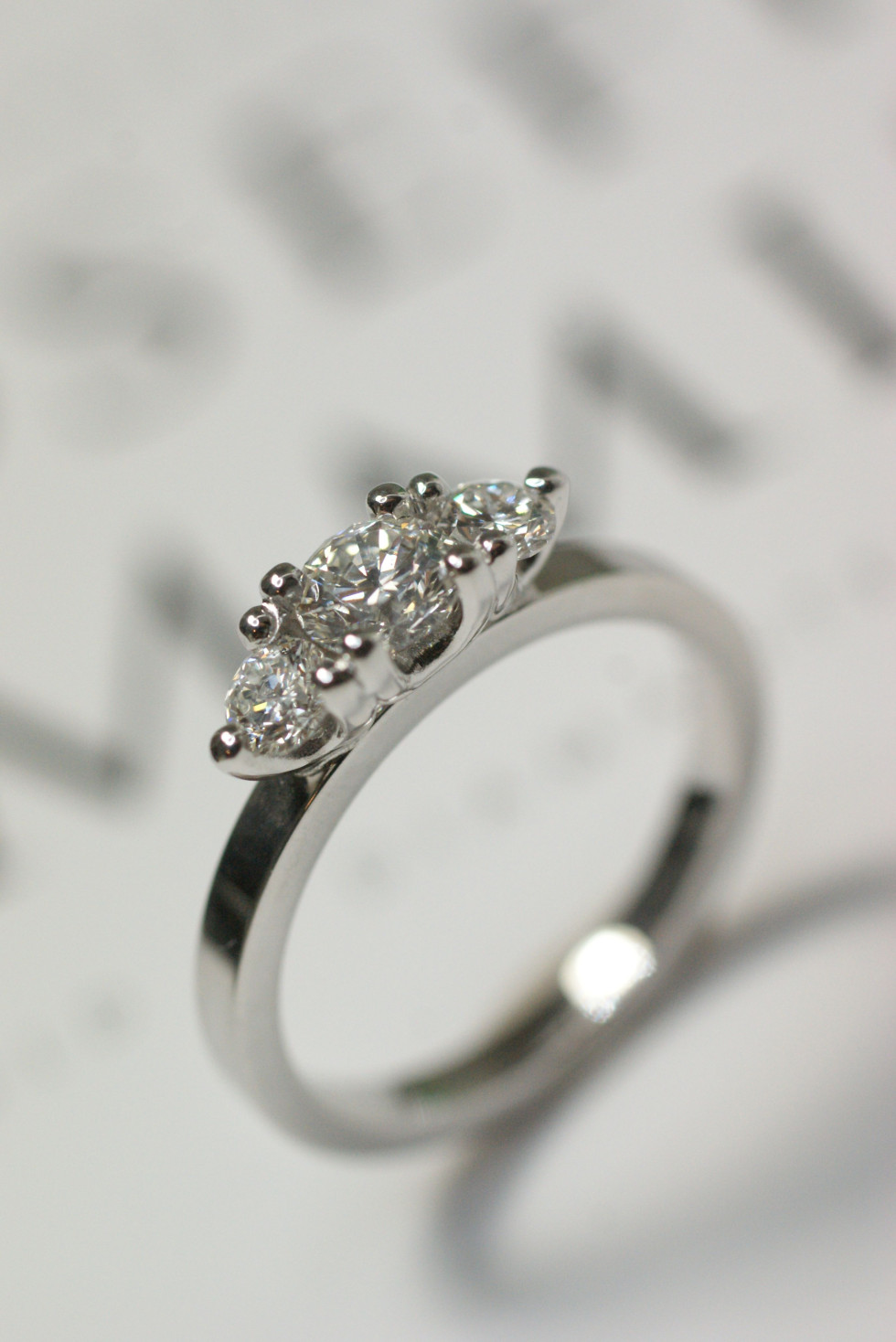 Rings & Jewellery
Josefin Cummings – Design your own rings
Josefin Cummings is a highly passionate master goldsmith who guides her clients through the entire process of creating personalised jewellery