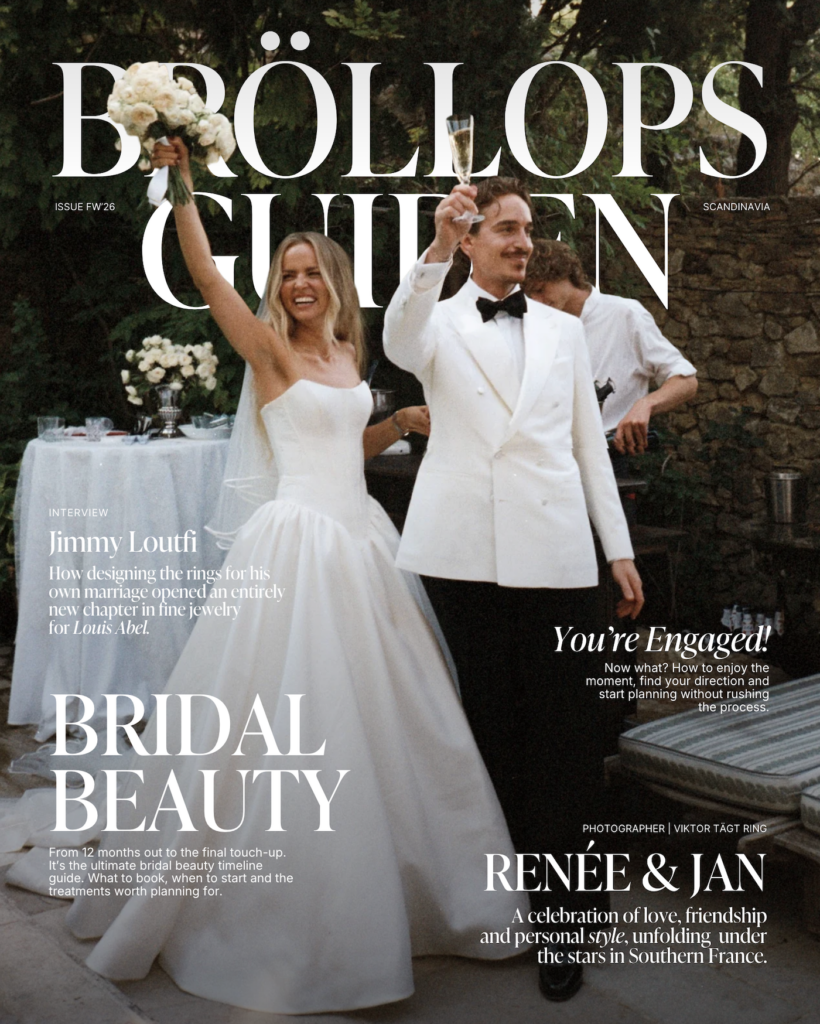
ISSUE FW’26
In our new FW’26 issue, we take you to the south of France and to Renée and Jan’s wedding, which was a celebration of love, friendship and style. We also sit down with Louis Abel founder Jimmy Loutfi for an in-depth interview about how his own wedding rings marked the start of a new chapter in fine jewellery, and look ahead to New York Bridal Fashion Week for the silhouettes, details and ideas that will set the tone for the coming season.
Fashion
History and origins
The origins of the bridal gown and the fascinating evolution of the wedding dress from ancient times to the present day.


The Wedding Dress Through the Ages – From Ancient Times to the Modern Day
Walking down the aisle in a romantic, white silk dress is a dream for many brides. But have you ever wondered where this tradition comes from? The wedding dress has a long and fascinating history stretching back through the centuries, and it has constantly evolved in step with society. Here we take a look at how bridal attire has developed from the Middle Ages to today’s modern weddings.
Medieval brides – Symbolism and tradition
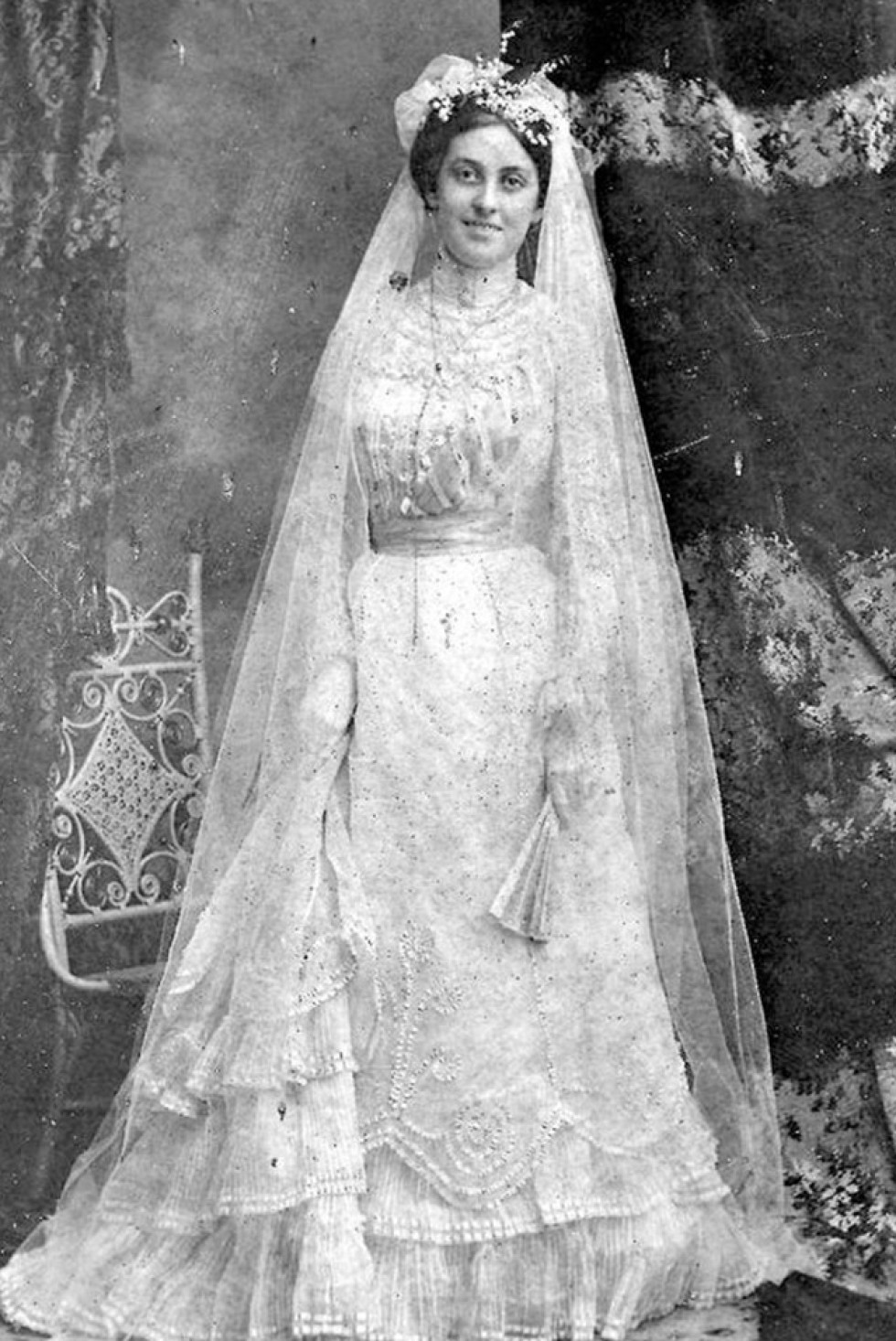
During the Middle Ages, the first written accounts of wedding celebrations began to appear. Sweden was Catholic at this time, and the bridal crown became a strongly symbolic feature. The crown symbolised purity and could only be worn by a bride who was ‘unblemished’. There were many superstitions associated with the bridal crown, and it was even believed to turn black if the bride did not live up to her reputation for chastity, which could cause a major scandal.
The bride’s attire in the Middle Ages varied depending on her economic status. Those who could afford it often wore dresses adorned with gold jewellery and precious stones to protect against evil forces and display their wealth. This desire to display one’s splendour lives on to this day.
The 18th and 19th centuries – Colour and floral wreaths
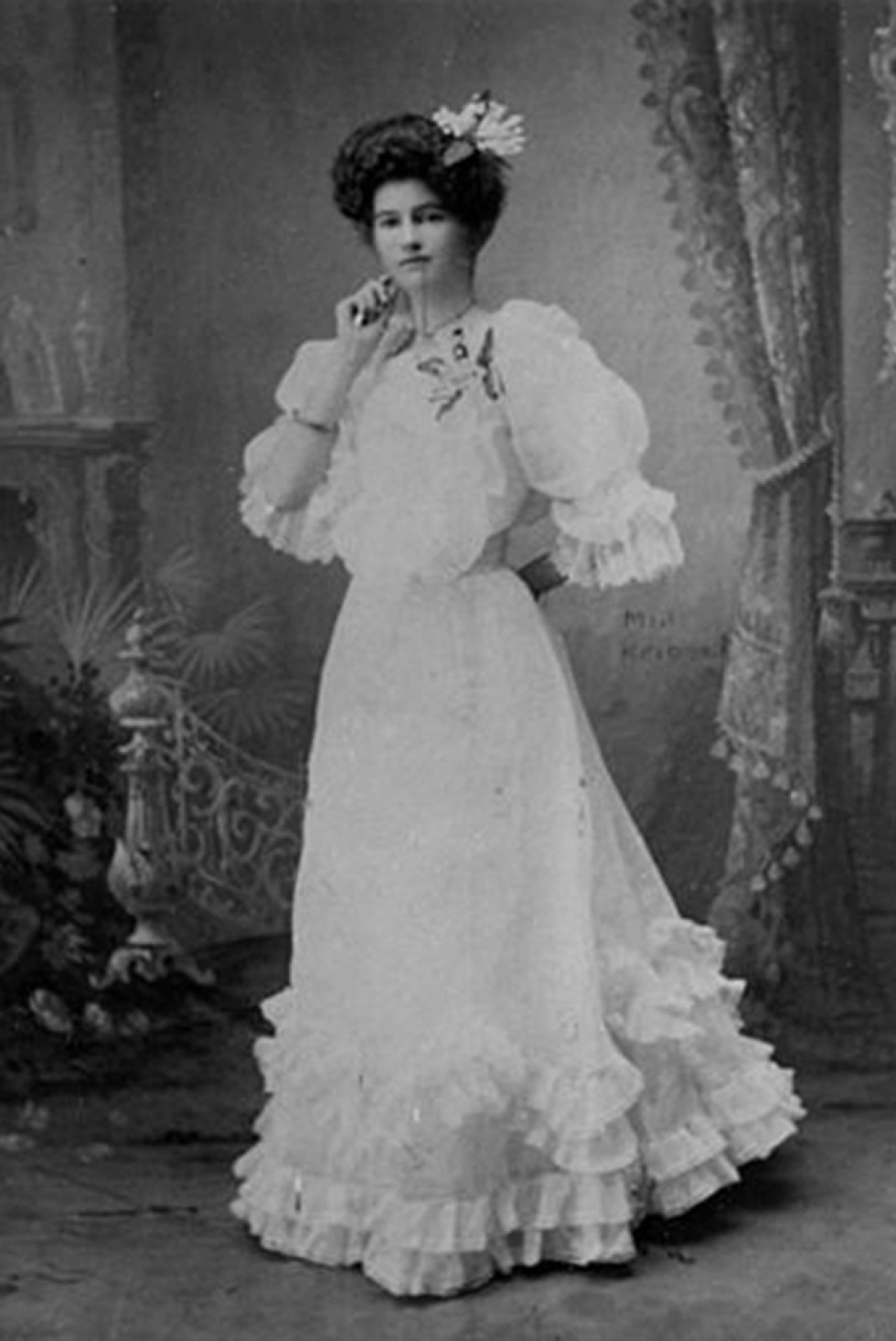
During the 18th and 19th centuries, brides from the peasantry often wore their traditional parish costumes, adorned with flowers, pearls and silver jewellery. The more decorations, the better! Brides who were virgins were allowed to wear a crown, which was adorned with paper or fabric flowers. Among the higher social classes, such as the nobility, the dresses were lavish and came in a variety of colours. However, white began to gain popularity in the early 19th century, inspired by French traditions. White symbolised innocence, and the dresses were decorated with orange blossoms – a sign of fertility.
The 20th century – The wedding dress revolution
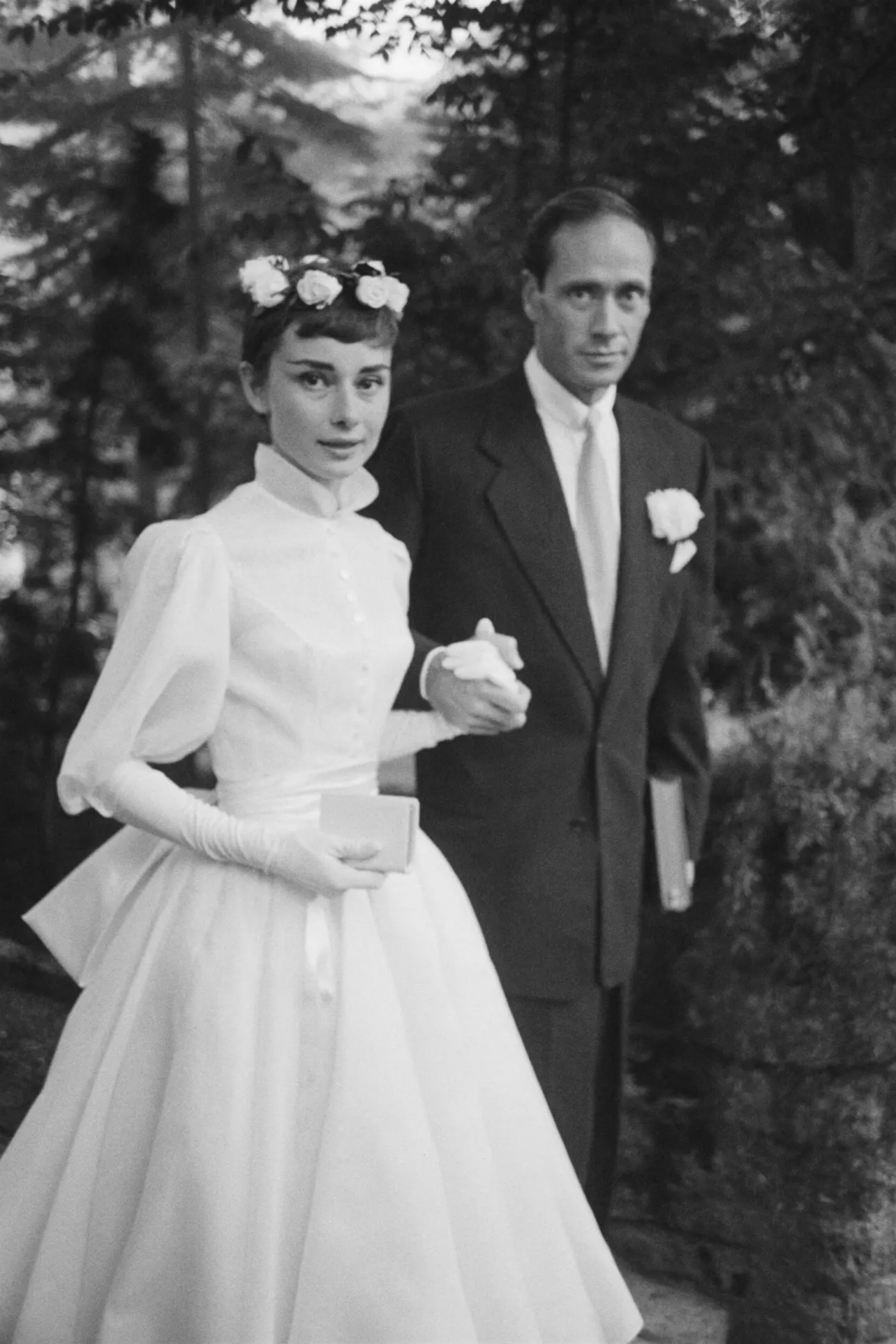
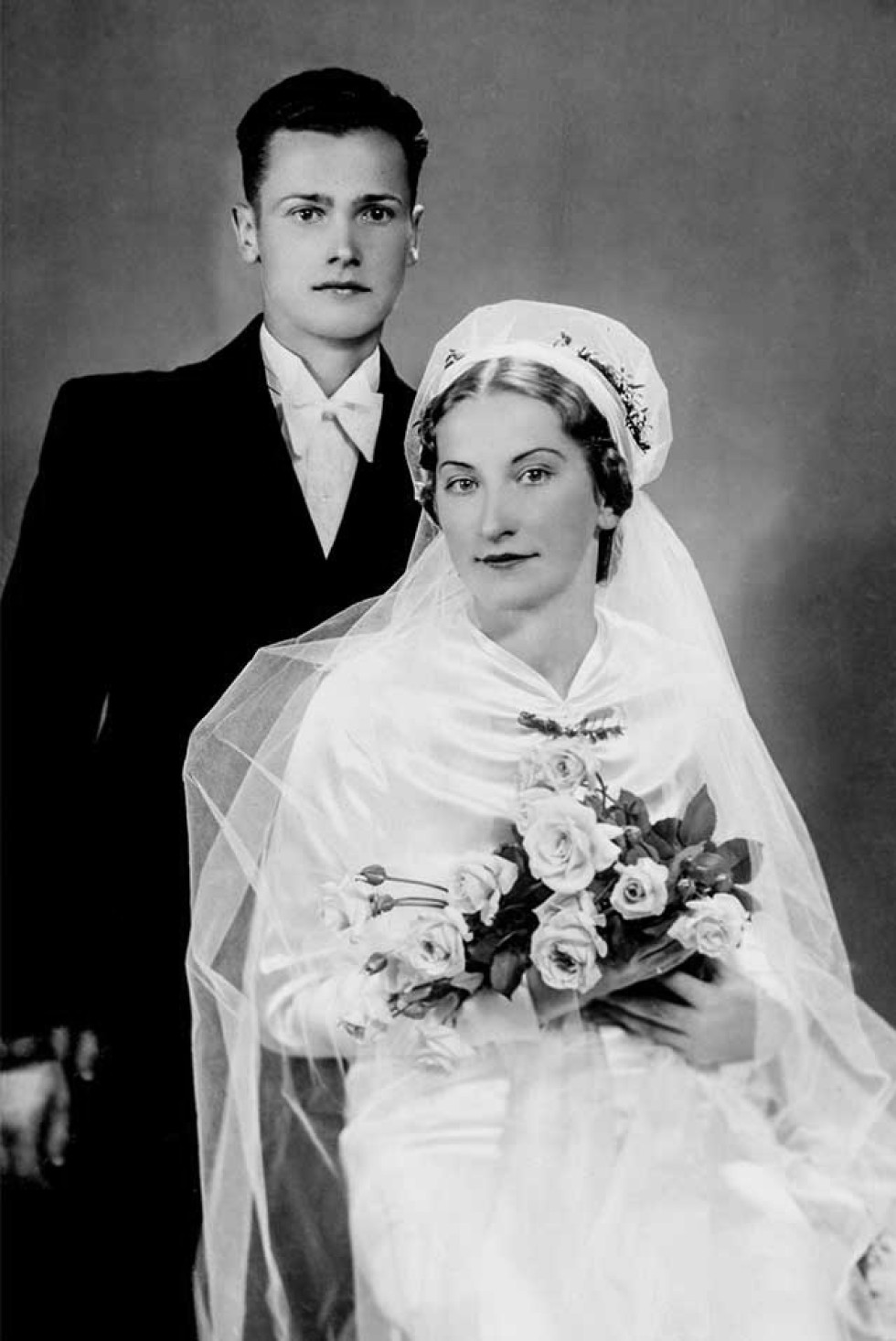
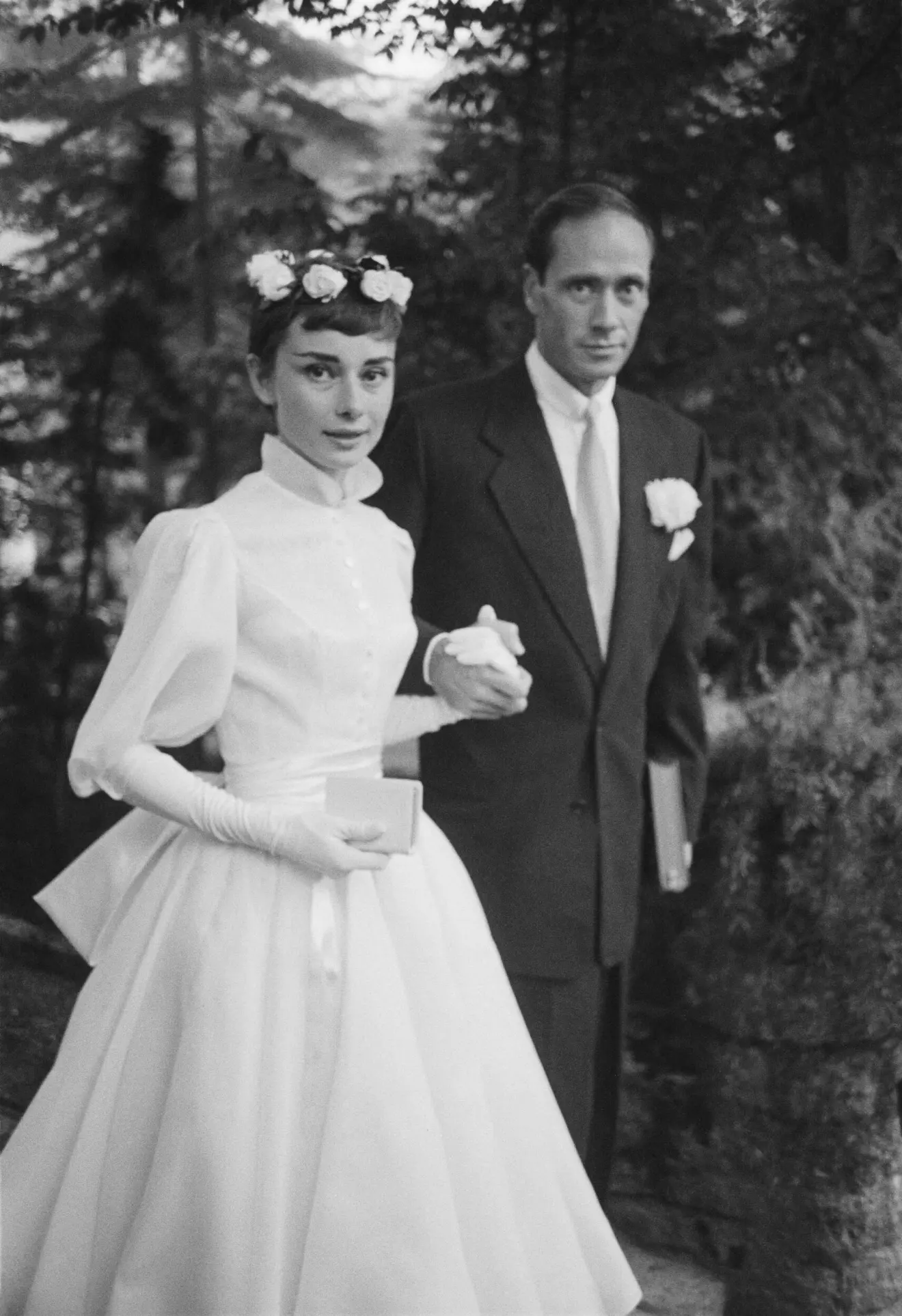
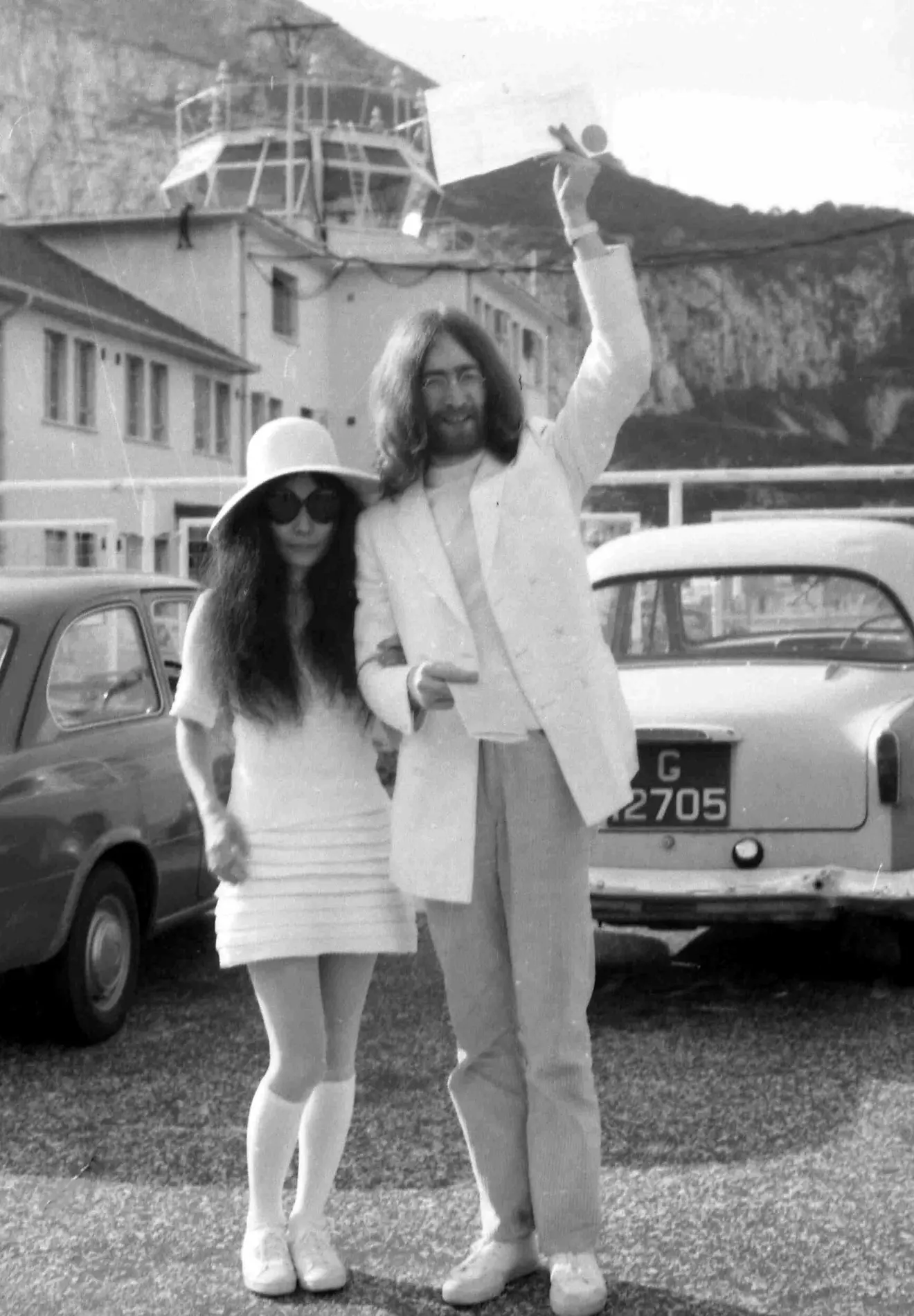
It was not until the 1920s that white wedding dresses became accessible to everyone, not just the wealthy. In the 1960s, shorter dresses became popular, whilst the 1970s were characterised by more relaxed bridal wear. The 1980s saw a return to opulent dresses with pearls and embroidery, and towards the end of the century we began to see a trend towards simple, clean lines reminiscent of 1930s styles.
Fabrics have also changed over the years. From precious chiffon and silk in the early 1900s to synthetic materials such as rayon from the 1950s onwards. Today, we are seeing a return to natural fabrics such as silk and satin.
The Bride’s Accessories
The bride’s accessories have always played an important role. Myrtle wreaths, a symbol of chastity, became popular in the late 19th century and are still used today. Bridal bouquets, a tradition originating in France, began to spread in the late 19th century. Previously, the bride would instead carry a hymn book or a bridal handkerchief.
Gloves were also an important part of the bride’s attire, and in the 1960s they were almost compulsory. Throughout the ages, gloves have symbolised various things – from modesty to the dignity of age.
The Groom’s Attire – A Tradition of Black
The groom’s attire has also undergone changes. In the 18th century, a black coat was often worn, a tradition that later gave way to the tailcoat in the 19th century. Today, we also see influences from international trends, with the tuxedo having become a popular wedding outfit for the groom.
The Dream Dress – A Queen for a Day
The wedding dress has always held special significance. On her wedding day, the bride takes centre stage, a ‘queen for a day’, dressed in her most beautiful and precious gown. Throughout history, the dress has been a symbol of status, purity and love. Despite all the fashion trends, one thing remains constant – the bride’s dress is always a symbol of something greater than just fashion, a celebration of love and the special bond formed on the wedding day.
Find your wedding dress
Do you need help finding wedding suppliers? Have a look at our business directory.
Related articles
-
 Fashion
Things to bear in mind before shopping for your wedding outfit
Clothes are a big part of wedding planning, and it’s important to feel that you’ve really found the right ones.
-
 Fashion
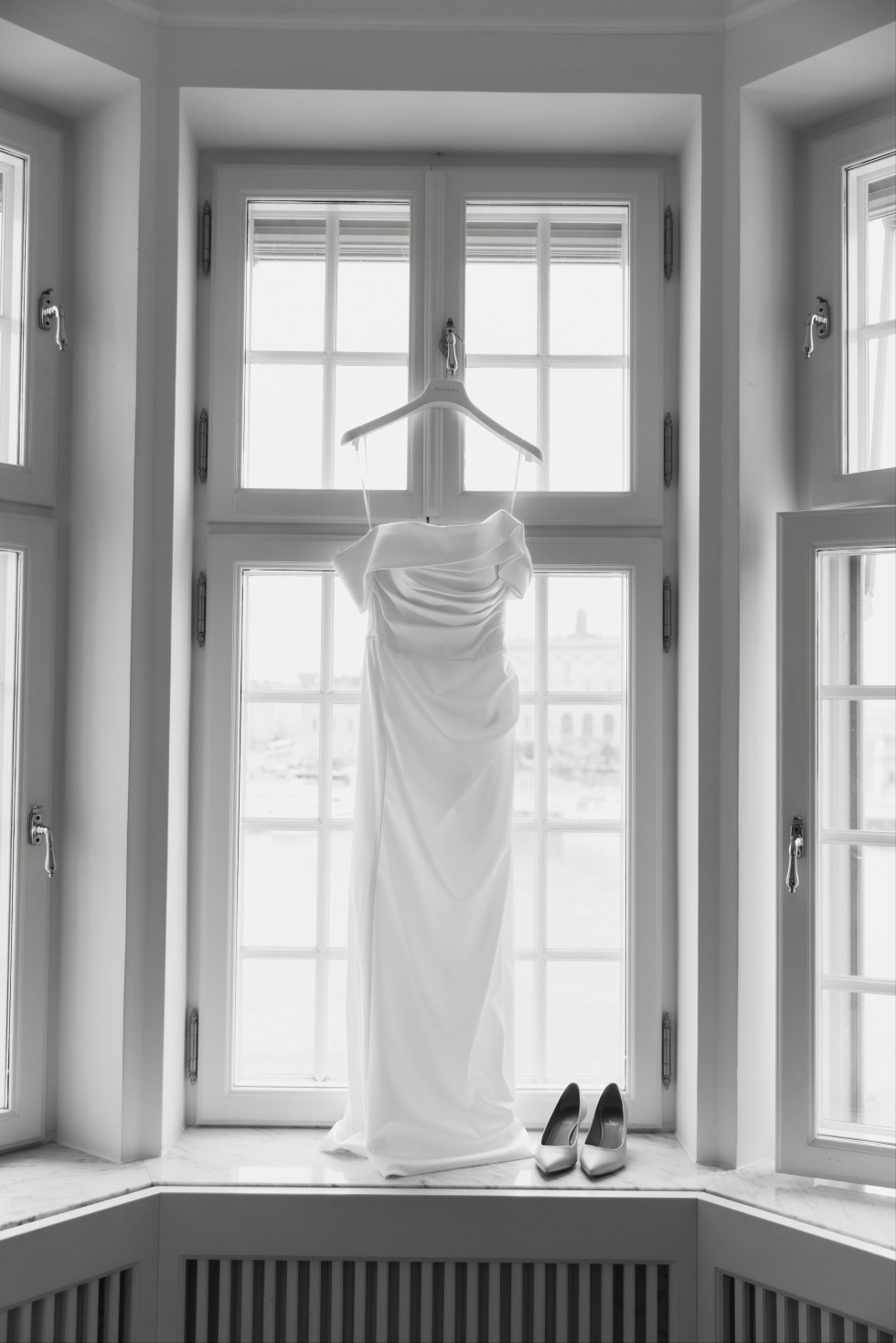
Storing your wedding dress
Here are a few tips to ensure your wedding dress will still look beautiful in a few years’ time.
-
 Fashion
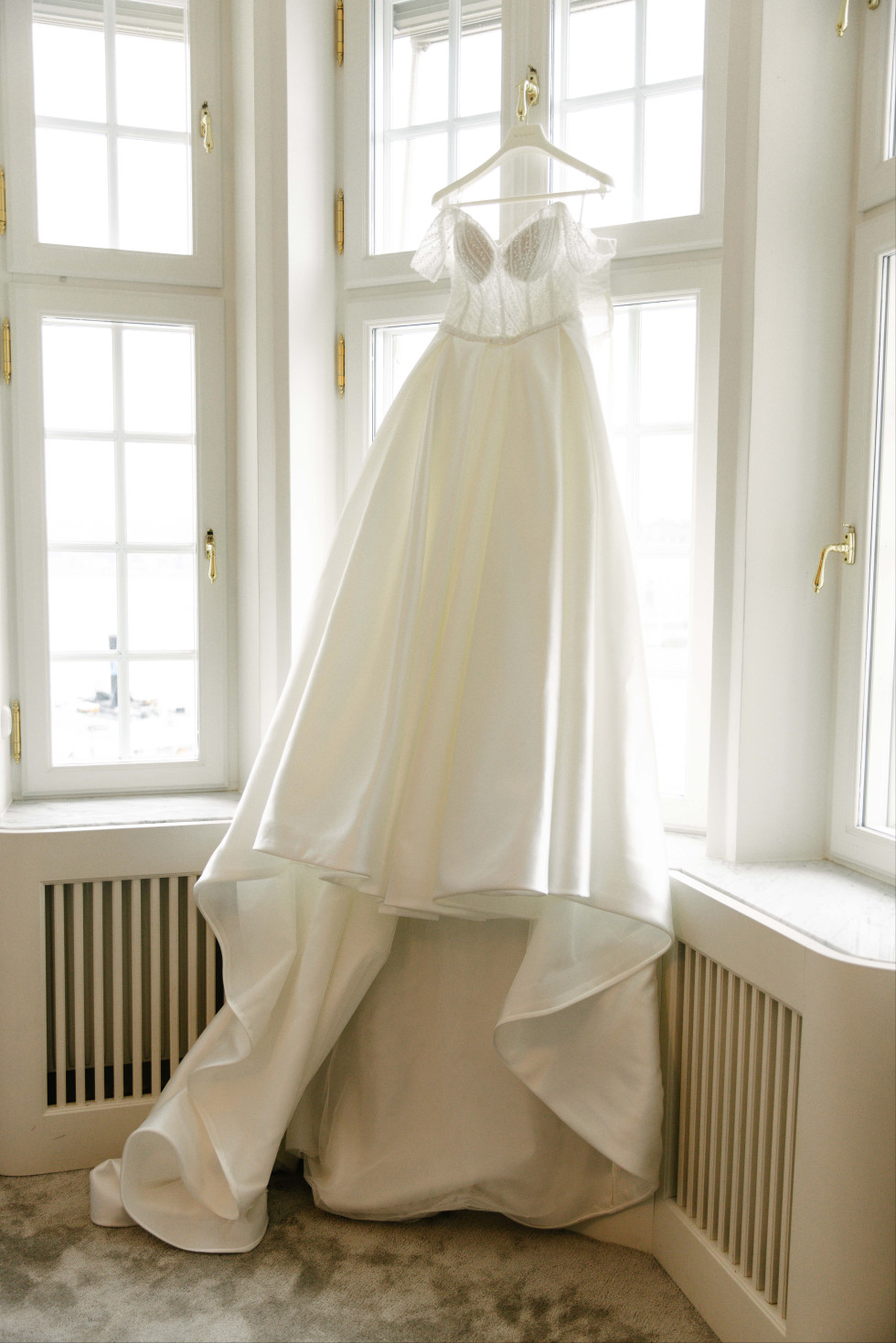
Fabrics and materials used in a wedding dress
Wedding dresses come in a wide variety of fabrics. What is the difference between organza and chiffon? What do the terms ‘moiré’ and ‘plissé’ mean?…