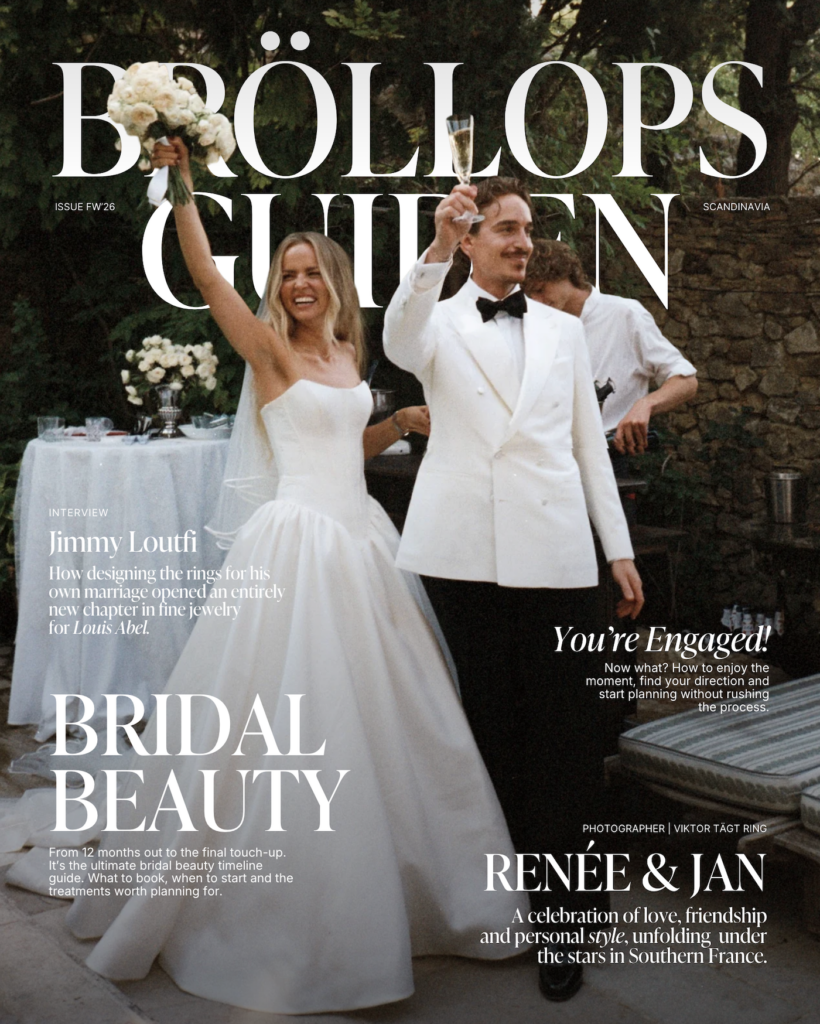
ISSUE FW’26
In our new FW’26 issue, we take you to the south of France and to Renée and Jan’s wedding, which was a celebration of love, friendship and style. We also sit down with Louis Abel founder Jimmy Loutfi for an in-depth interview about how his own wedding rings marked the start of a new chapter in fine jewellery, and look ahead to New York Bridal Fashion Week for the silhouettes, details and ideas that will set the tone for the coming season.
Fashion
Fabrics and materials used in a wedding dress
Wedding dresses come in a wide variety of fabrics. What is the difference between organza and chiffon? What do the terms ‘moiré’ and ‘plissé’ mean? These are questions you might want answers to when you’re on the hunt for the perfect dress.
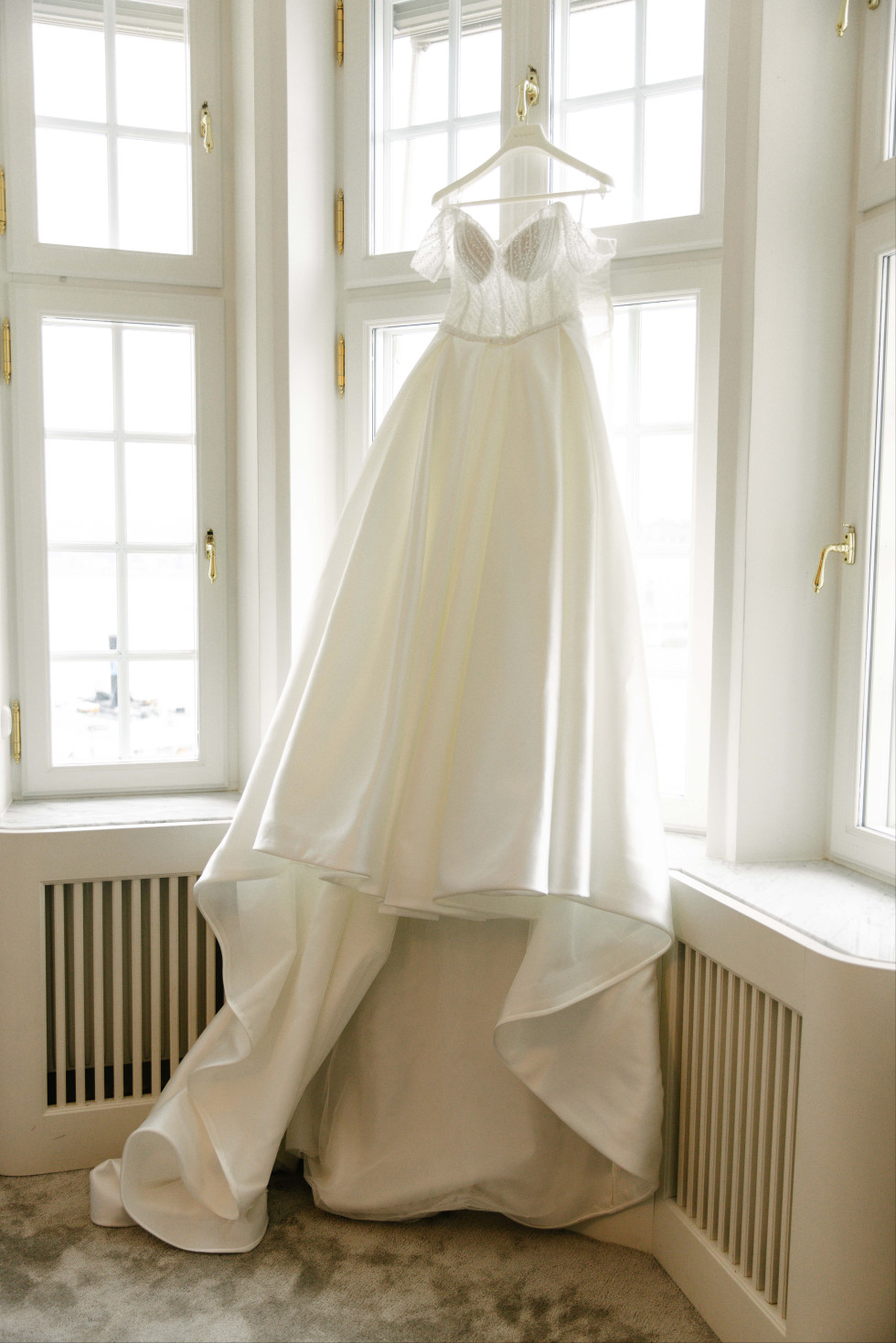


Fabrics and materials for a wedding dress
Wedding dresses come in a wide variety of materials. What is the difference between organza and chiffon? What do moiré and plissé mean? These are questions you might want answers to when you’re on the hunt for the perfect dress.
EMBROIDERY
Hand- or machine-sewn white embroidery on strips, executed using a running stitch and edged holes, and sewn with cotton thread.
BROCADE
Originally a silk or velvet fabric woven with gold or silver thread.
CHIFFON
A thin, transparent and lightweight fabric made from silk, rayon or polyester.
CREPE
A collective term for thin fabrics, originally made of silk, with a crinkled (creped) surface, achieved using so-called crepe yarns, which are combined in various ways.
DUCHESSE
Silk woven in a dense and firm satin weave.
JACQUARD
A patterned woven fabric. It can be woven into various types of patterns using a Jacquard loom. The pattern often appears with a matt or glossy sheen.
MOIRÉ
Two layers of fabric pressed together in a hot calender, so that the pattern effect of one layer is imprinted onto the other, giving the fabric a (flamed) pattern.
ORGANZA
A thin, very fine-threaded, stiff two-shaft weave. Originally made from silk, but nowadays also produced from rayon, nylon or polyester. The fabric is often used for large, flowing dresses; embroidery is sometimes woven into the fabric.
PLEATED
Pleated fabric, with closely spaced, narrow, permanently pressed pleats.
VELVET
A fabric consisting of a base weave whose right side is wholly or partly covered by a dense, short, cut pile. Through different weaves, fibre types and yarns, velvet can take on a wide variety of appearances and other properties.
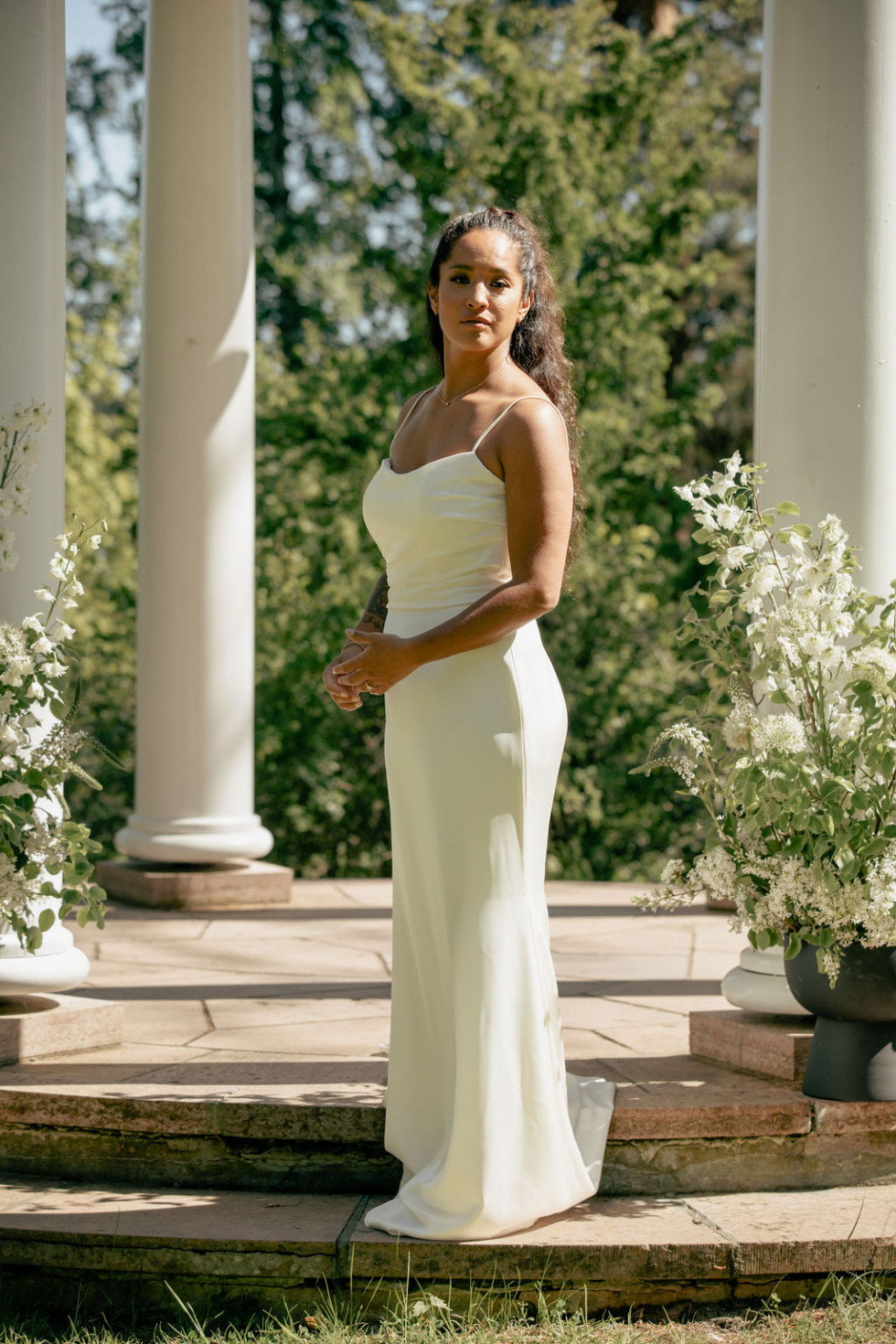
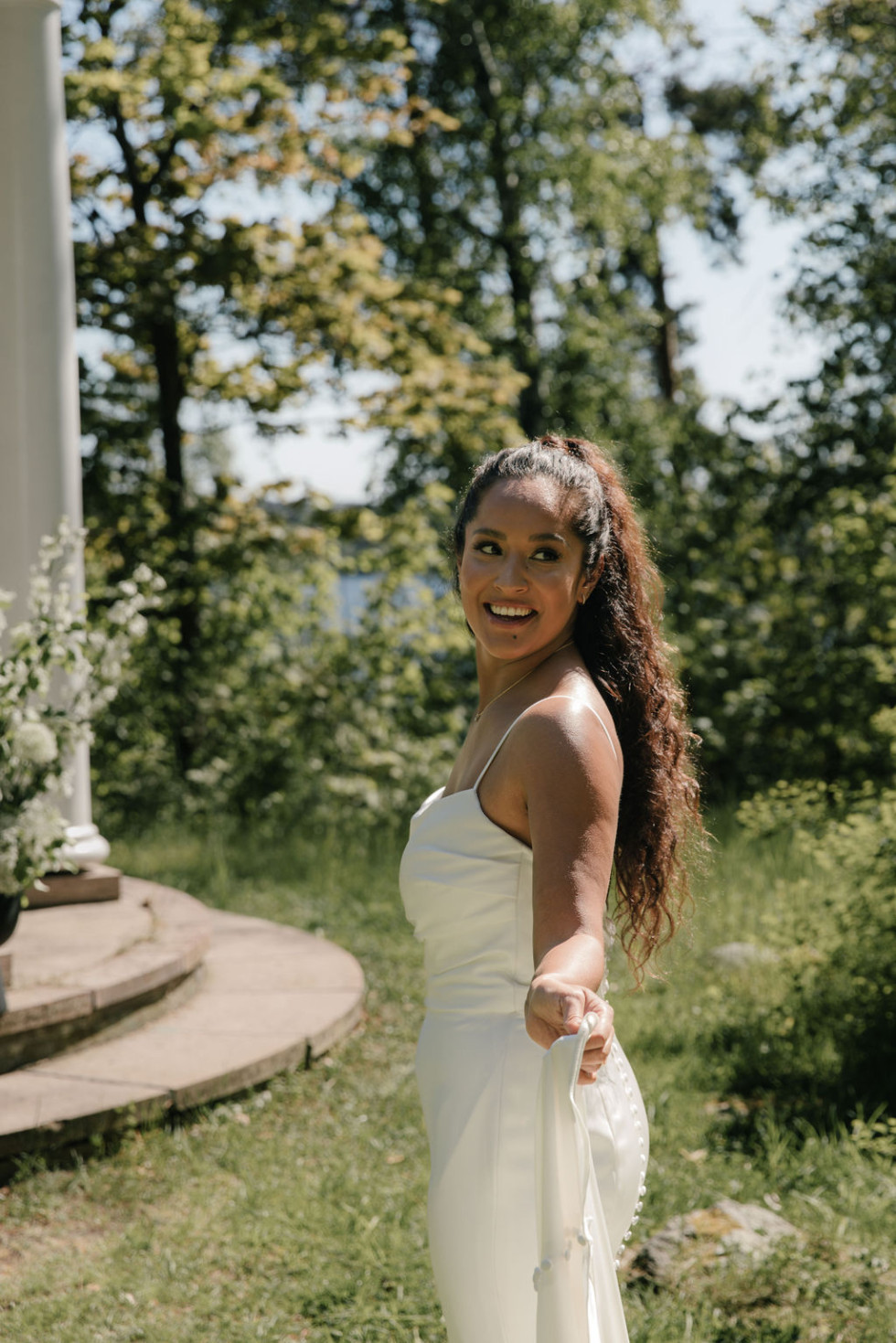
SATIN
A weaving technique that produces a smooth, dense and non-symmetrical fabric. Often has a glossy right side and a matt wrong side.
SHANTUNG
A fabric made from wild silk, woven in a two-shaft weave. The fabric is slightly uneven, which gives it a distinctive character.
SILK
Silk is a fabric made from silk. Silk is a pure natural product and comes from the cocoon threads of silkworm larvae. A distinction is made between natural and artificial silk. Artificial silk is much cheaper than genuine silk and is made from the synthetic fibre rayon. However, artificial silk is not as durable as genuine silk.
LACE
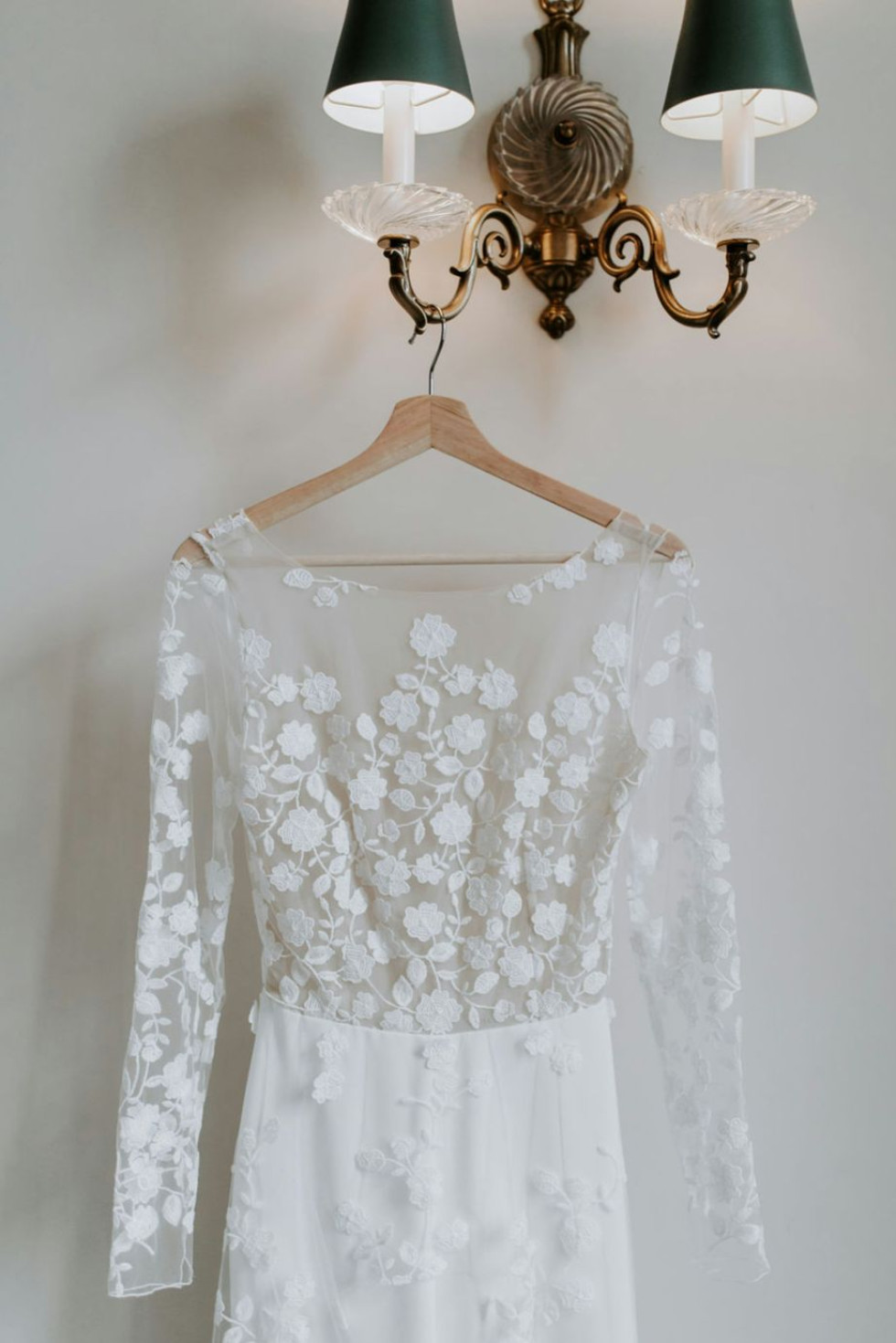
Lace is a thin, patterned fabric that is often partially transparent. The fabric can be made from linen, cotton or silk.
TAFFETA
A fairly light but somewhat stiff and crisp fabric woven in a twill weave. Taffeta was originally woven from silk but is now often made from synthetic fibres.
TULLE
A thin fabric with a mesh structure, consisting of small square or hexagonal meshes, produced by looping or knitting. Tulle is the fabric used to make bridal veils. The material can be silk or artificial silk.
Business directory
Do you need help finding suppliers for your wedding? Take a look at our business directory.
Related articles
-
 Fashion
Things to bear in mind before shopping for your wedding outfit
Clothes are a big part of wedding planning, and it’s important to feel that you’ve really found the right ones.
-
 Fashion
History and origins
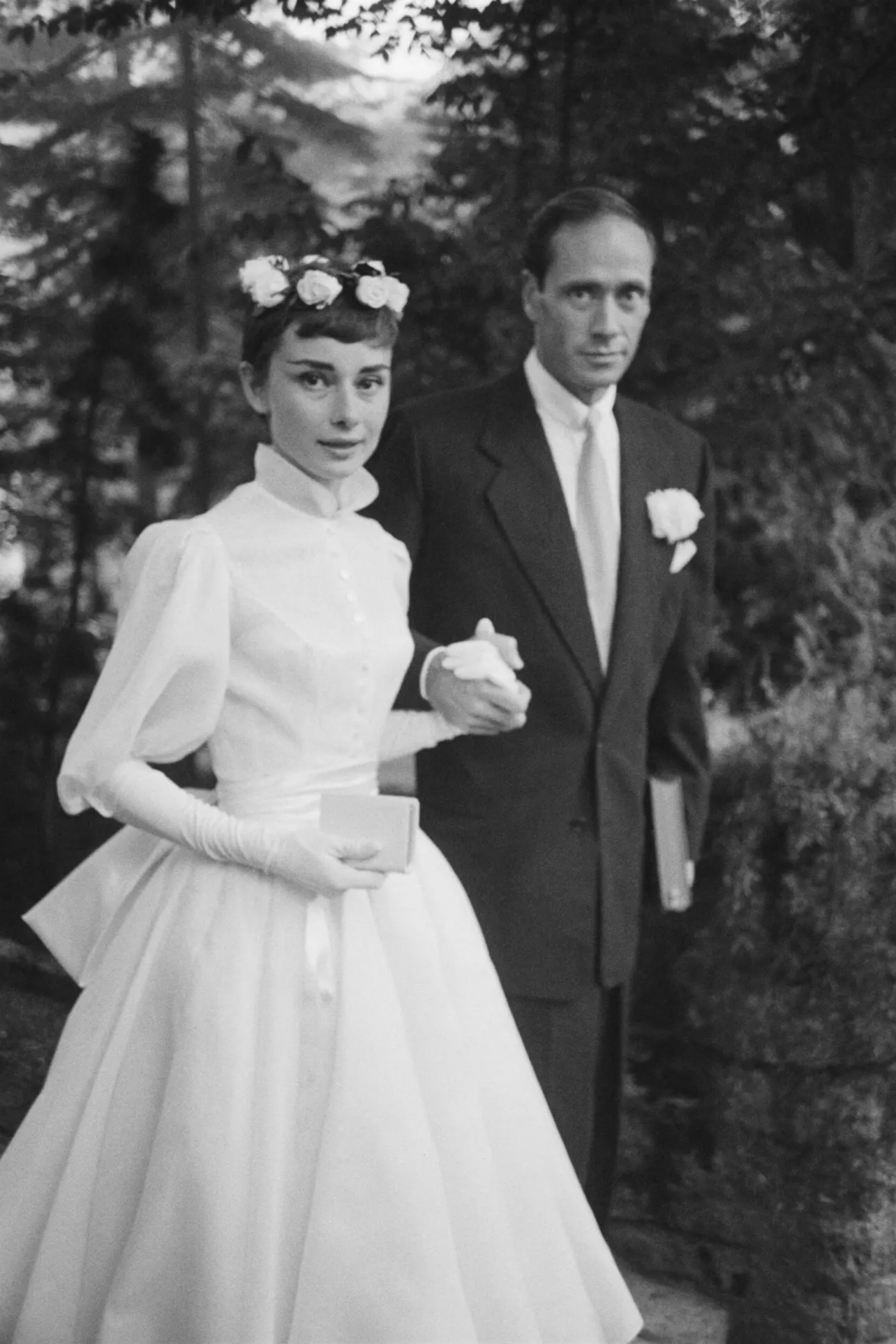
The origins of the bridal gown and the fascinating evolution of the wedding dress from ancient times to the present day.
-
 Fashion
Storing your wedding dress
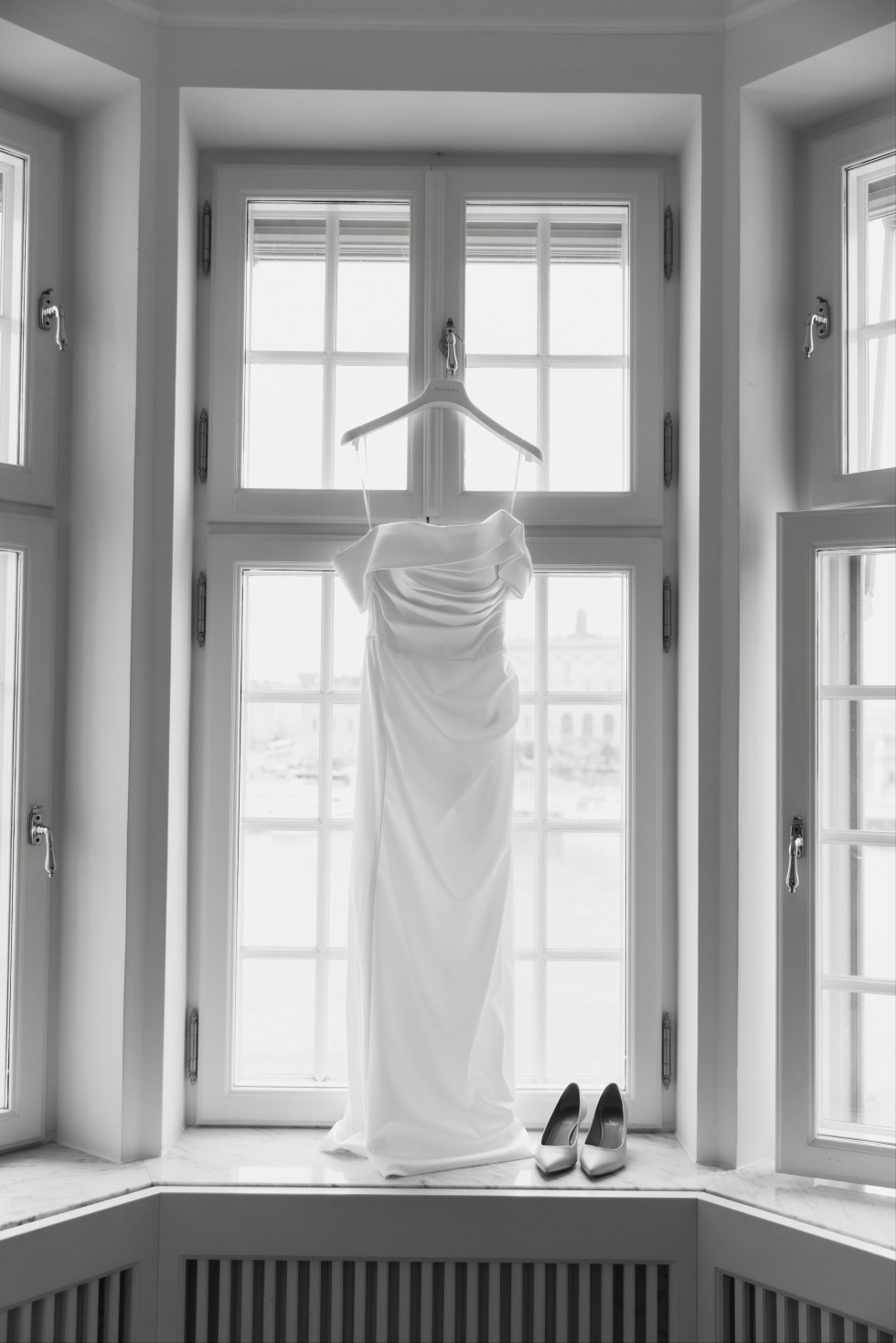
Here are a few tips to ensure your wedding dress will still look beautiful in a few years’ time.