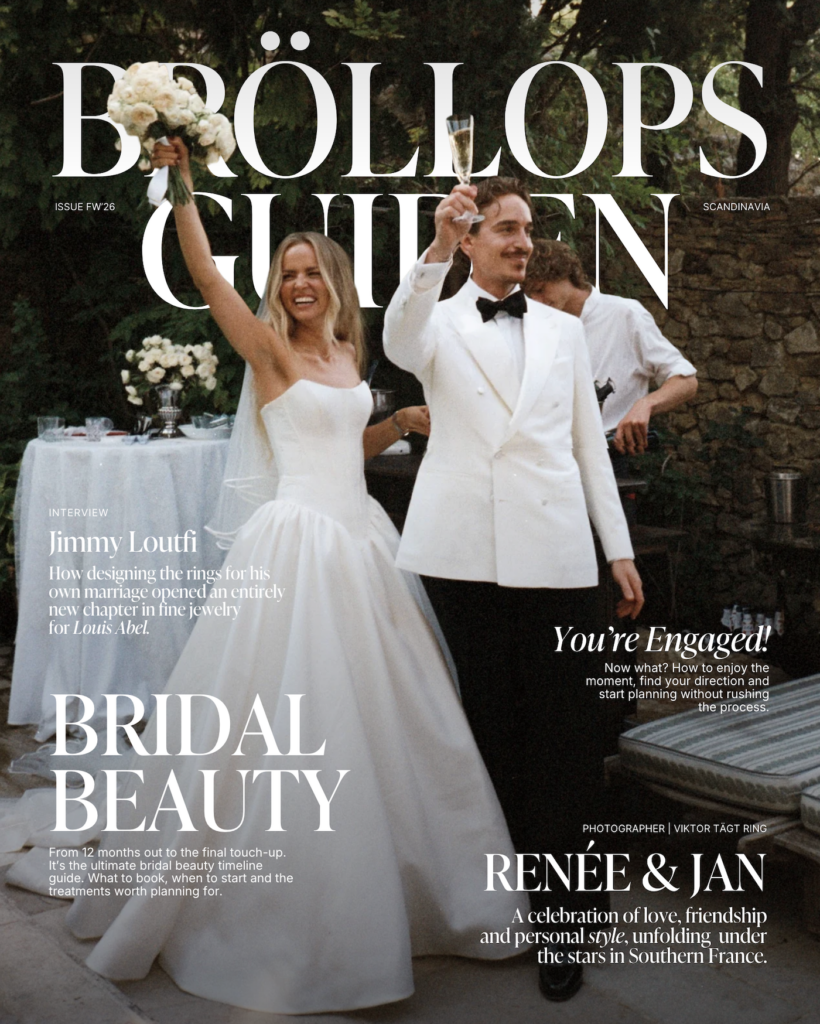
ISSUE FW’26
In our new FW’26 issue, we take you to the south of France and to Renée and Jan’s wedding, which was a celebration of love, friendship and style. We also sit down with Louis Abel founder Jimmy Loutfi for an in-depth interview about how his own wedding rings marked the start of a new chapter in fine jewellery, and look ahead to New York Bridal Fashion Week for the silhouettes, details and ideas that will set the tone for the coming season.
Fashion
A bridal veil – to wear or not to wear?
They do say that the eyes are the window to the soul, and that every iris is unique, so here’s a guide on how best to make your eyes stand out. A bridal veil for your wedding.
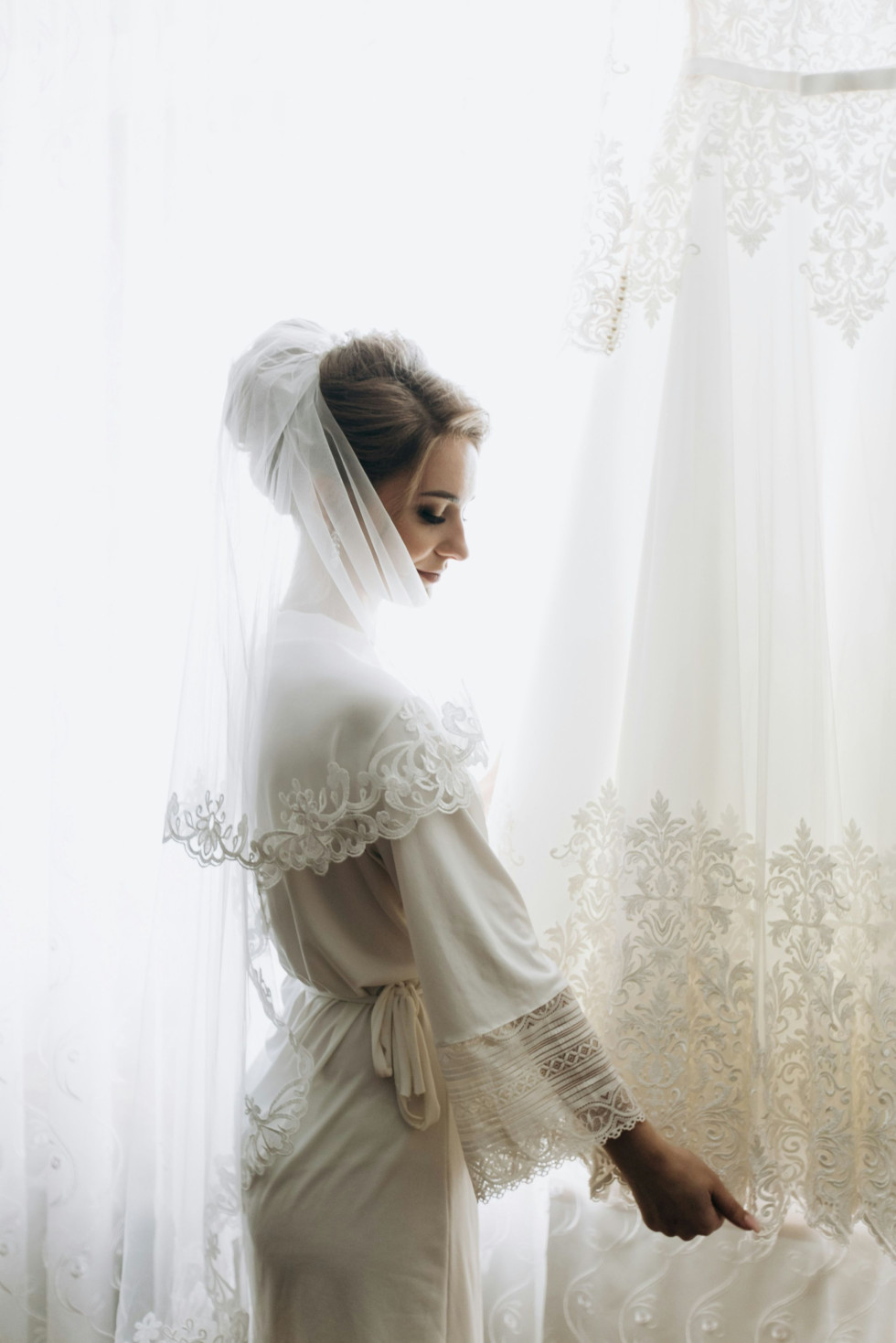


Wedding veil – yes or no?
This enchanting veil speaks of inner beauty and a promise to commit to one’s greatest love and best friend. It is as old as weddings and marriage itself, with a mystique that stretches far back in time. Join us on a journey, with fascinating facts about bridal veils through the ages.
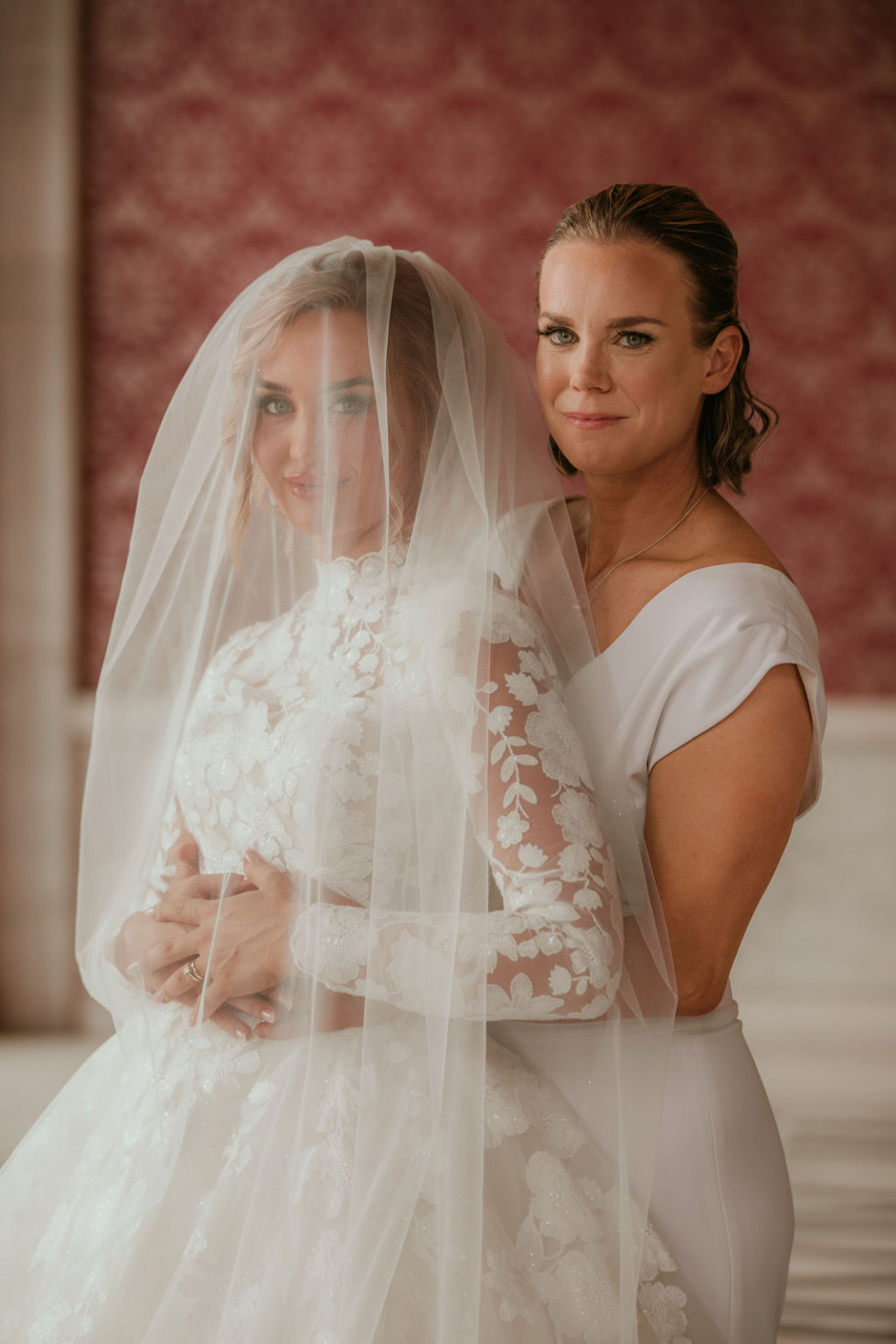
A ritual
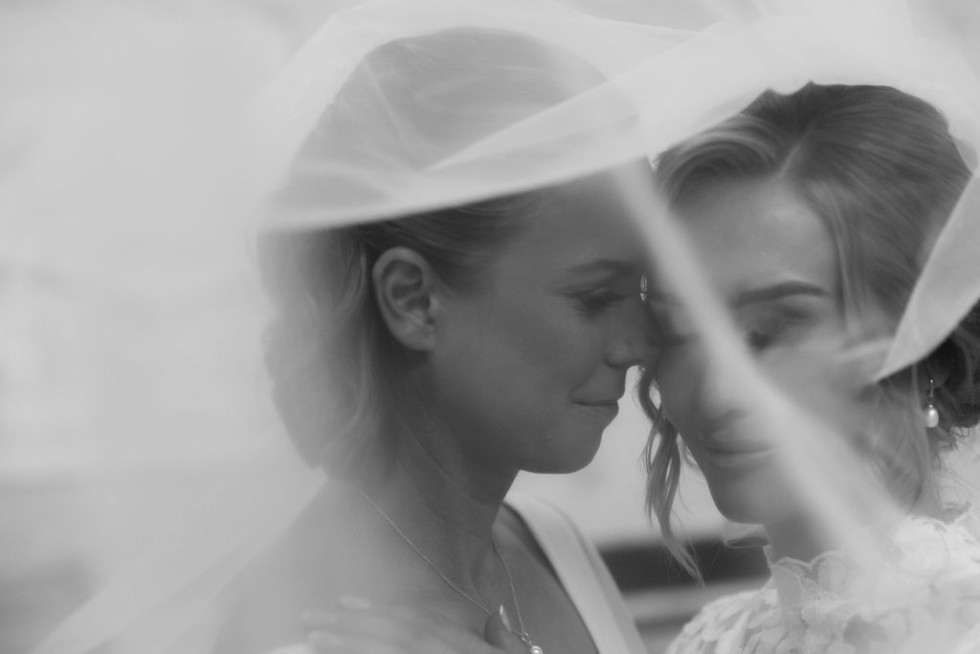
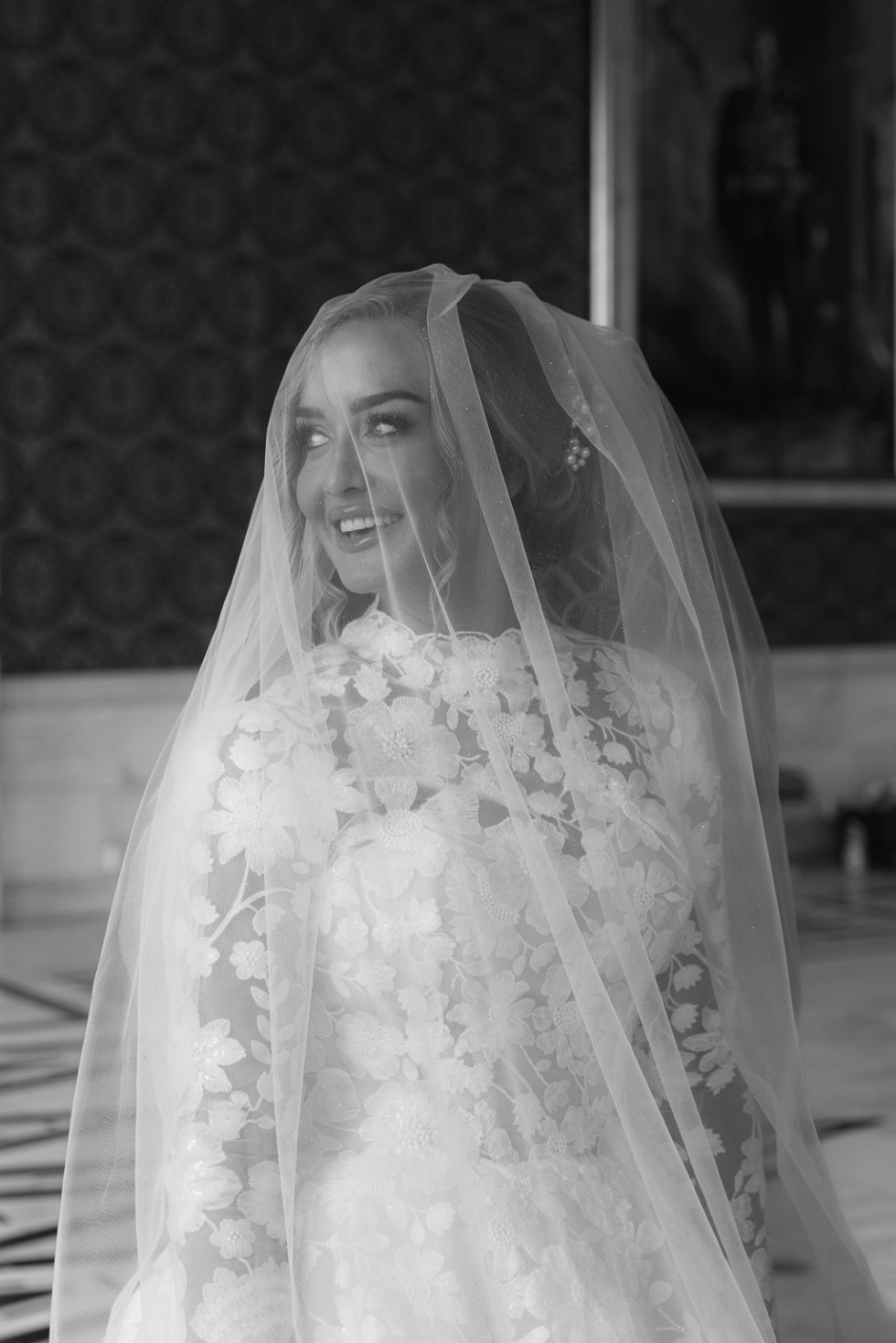
In Christian and Jewish cultures, the veiled face is part of a ritual in which either the bride’s father or the groom lifts the veil once the ceremony is over. Once the veil has been lifted, the marriage is official. Further back in time, during the 17th and 18th centuries, the veil was seen as a symbol of chastity and obedience to God, particularly within Western culture. Its white colour was also a powerful symbol of being ‘pure’ in the presence of the divine. However, its popularity has risen and fallen over the centuries. In addition to religious influences, monarchs have had a strong impact on how we wear and view our veils today.
Modern veil traditions
The modern bride’s veil look is slightly less complicated and leans more towards minimalism, although it may feature beautiful details such as pearls, jewellery and embroidery. It’s not always about the right style or the length of the veil – it’s also a clear sign that you’re actually getting married. It’s the icing on the cake when it comes down to it; this is when it all happens. Nowadays, the bridal veil is used more as a beautiful addition to the overall ensemble, rather than for religious reasons or to ward off evil spirits. Some choose to wear the veil over their shoulders, allowing the flowing fabric to drape over their hair and dress, whilst others prefer to cover their face completely. It is not uncommon to wear a tiara or a headband with the veil and choose not to cover the face. In Scandinavia, it is a common custom for the veil to hang down from the back, as a beautiful complement to the bridal outfit.
20th-century bridal veils
During the 1920s, the cloche was a very popular choice of headwear, often made of silk. They were usually decorated with flowers and leaves to match the fashionable hairstyles of the time and the bridal bouquet. We mustn’t forget that our surroundings have a major influence on prevailing style trends. The decades when veils took on a simpler look, due to the war and a shortage of fabric, were the 1930s, 1940s and 1950s. At that time, veils were worn somewhat more loosely over the head, both as an accessory and for religious or traditional reasons. It was common around this time to attach a shorter piece of fabric to a so-called pillbox hat, usually made of lace or tulle. In the 1950s and 1960s, the style evolved to reflect a more bohemian attitude. Veils became longer once again, and up until the 1970s, veil fashion took on a more relaxed style, with long, flowing veils. Here too, it was common to decorate with beautiful, freshly picked flowers. Most people are probably aware that the 1980s shook things up considerably, with great drama in both veils and wedding dresses. Right up into the 2000s, fashion has evolved in step with changes in our style. Sometimes we create something completely new, whilst at other times we’re happy to draw inspiration from the fashion trends of the past. Trends come and go, as they say, but I suspect many of us are hoping to avoid the spectacular volumes of the 1980s.
Which style should you choose?
A cathedral veil, a birdcage veil, a chapel veil, lace, tulle, short, long, minimalist, a two-piece veil or one with unique embellishments? Do you want it to sweep above the ground, reach your fingertips or stop at your elbows? How you choose to accessorise your wedding dress is entirely up to you; there are no rules about how it should look, how it should be worn, or whether you should wear one at all. Your wedding day should, after all, embody and fulfil your deepest dreams. If you choose to wear a veil, bear in mind that it should complement your hairstyle and, ideally, coordinate with your bridal bouquet. If you’d like to mix different looks, it’s a lovely opportunity to highlight various stylistic elements – perhaps incorporating something your mum or mother-in-law wore, alongside something you personally value and love. Whatever your attitude or personal views, the bridal veil is a romantic addition to the wedding dress. It enhances the mood and creates an atmosphere of excitement and happiness. There’s no right or wrong. It’s perfectly fine to set aside traditions, religious beliefs or symbolism. Go with your own style, and what you personally like! Whatever you choose, it’s your own feeling that counts. Being happy with your bridal look is what makes you an irresistible bride!
Business Directory
Do you need help finding suppliers for your wedding? Take a look at our business directory.
Related articles
-
 Fashion
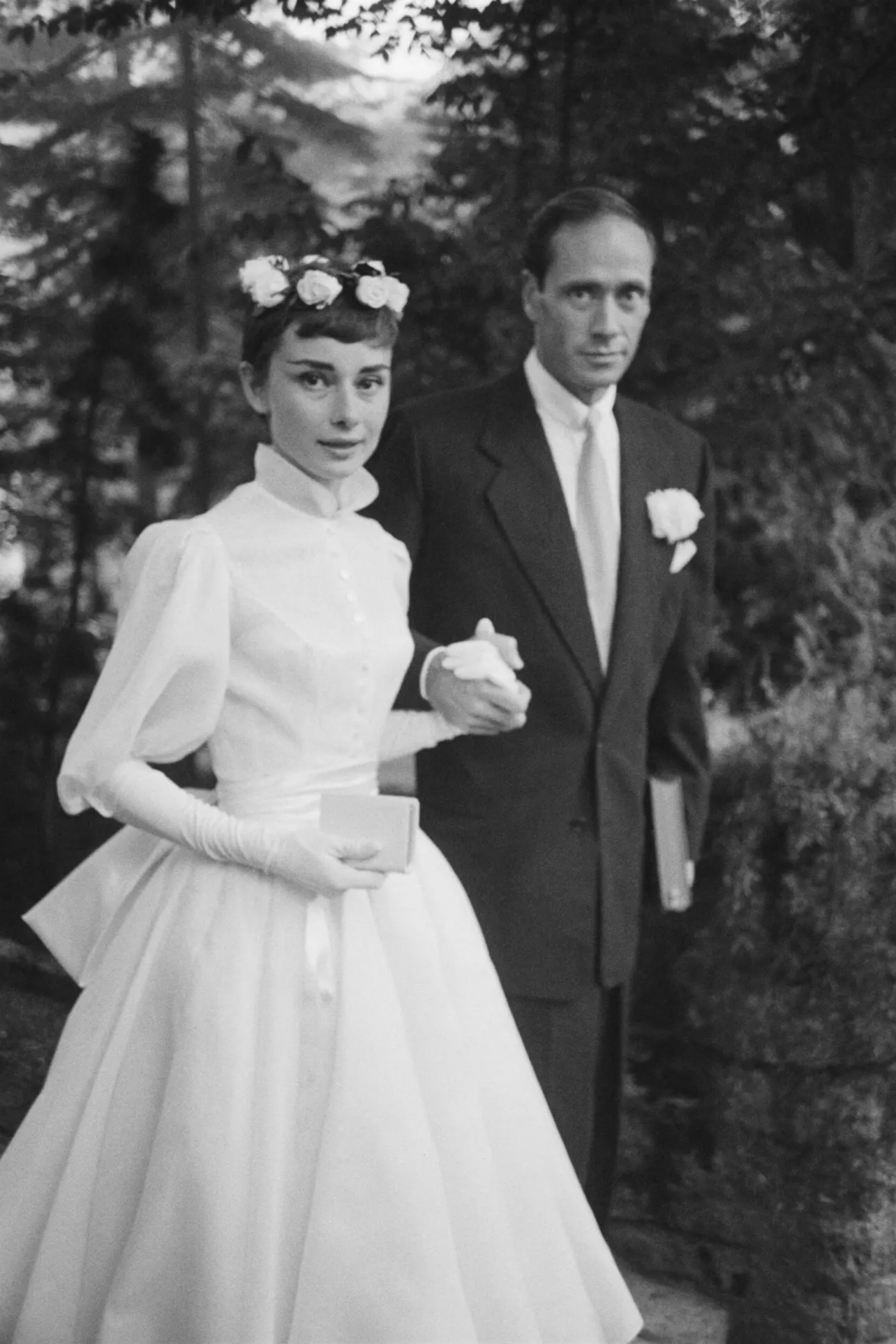
History and origins
The origins of the bridal gown and the fascinating evolution of the wedding dress from ancient times to the present day.
-
 Fashion
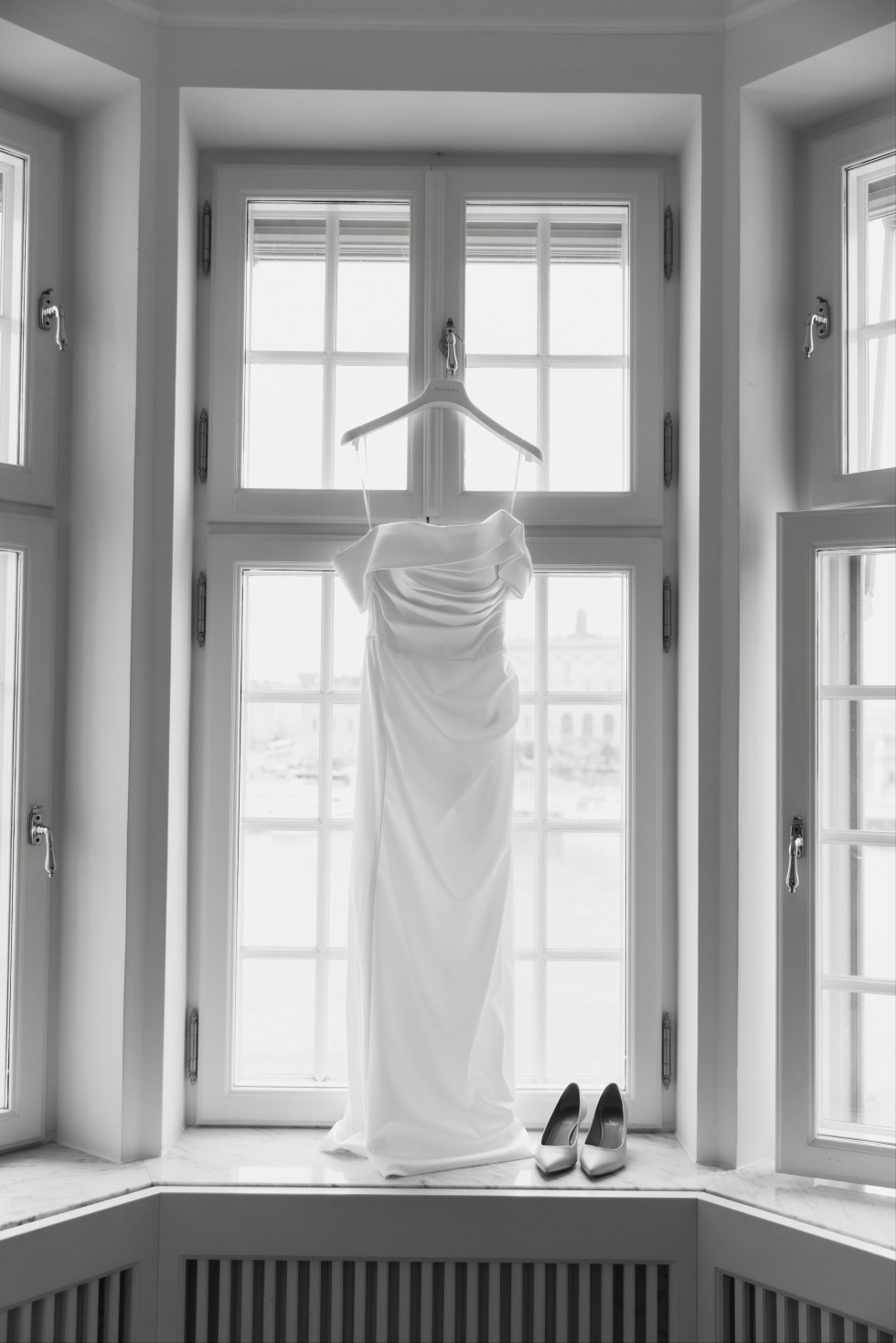
Storing your wedding dress
Here are a few tips to ensure your wedding dress will still look beautiful in a few years’ time.
-
 Fashion
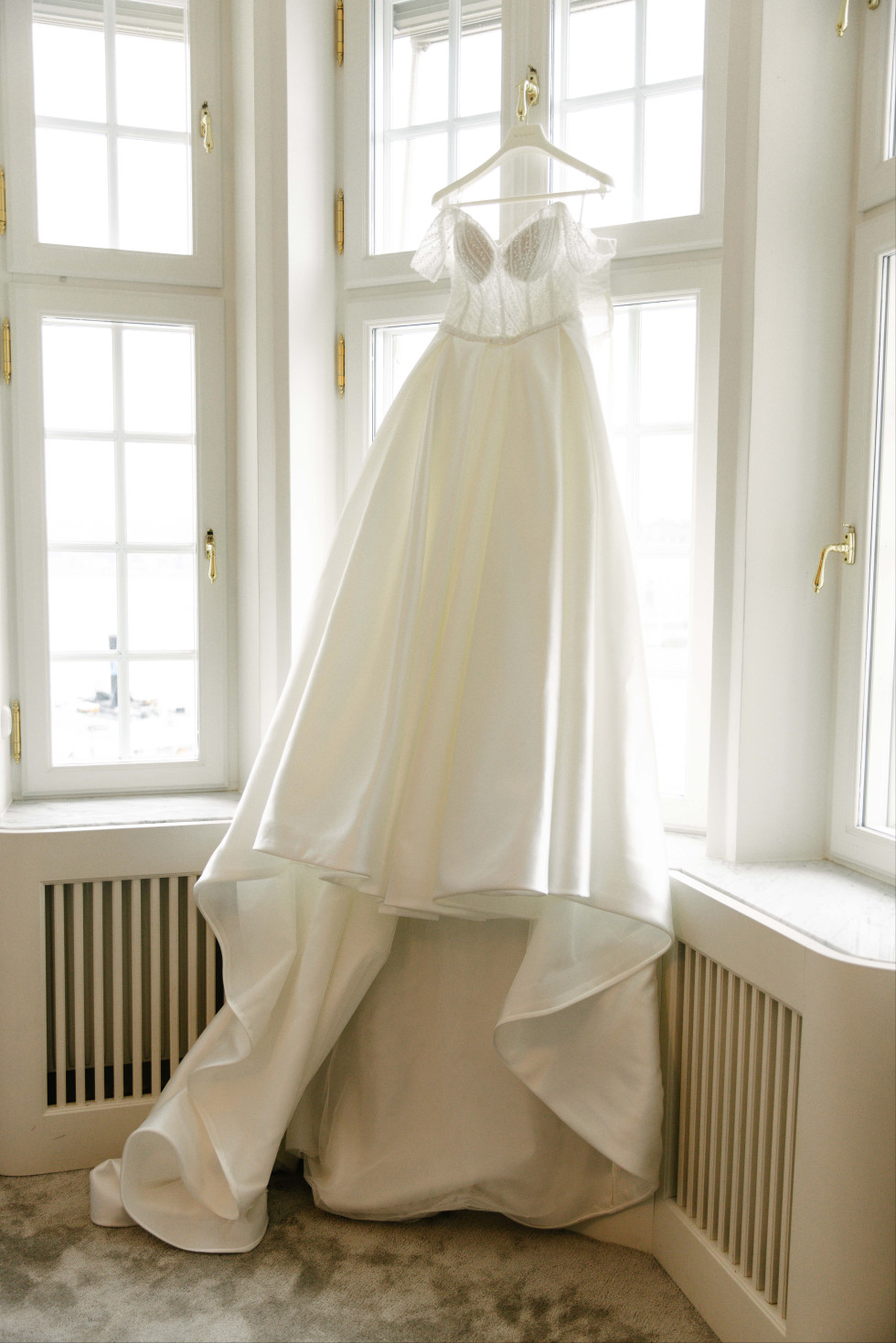
Fabrics and materials used in a wedding dress
Wedding dresses come in a wide variety of fabrics. What is the difference between organza and chiffon? What do the terms ‘moiré’ and ‘plissé’ mean?…