ISSUE FW’26
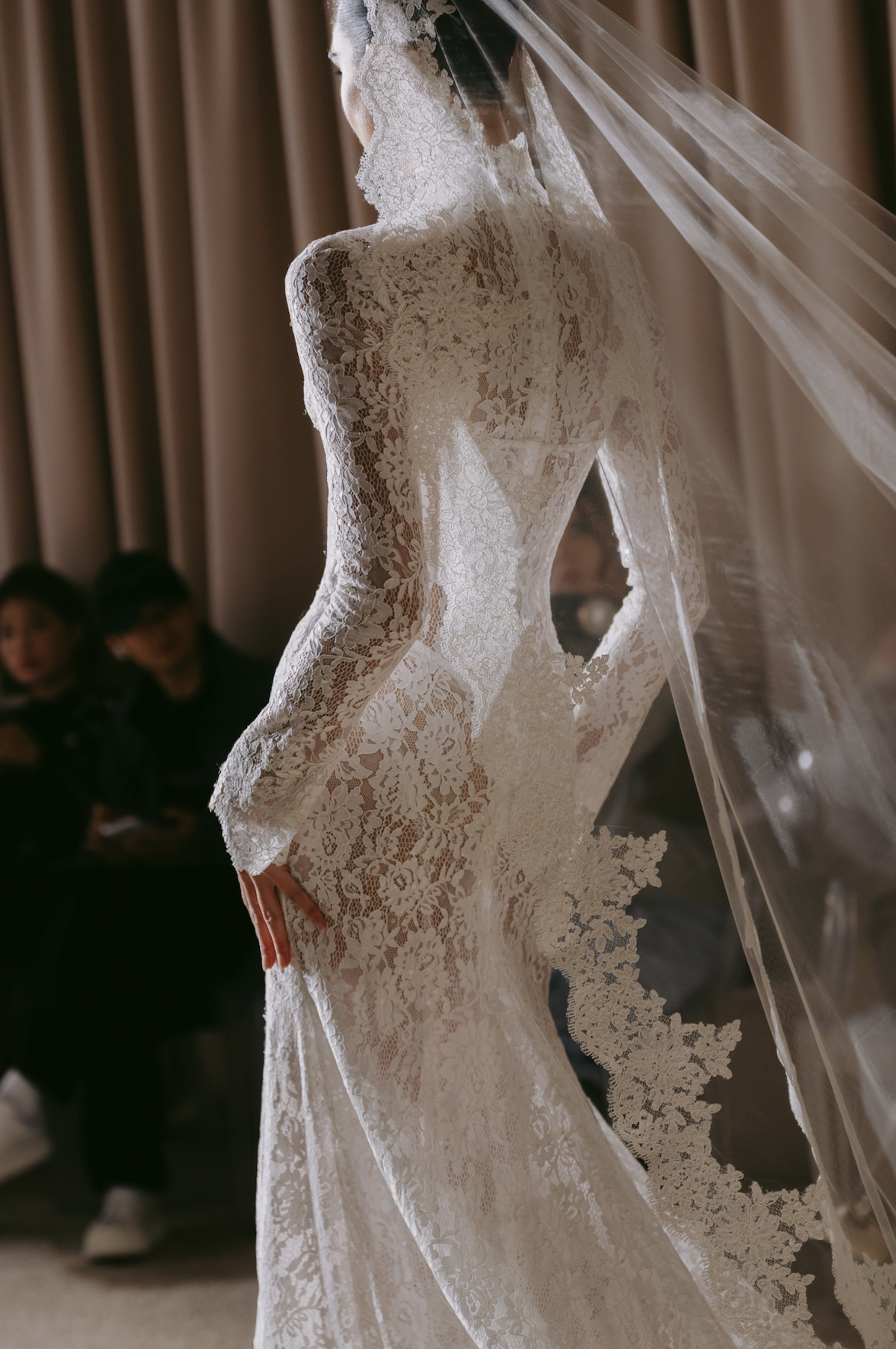
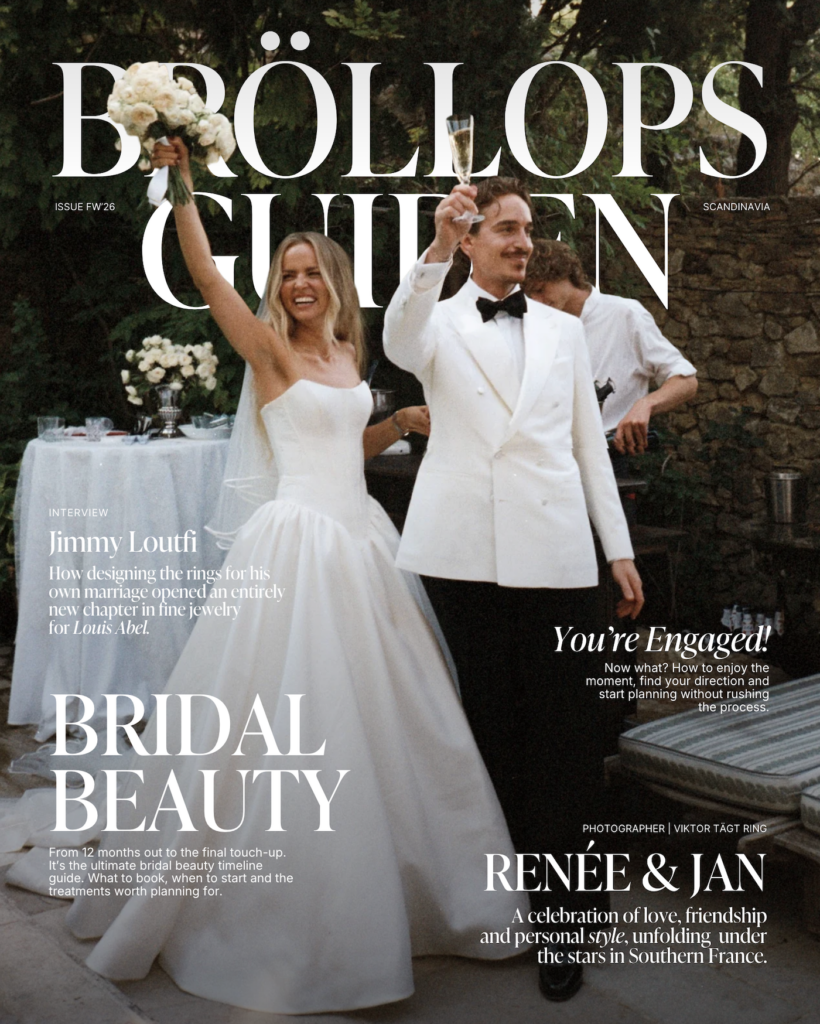
In our new FW’26 issue, we take you to the south of France and to Renée and Jan’s wedding, which was a celebration of love, friendship and style. We also sit down with Louis Abel founder Jimmy Loutfi for an in-depth interview about how his own wedding rings marked the start of a new chapter in fine jewellery, and look ahead to New York Bridal Fashion Week for the silhouettes, details and ideas that will set the tone for the coming season.
The Bridal Edit
Dress Codes for Weddings & Parties – The Guest Edit
The differences between white tie, black tie and dark suits, with advice on summer invitations and choosing bridesmaids’ outfits together.
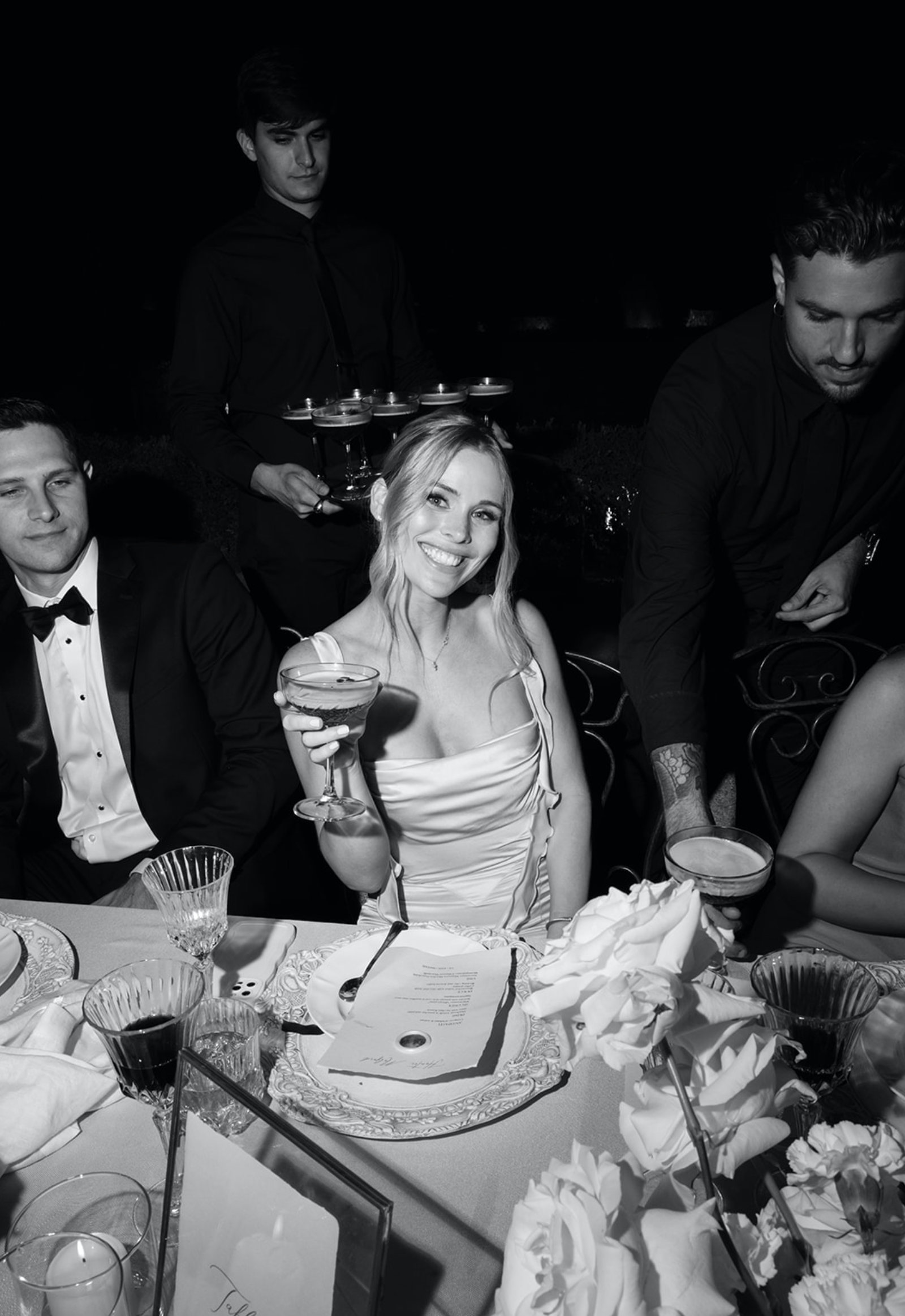


The dress code gives you a starting point for choosing an outfit. Look at the wording on the invitation before deciding what to wear.
This guide explains white tie, black tie and dark suits, with advice on cocktail outfits and more relaxed summer celebrations. This part of The Bridal Edit also looks at choosing bridesmaids’ outfits together. Start with the wording on the invitation, and ask the hosts if anything is unclear.
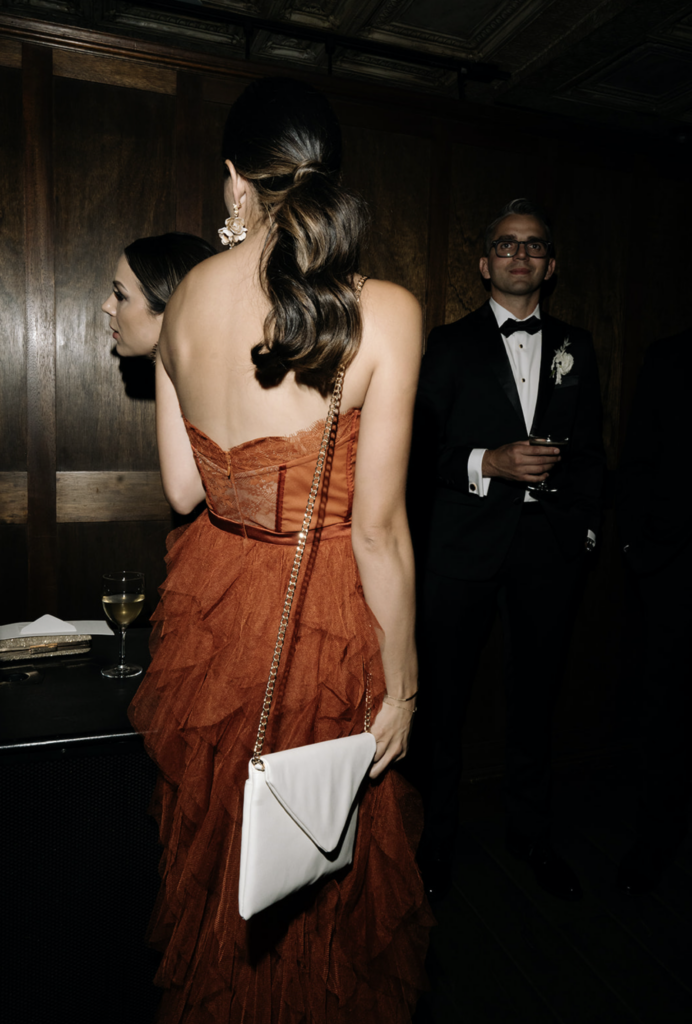
Gala / White Tie / Tailcoat
White tie is the most formal dress code covered here. A gala does not automatically call for white tie: look for a specific dress code on the invitation rather than relying on the event’s name.
- Dress: A floor-length evening gown or ball gown is the traditional white-tie choice. Choose sleeves, neckline and colour to suit your taste and any guidance on the invitation. A wrap, bolero or cape can add a layer, but consider separate outerwear for cold conditions. Check any venue-specific clothing requirements.
- Tailcoat: Traditional white tie consists of a black evening tailcoat with matching trousers, a white waistcoat, a stiff-fronted white evening shirt and a white bow tie. Black patent or well-polished leather shoes complete the outfit. Military dress is not compulsory at a gala; check the hosts’ guidance and any applicable uniform regulations.
- Styling tips: If you want to co-ordinate outfits, repeat a colour in the accessories. Jewellery, bags and cufflinks do not have to match.
Dinner Jacket / Black Tie
Black tie calls for a dinner jacket, not a tailcoat. It is a formal evening dress code with different traditional clothing from white tie.
- Dress: A long evening gown or a shorter cocktail dress can suit black tie. Choose the length and fabric with the formality of the occasion in mind. Ask the hosts if you are unsure whether a shorter dress fits their plans.
- Dinner jacket: The traditional outfit is a black or midnight-blue dinner jacket with silk-faced lapels, matching trousers with a silk stripe down the outside seam, a white evening shirt and a black bow tie.
Dark Suit & Swedish Kavaj
A dark lounge suit is distinct from black tie. If a Swedish invitation specifies ‘kavaj’, do not translate it as simply ‘blazer’: as a Swedish dress code, it normally refers to a suit. That does not make it a rule for British weddings; ask the hosts how they intend the term to be understood.
- Dress or trouser suit: Consider a dress, a trouser suit or separates with a dressier top. A knee-length or midi dress can be a starting point. Let the occasion guide the fabric and level of detail.
- Suit: A navy or dark grey suit with a light-coloured shirt and tie is a traditional starting point. Check before substituting a light suit when the invitation specifies a dark suit or Swedish ‘kavaj’; summer does not automatically change the dress code.
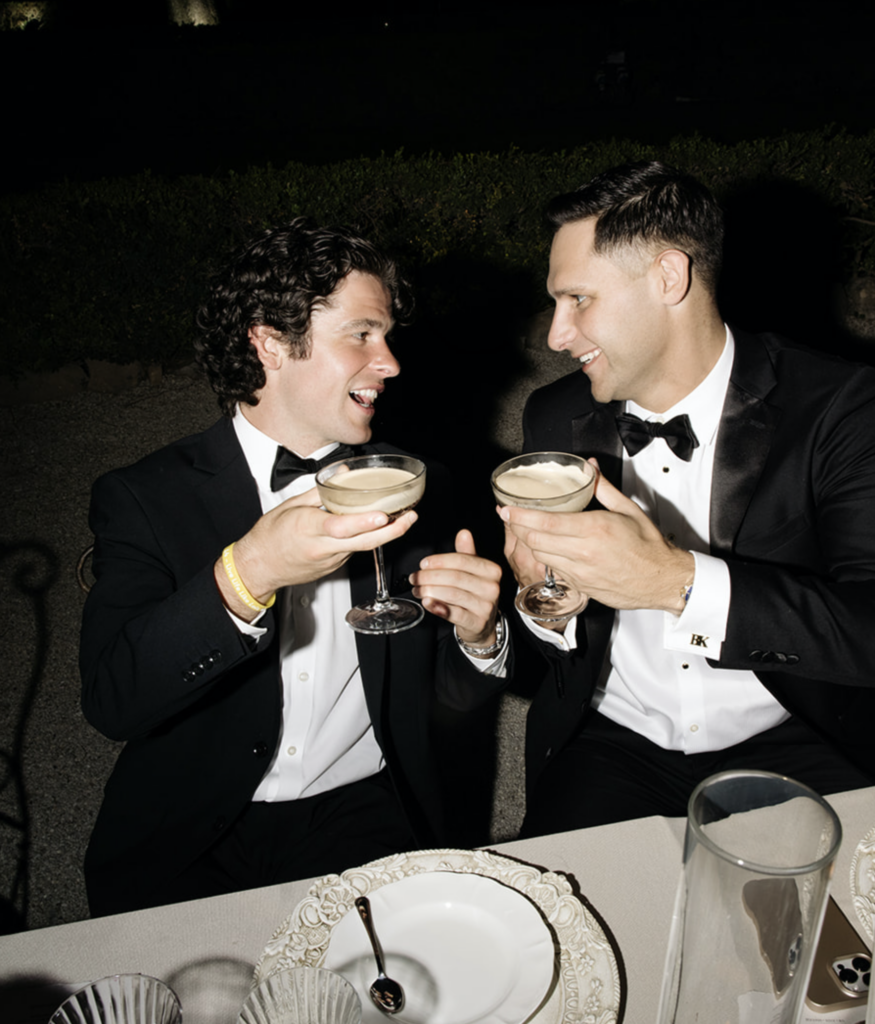
Party / Cocktail / Short Evening Dress
Cocktail suggests a dressed-up party outfit, while ‘party attire’ is less precise. Neither expression automatically means black tie. The time, venue and any further guidance from the hosts can help you choose.
- Dress: A short or midi cocktail dress is one option. Try sitting and walking in it before deciding, and choose a cut you enjoy wearing.
- Suit: A dark suit and shirt can be a starting point for cocktail attire. A tie or bow tie can make the outfit more formal; check whether the invitation gives more specific guidance.
- Styling tip: Try any jacket, wrap or bolero with the rest of the outfit. Check how it sits across the shoulders and whether it is easy to take off.
Summer Party / Light Colours
‘Summery’ and ‘light colours’ are open-ended requests rather than precise dress codes. Ask whether the hosts mean pale shades, lighter fabrics or a more relaxed outfit. An outdoor wedding is not necessarily a casual one.
- Dress: For a less formal summer celebration, consider a dress in a lightweight fabric, with colour or print if you like. Choose shoes for the ground you will be walking on, and plan for a cooler evening.
- Suit or blazer: A light-coloured suit or a blazer with separate smart trousers may suit a less formal summer brief. Try leather shoes or loafers with the outfit.
Casual
Casual allows more choice, but it does not tell you exactly what the hosts expect. If you are considering jeans, trainers or shorts, ask whether they fit the plans.
- Dress or separates: A simple dress, a skirt and blouse, or trousers with a dressier top are possible options. Choose pieces you can wear through the meal and the rest of the celebration.
- Trousers and shirt: Chinos or suit trousers with a shirt can be a starting point. Add a blazer if you wish. Check expectations for ties and footwear if the invitation offers no further clues.
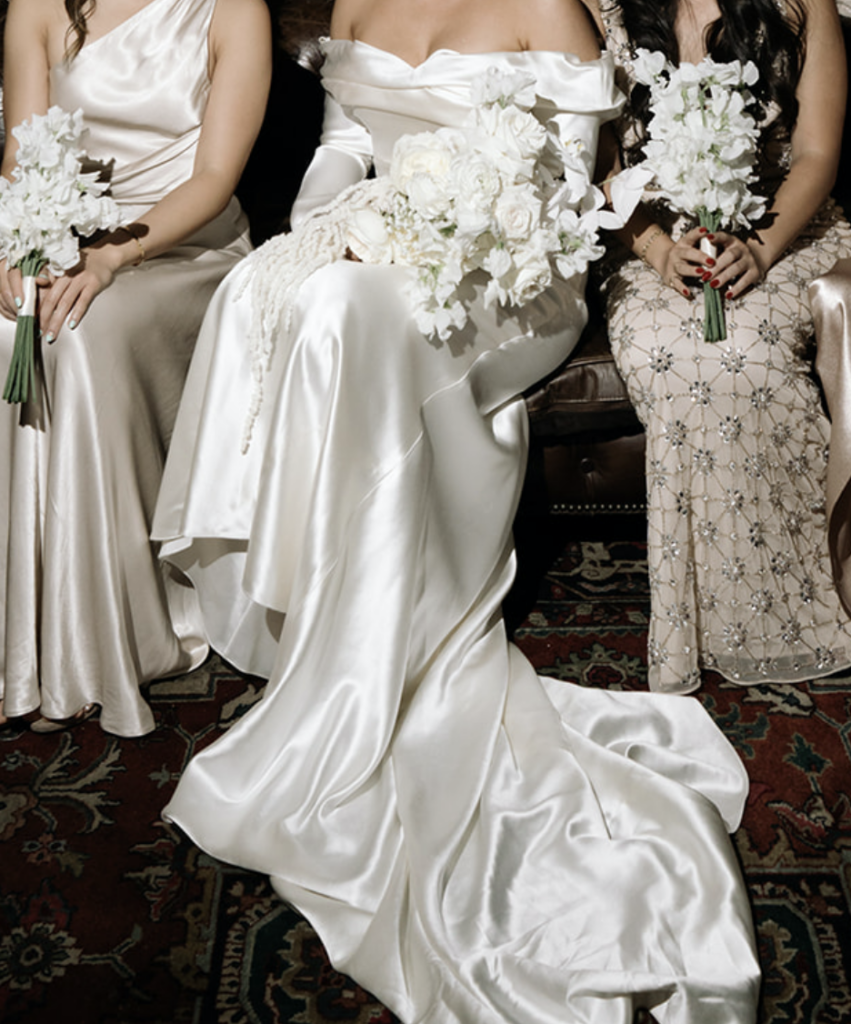
Dress code for bridesmaids
Choose bridesmaids’ outfits with the people who will wear them. Start with the wedding’s dress code, the budget and who is paying. You can co-ordinate the group without asking everyone to wear the same cut.
- Colour and length: Agree on one colour, a palette or a shared detail across different outfits. Let the dress code guide the level of formality. A summer wedding can still call for long evening dresses.
- Multi-wrap dresses to try: Dresses with long straps that tie in different ways can offer styling options. Ask to see how the particular design fastens, then try it with the underwear you intend to wear. Different tying options do not guarantee fit or support.
- Co-ordinated accessories: A wrap, a piece of jewellery or a floral bracelet can be a shared detail if the group wants one. Agree on the cost before ordering, and leave room for individual preferences.
- Before ordering: Try walking, sitting and raising your arms in the outfit. Discuss sizing, alterations and what each person can afford. Agree on styles and accessories without overriding anyone’s boundaries or budget.
Read the next part of The Bridal Edit
Choosing a wedding dress as well? The next part looks at fittings and what to consider when choosing your wedding dress.