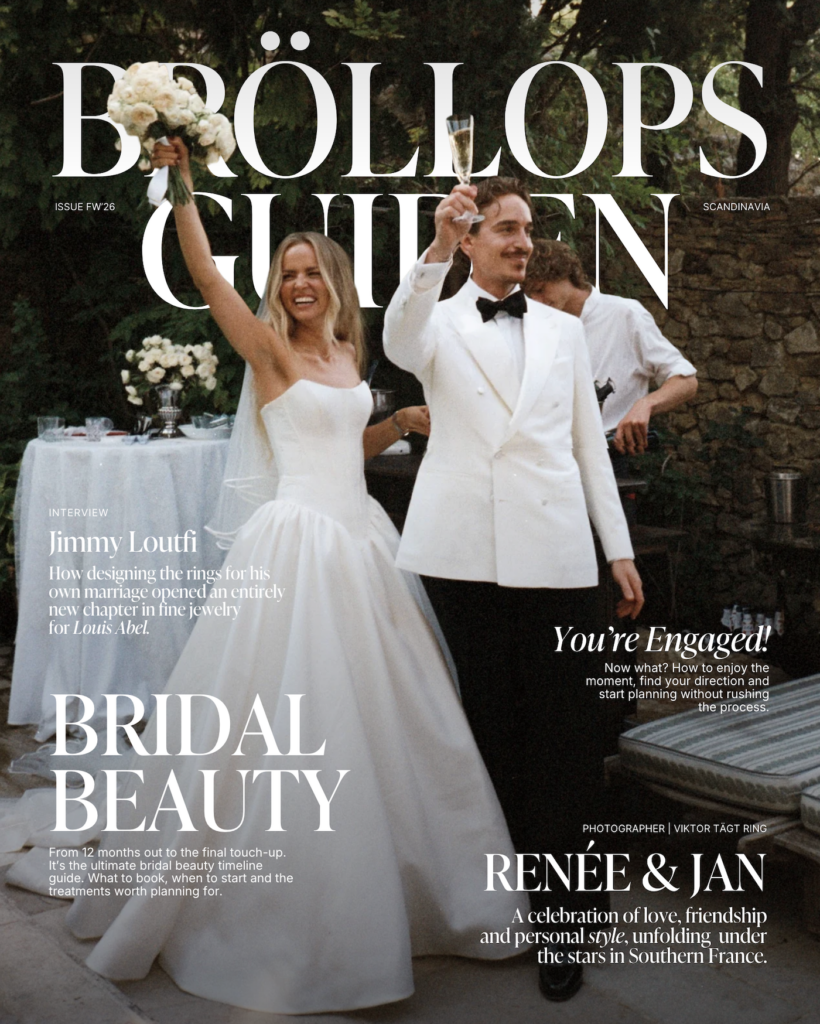
ISSUE FW’26
In our new FW’26 issue, we take you to the south of France and to Renée and Jan’s wedding, which was a celebration of love, friendship and style. We also sit down with Louis Abel founder Jimmy Loutfi for an in-depth interview about how his own wedding rings marked the start of a new chapter in fine jewellery, and look ahead to New York Bridal Fashion Week for the silhouettes, details and ideas that will set the tone for the coming season.
The Banquet Hall Guide
A layout that creates energy: How to plan your dining and dance area
When you’re planning the venue and layout for your wedding, there’s much more to it than simply making sure there’s room for the right number of tables.
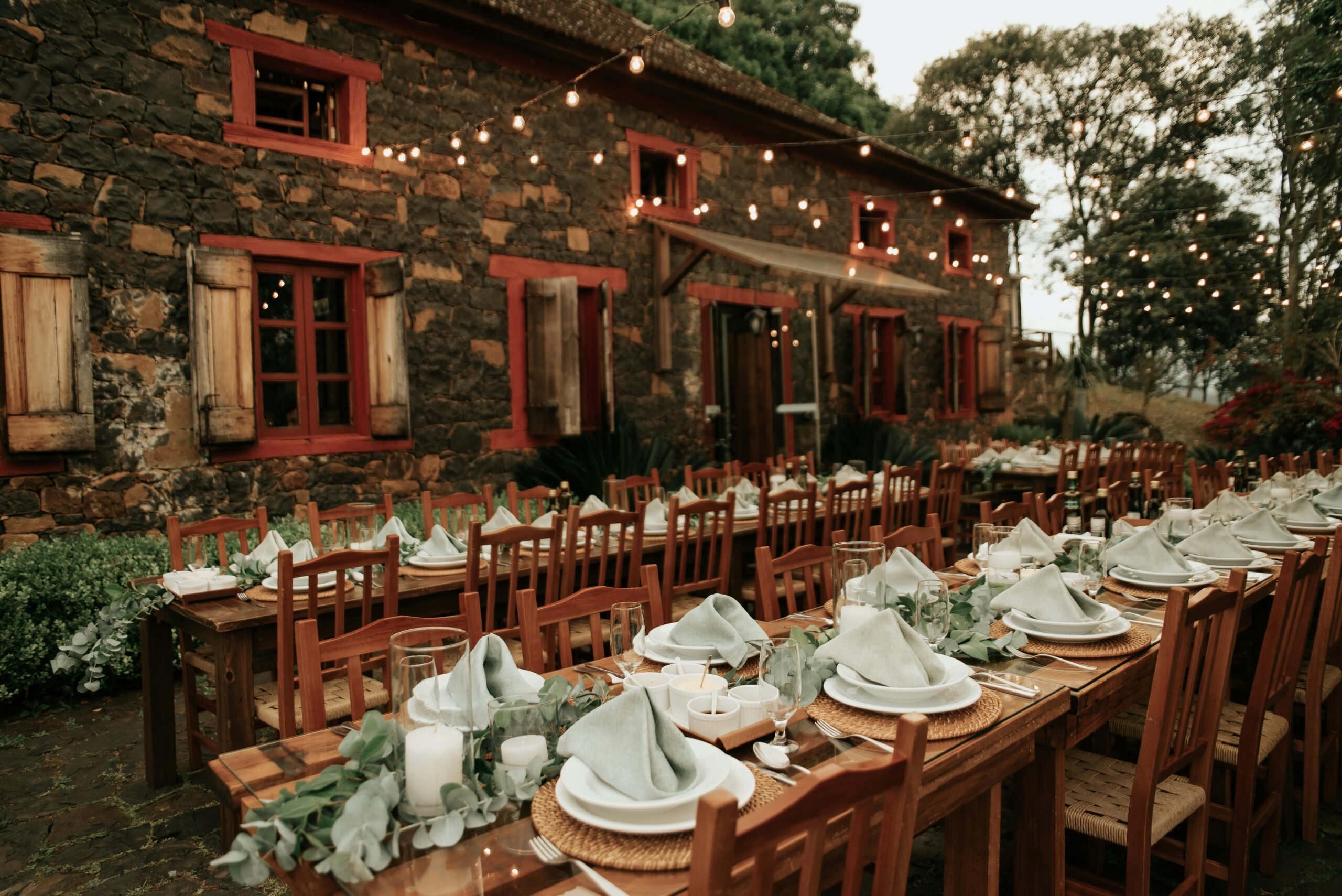


When planning the venue and layout for your wedding, there’s much more to it than simply making sure there’s enough space for the right number of tables.
Many couples feel anxious about that critical moment when dinner is over, the guests get up, and the party risks splitting into smaller groups in different rooms. The easiest way to sort out this sort of logistics is to keep the flow of guests in mind right from the choice of venue right through to the final seating plan.
The bar and the dance floor – the party’s inseparable duo
Experienced party organisers often talk about a golden rule for keeping the energy levels high: always place the bar and the dance floor in the same room. If guests have to leave the party venue and walk down long corridors to get a drink, they often end up staying there rather than returning to the music.
When the bar is directly adjacent to the dance floor – as when you’re planning a party venue – it creates a natural and lively flow that minimises the distances guests have to cover throughout the evening. Guests who want to chat over a drink can do so at the edge of the room, but they still have direct eye contact with the dance floor and can quickly be drawn in when a good song is playing. This simple approach prevents the party from fizzling out, keeps bar sales going and ensures the atmosphere remains cohesive.
Flexible layout without interrupting the programme
Another common concern relates to the space for the dance floor itself and how the transition from dinner to the party should take place. Do the tables need to be moved aside once your chosen meal has been served, or is there enough floor space from the start? Having to rearrange the furniture in the middle of the evening can sometimes disrupt the flow and create a drawn-out pause.
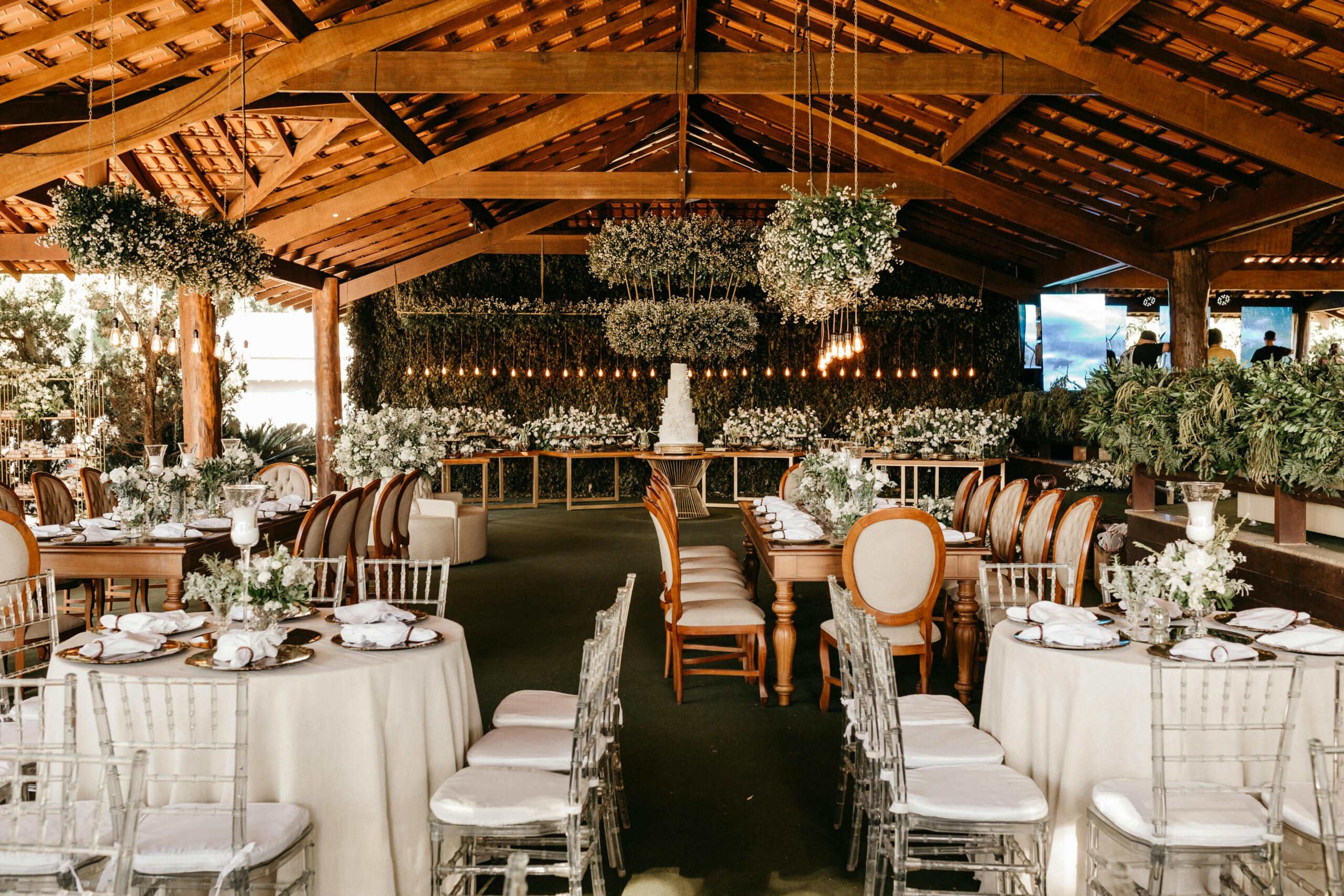
Established function venues often have well-thought-out layouts where the ballroom is large enough to accommodate both seated guests and a ready-to-use dance floor without any interruption. If the venue requires some rearrangement of furniture when you’re planning your event, make sure to discuss this with your caterers or the venue staff in advance. Professional teams can often move a few tables very discreetly whilst guests stretch their legs, have a coffee, visit the photo booth or head to the bar. In this way, a potential lull is transformed into a natural and enjoyable opportunity for mingling.
Create cohesive zones for different needs
A successful wedding reception accommodates different types of energy as the evening progresses. Some guests want to dance non-stop near the DJ or live band, whilst others prefer to sit down and chat at a slightly more leisurely pace. By creating clear yet interconnected zones in the reception venue, you can cater to everyone’s needs without splitting the party into different parts of the building.
When planning your venue in this way, feel free to place a few comfortable armchairs or a small lounge area a little way away from the speakers, but keep them within sight of the rest of the party. This ensures that even older guests, or those who simply want to take a short break, feel fully part of the community on the dance floor. Remember to dim the lighting in the lounge slightly to create a cosy atmosphere, whilst ensuring that sightlines remain unobstructed. Having a firm grasp of this kind of room dynamics and flow gives you great confidence that the party will stay cohesive and maintain its fantastic energy all night long.
Plan further with our Wedding Reception Guide
Once you’ve drawn up a clever layout for your wedding reception venue so that the ultimate flow of the space maximises the energy between dinner and dancing, you’ll need to keep an eye on the clock. How do the venue’s closing times actually work, and what hidden noise regulations might cut the DJ off in the middle of the night?
Related articles
-
 The Banquet Hall Guide
The venue of your dreams awaits: How to find the right reception venue for your big day
Once the excitement of the engagement has settled down and the planning gets underway, most couples soon find themselves in front of a screen, scrolling…
-
 The Banquet Hall Guide
Focus on the guests’ journey: Convenient transport and accommodation for the wedding reception
One of the most common reasons why couples hesitate to book certain wedding venues is concern about the location.
-
 The Banquet Hall Guide
The wedding bar and the law: Liquor licences, corkage fees and smart planning
Planning drinks, the bar and catering licences for a wedding often raises many practical questions regarding legislation, logistics and finances.
-
 The Banquet Hall Guide
Draw up a reliable budget: How to review a quote for your venue without any unexpected costs
Talking about finances whilst you’re in the middle of planning a big party might feel a bit unglamorous, but it’s by far the best way…
-
 The Banquet Hall Guide
When the party can carry on: How closing times and noise regulations work in the function room
The dance floor is packed, the bass is thumping and nobody wants to go home. But amidst all the festive cheer, there’s a common worry…