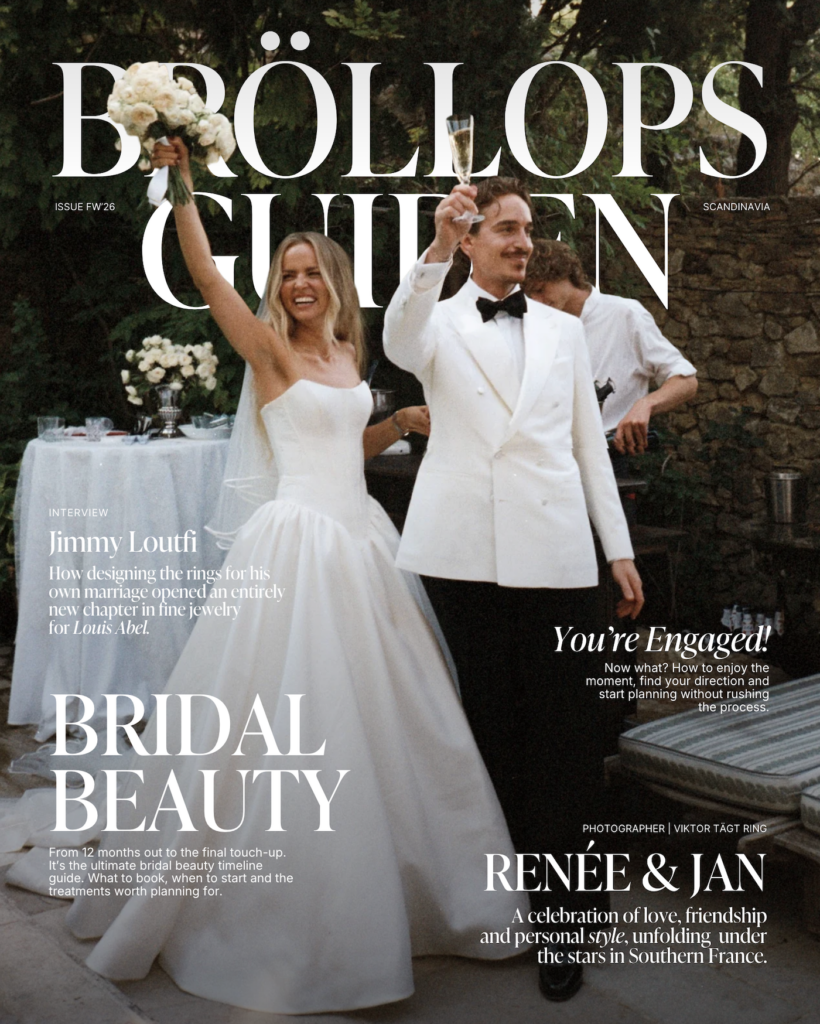
ISSUE FW’26
In our new FW’26 issue, we take you to the south of France and to Renée and Jan’s wedding, which was a celebration of love, friendship and style. We also sit down with Louis Abel founder Jimmy Loutfi for an in-depth interview about how his own wedding rings marked the start of a new chapter in fine jewellery, and look ahead to New York Bridal Fashion Week for the silhouettes, details and ideas that will set the tone for the coming season.
The Groom's Edit
Suit, Dinner Suit or Tailcoat – The Guide to the Right Dress Code
The four classic wedding style options
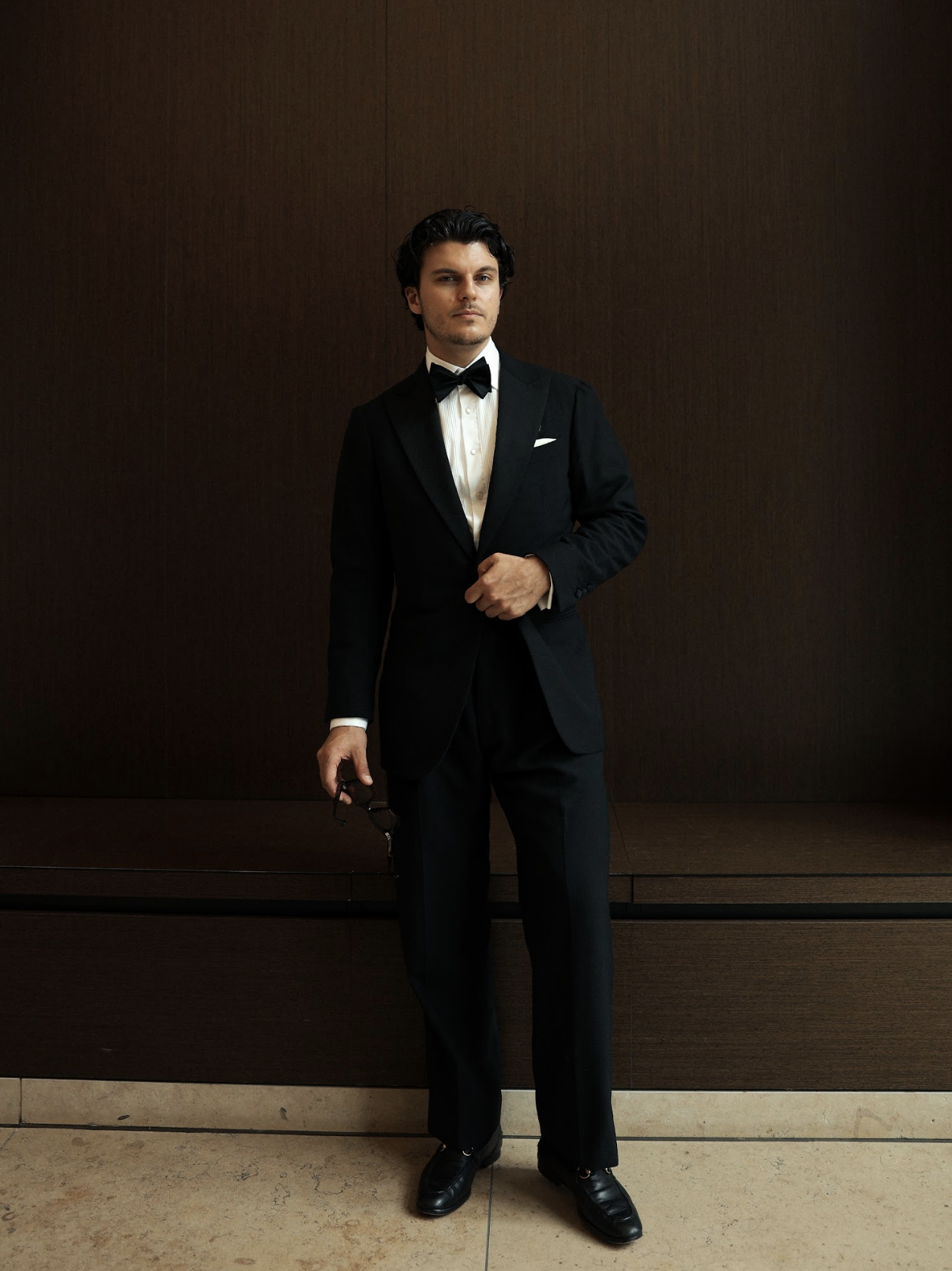


Choosing between a suit, dinner suit or tailcoat for a wedding can feel like navigating a maze of traditions, rules and fashion terminology. The groom’s outfit sets the tone for the whole wedding party and provides guidance for what guests should wear.
Making a stylish choice means understanding the differences between these outfits, how they fit with traditional etiquette and which occasions suit them best. Whether you are planning a formal banquet or a more relaxed celebration, this guide helps you choose between a suit, dinner suit or tailcoat for your wedding.
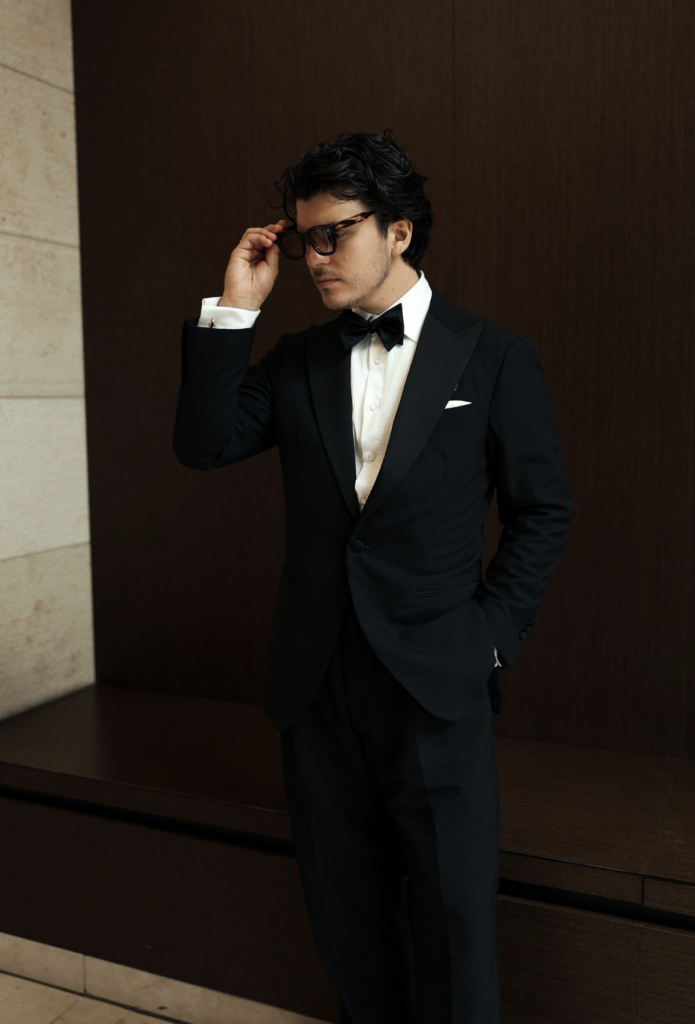
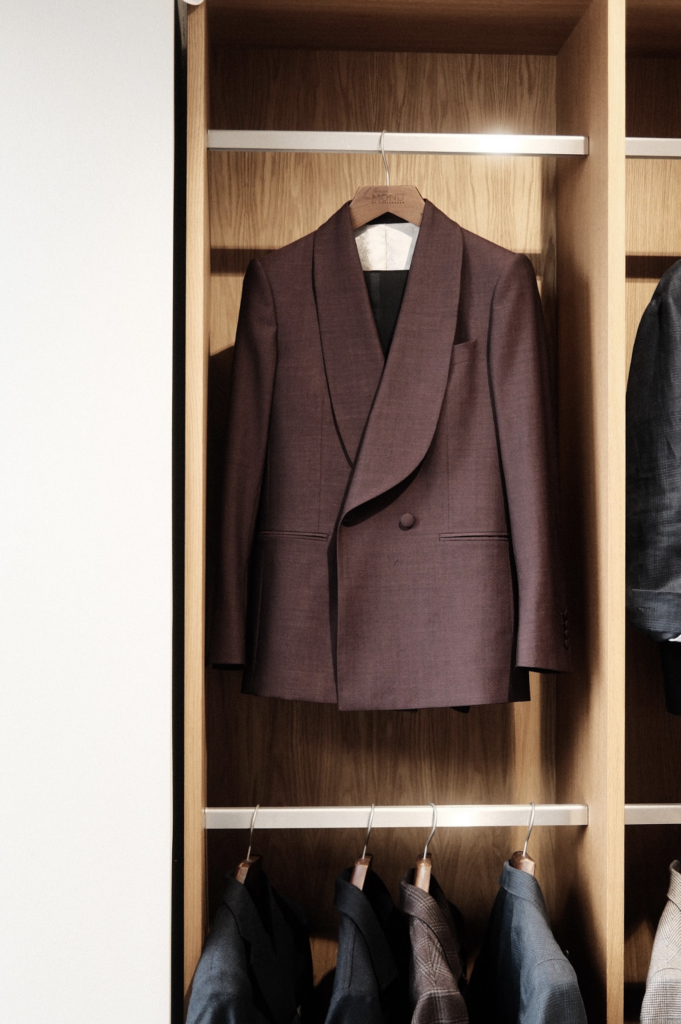
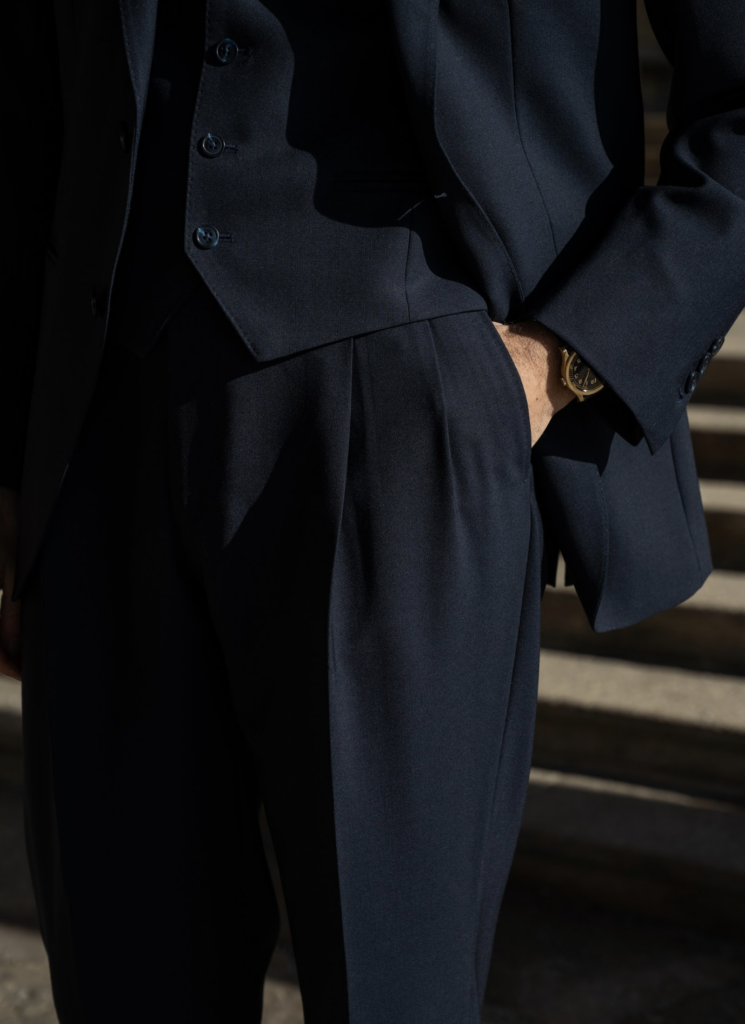
Four classic style choices for the groom. From the timeless suit to the traditional tailcoat, your choice of attire sets the tone for the groom’s look. Here we explore four classic options, their different levels of formality and the types of wedding they suit best.
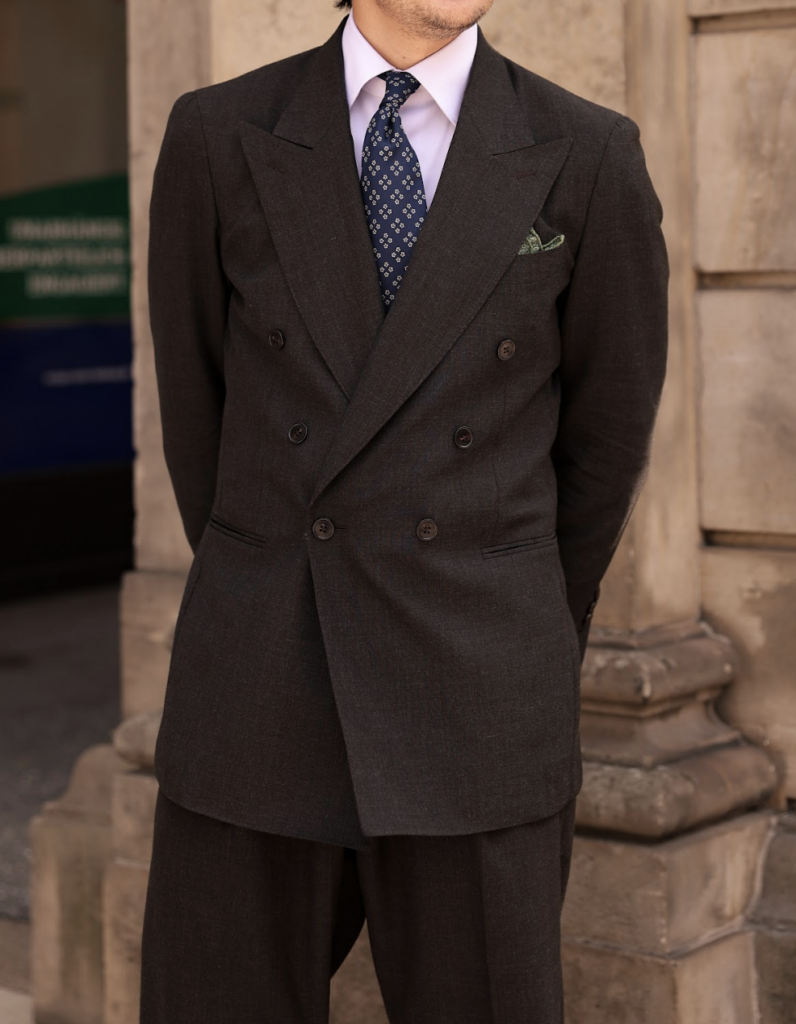
Dark suit – The Timeless Classic
A dark suit is a classic, versatile choice that suits most weddings, whatever the season. It looks smart without feeling overly formal and can easily be adapted to the style of the wedding. Pair it with a white shirt and choose a tie or bow tie in silk or linen, depending on the feel you want to create.
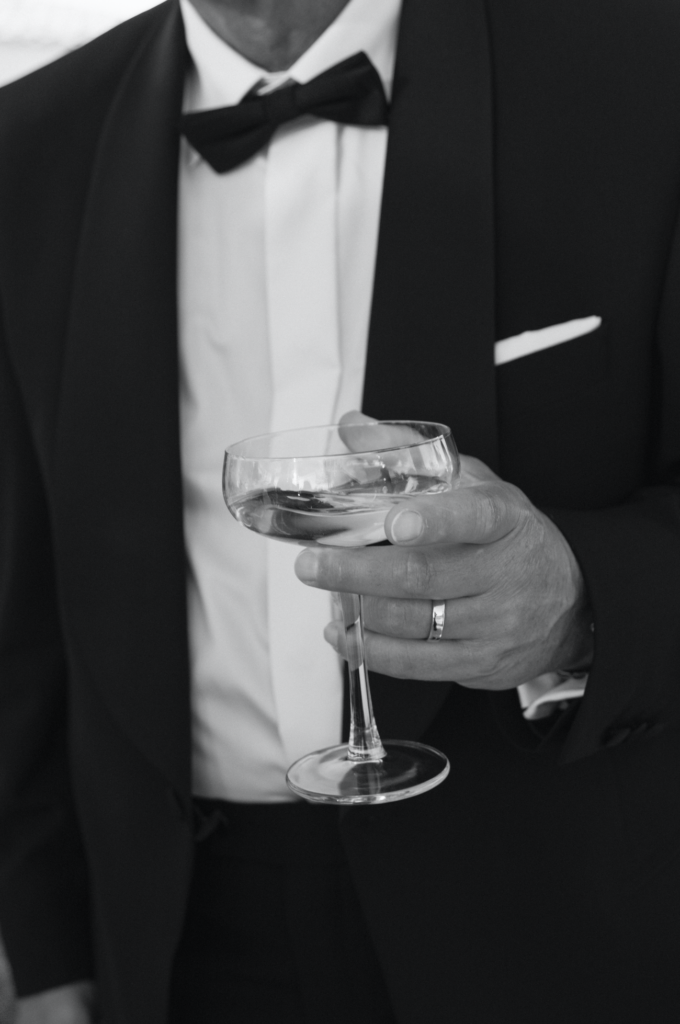
Dinner Suit – for an Elegant Evening Celebration
A dinner suit is a more formal option, traditionally associated with afternoon and evening weddings in banqueting venues or elegant city settings. It is worn with a dress shirt, a black bow tie and usually a cummerbund or waistcoat. A sophisticated choice for the groom who wants a classic, carefully considered evening look.
Tailcoat – The highest Level of Formality
The tailcoat represents the most formal dress code and traditionally belongs at grand evening occasions. It is worn with a special white tie dress shirt, a white waistcoat, a white bow tie and patent leather shoes. A natural choice for anyone planning a classic, traditional wedding in a particularly grand setting, such as a castle.
Morning Dress – For a Formal Daytime Wedding
Morning dress, also known as formal daywear, is an elegant option for formal weddings held during the day. Its defining feature is the cutaway coat, traditionally paired with striped trousers, a waistcoat and a tie or cravat. A stylish choice for exclusive daytime weddings, particularly when the ceremony takes place before 15:00.
Pros and Cons
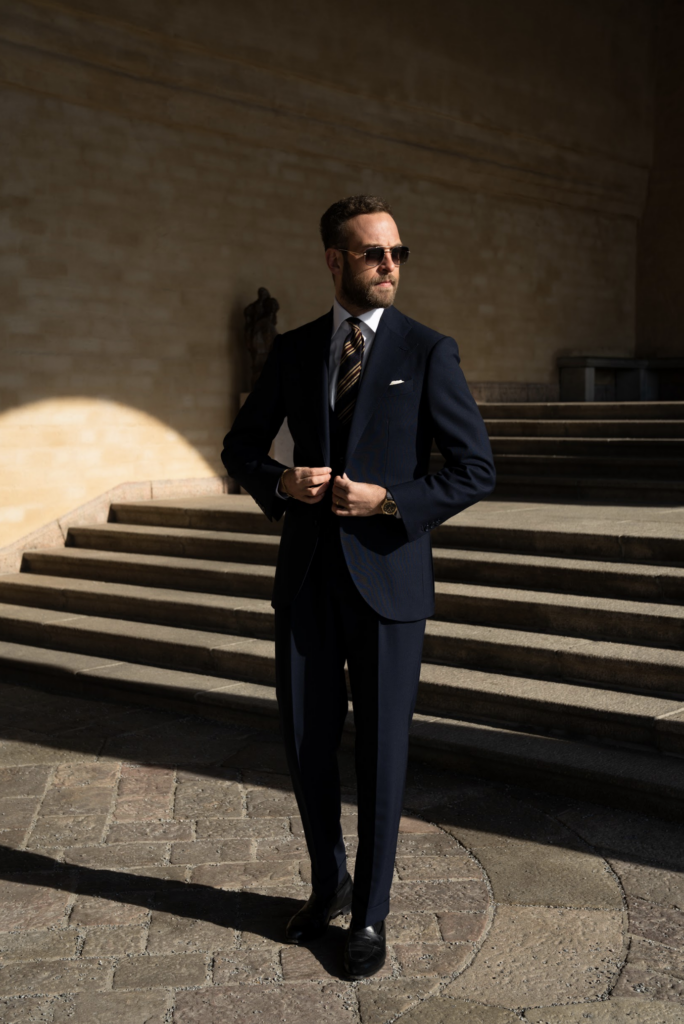
Dark suit – The most Versatile Choice
A dark suit, in navy, dark grey or black, is by far the most common and practical choice for wedding attire in Sweden.
- Pros: Easy to wear again for other occasions after the wedding day. Simple to personalise with a waistcoat and accessories to set the groom apart from the guests.
- Cons: May feel less “special” if you wear a suit to work every day.
Dinner Suit – Timeless for an Evening Celebration
The dinner suit is associated with classic glamour and a touch of Hollywood. Traditional etiquette dictates that it should only be worn after 17:00, but at modern weddings it is increasingly worn throughout the day.
- Pros: Creates an exceptionally elegant silhouette with its silk lapels and stripes down the sides of the trousers.
- Cons: Limited opportunities to wear it after the wedding. Requires specific pieces such as a dress shirt and bow tie.
Tailcoat and Morning Dress – Tradition and Craftsmanship
The tailcoat is the most formal attire in Western culture, while morning dress is its daytime equivalent.
- Pros: Creates an unrivalled sense of ceremony and grandeur in the right setting.
- Cons: Most people choose to hire outfits such as tailcoats or morning dress because they are rarely worn again, making particular care with fittings essential.
Timeline for Decisions
10–12 months before: Decide on the dress code for the whole wedding so that guests receive the information in their invitations.
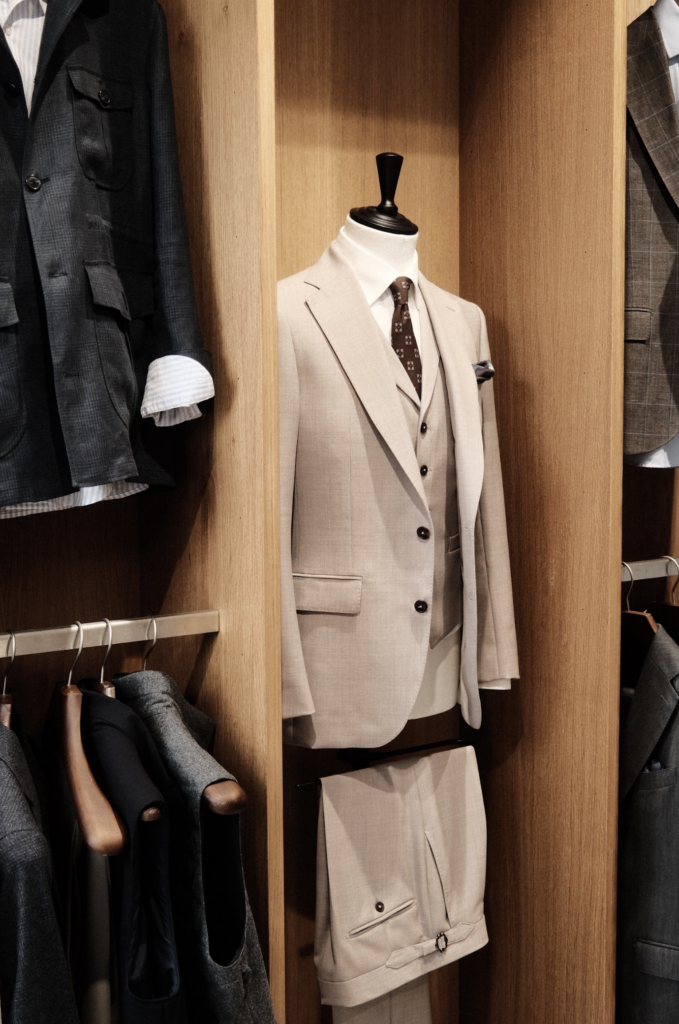
6–8 months before: Try on suits, dinner suits or tailcoats in a shop to see which silhouette you feel most comfortable in.
4–6 months before, if hiring a tailcoat or dinner suit: Book your hire outfit at the shop so that your size is reserved ahead of peak season.
2–3 weeks before: Have a final fitting at the shop to make sure the trouser length and waist fit perfectly.
Worth bearing in mind
If you choose a dinner suit or tailcoat for the groom, guests do not necessarily need to match that level of formality. Modern etiquette allows the groom to wear a dinner suit or tailcoat while the dress code for guests is given as “Dark suit”. This lets the groom stand out and feel unique on his big day.
Related articles
-
 The Groom's Edit
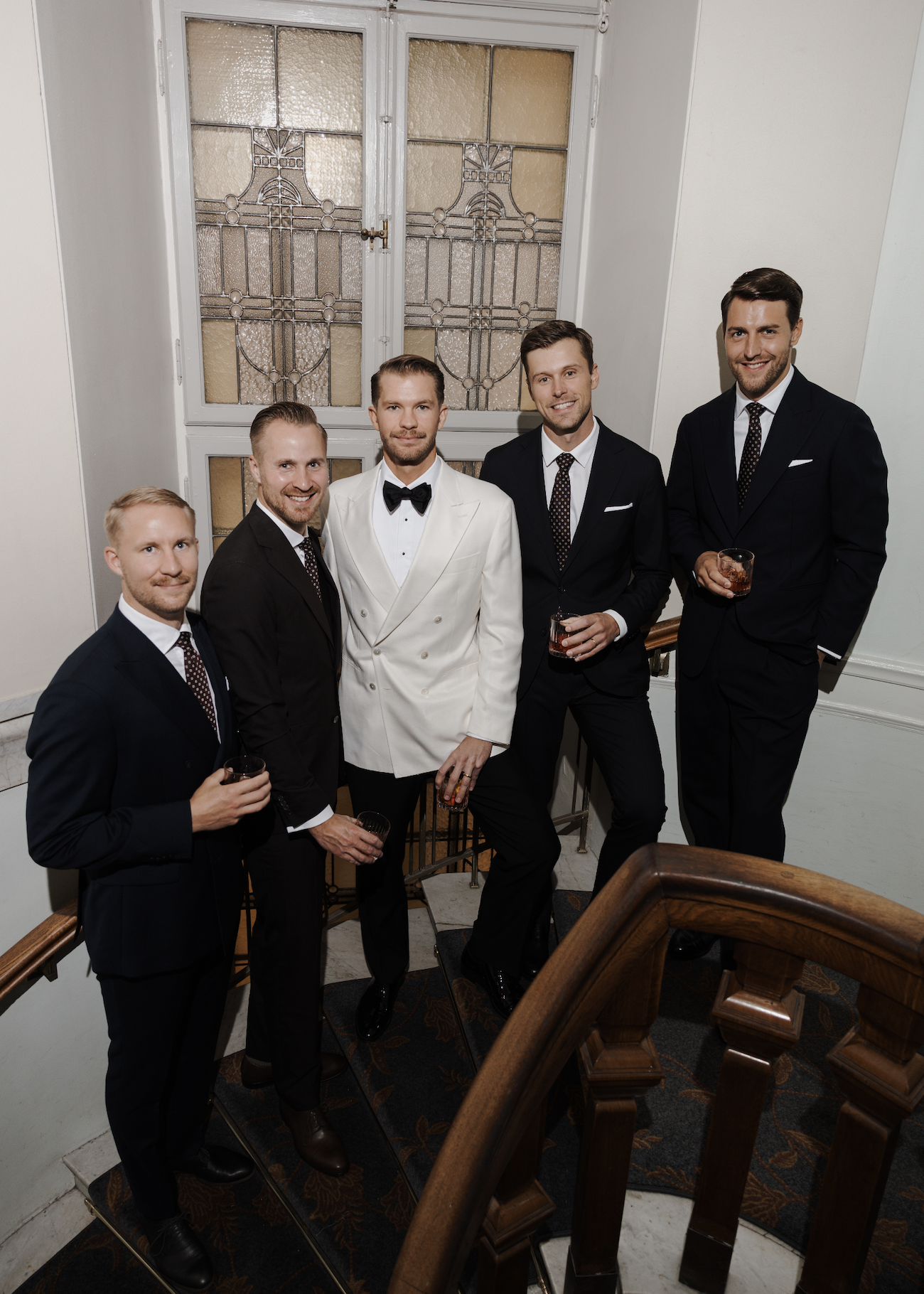
Coordinating Groomsmen and Best Man – The Guide to Cohesive Style
-
 The Groom's Edit
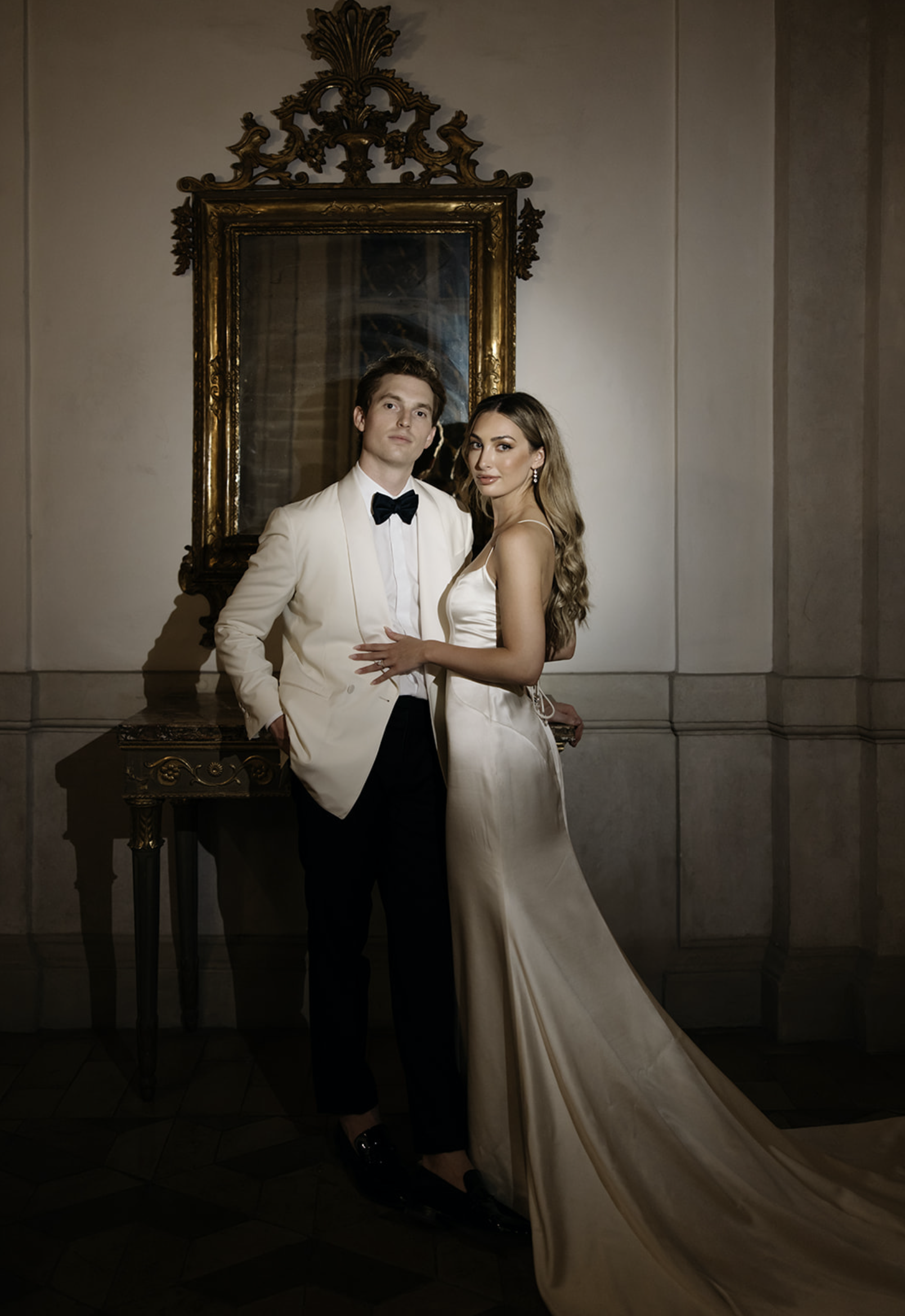
Wedding Attire for the Groom – Guide to Style and Theme
-
 The Groom's Edit
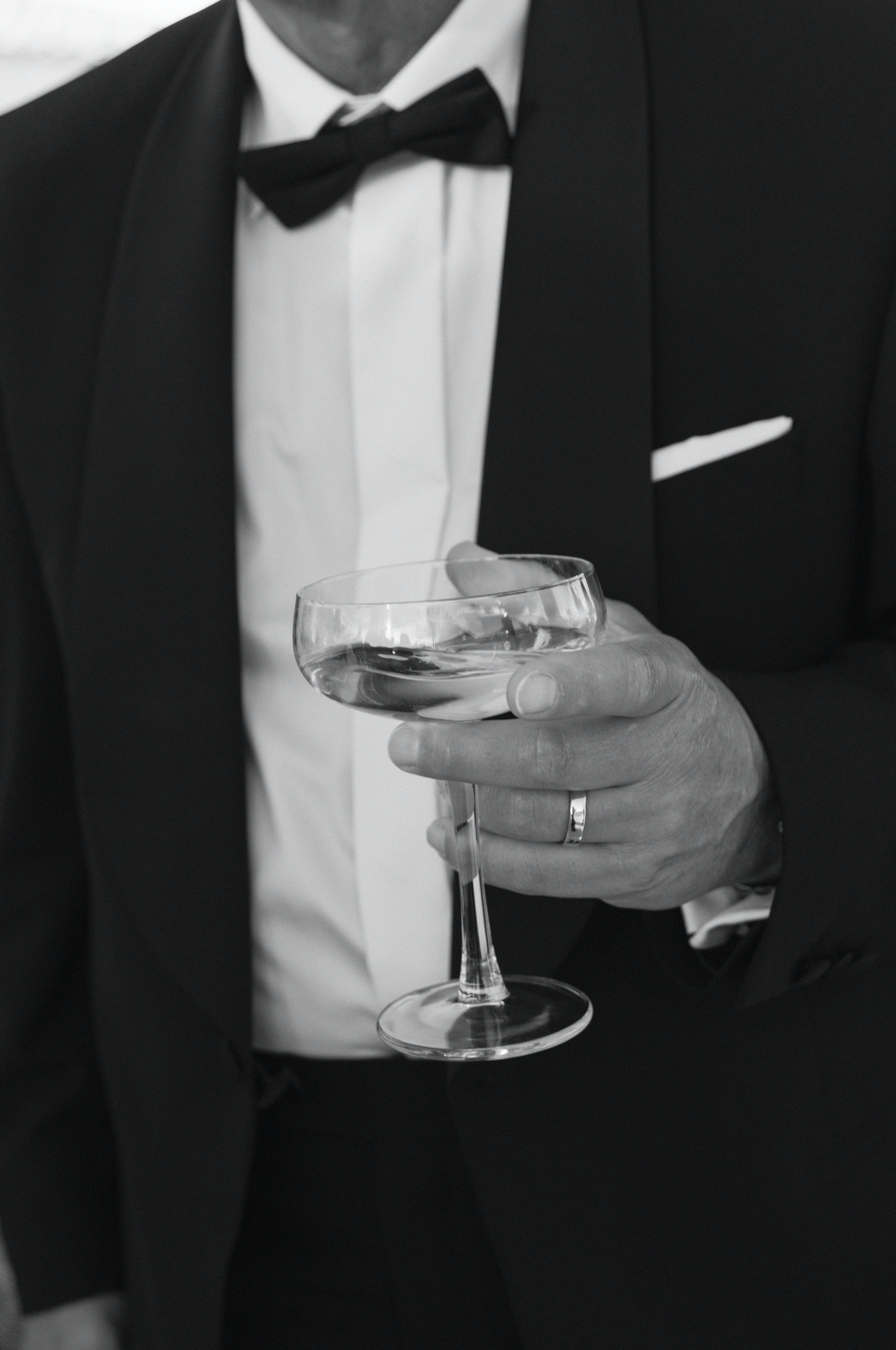
Hiring or Buying a Suit – Cost, Quality and Fit
-
 The Groom's Edit
Suit Accessories – Bow Ties, Ties and Shoes
-
 The Groom's Edit
Tailors and Made-to-Measure for Wedding Suits – Timeline and Fit Guide